
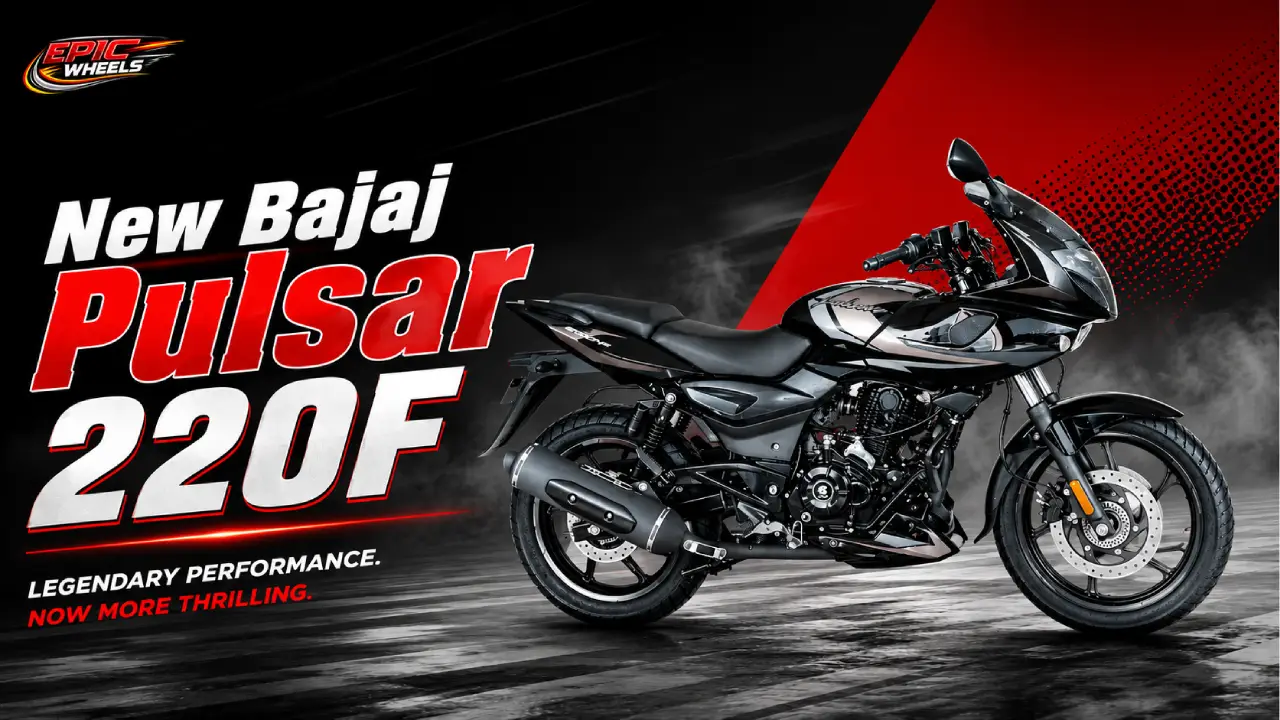
It makes no sense on paper. Bajaj has launched faster bike sharper handling bike and models with liquid cooling technique. Yet every single time they try to quiet down the Bajaj Pulsar 220F the buyers line up at dealership demanding it back. It is easily one of the most stubborn motorbike in Indian automotive history.
If you are looking at buy one today you probably fall into one of two camp. You either want this bike desperately when you were younger or you are tired of modern 150cc bike that feel like small plastic toy.
The honest truth is that the Bajaj Pulsar 220F is still a highly practical, comfortable, and fast sport bike. It isn’t perfect but it deliver a specific type of heavy, effortless highway performance that modern lightweight bike just can’t replicate at this price point.
What Did Bajaj Actually Change?
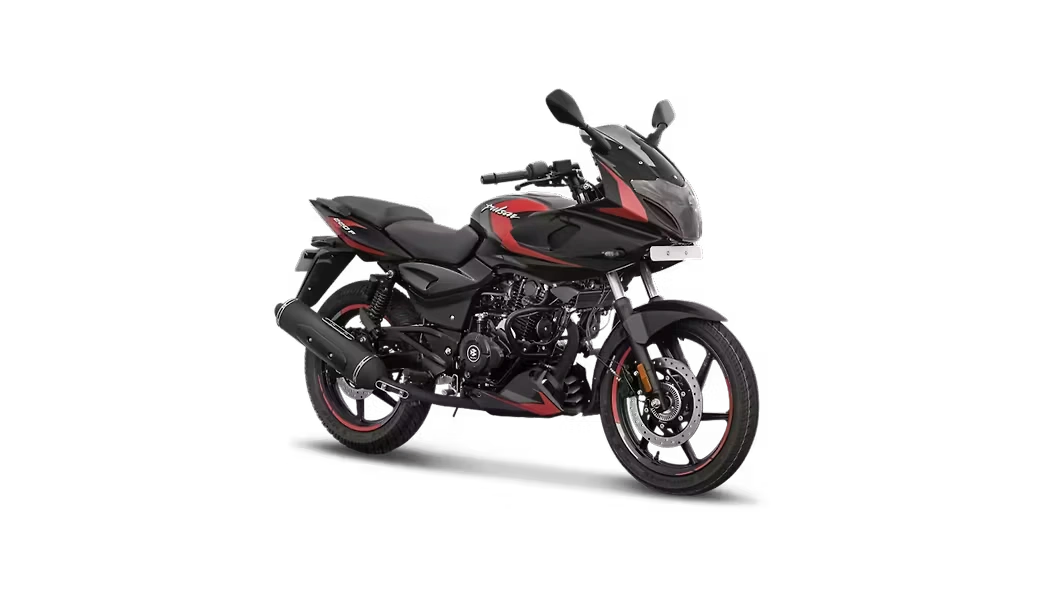
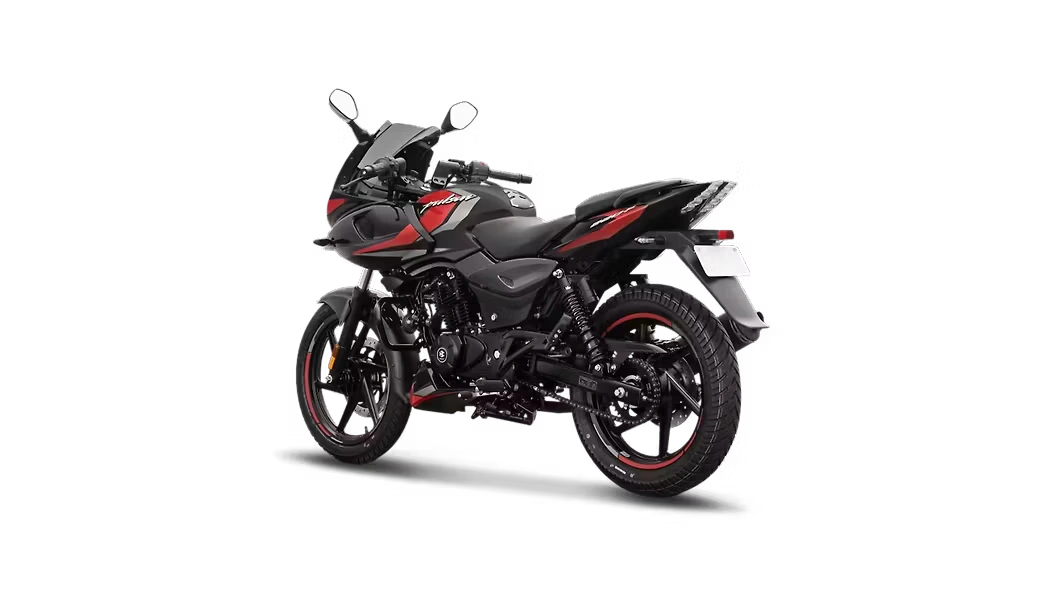
They didn’t touch the fairing or the body panels, which was a smart move. That massive front end is exactly why people love it. Instead, they finally threw out the ancient instrument console.
The classic analog needle is gone, replaced by a monochrome digital screen. It finally gets Bluetooth, which means you can see who is calling you or follow simple navigation arrows on the dash without mounting your phone to the handlebars. They also slapped on a USB charging port and upgraded the old yellow halogen projector to a much brighter, white LED projector setup.
The Numbers: Real Power and Energy
Mechanically it is the same old school 220cc oil cooled single cylinder motor with twin spark plug. It gives 20.4 PS of power at 8,500 rpm and 18.55 Nm of torque at 7,000 rpm. It gets a basic 5 speed gearbox and a single channel ABS system with disc brake on both wheels.
The bike weight is 160 kg. On the road, that weight actually helps. While lightweight 150cc bikes get blown around by crosswinds when a big semi-truck passes you on the highway, the 220F stays completely planted.
The way it delivers power is different from modern short-stroke engines. You don’t have to scream the engine out to get moving. The mid-range torque is thick. You can drop down to low speeds in a higher gear, twist your right wrist, and the bike just picks up and goes without any chain snatch or engine coughing.
Living With It: Real Mileage and Daily Comfort
Nobody buy a commuter just for look at it. You have to live with it in real world traffic.
If you ride like a responsible person you will easily get around 38 to 40 kmpl in city traffic. On open highway if you keep your speeds around 85 kmph, it easily stretch to 42 kmpl. Because the tank holds 15 liters of fuel you can easily ride over 550 kilometers before you even need to look for a petrol pump.
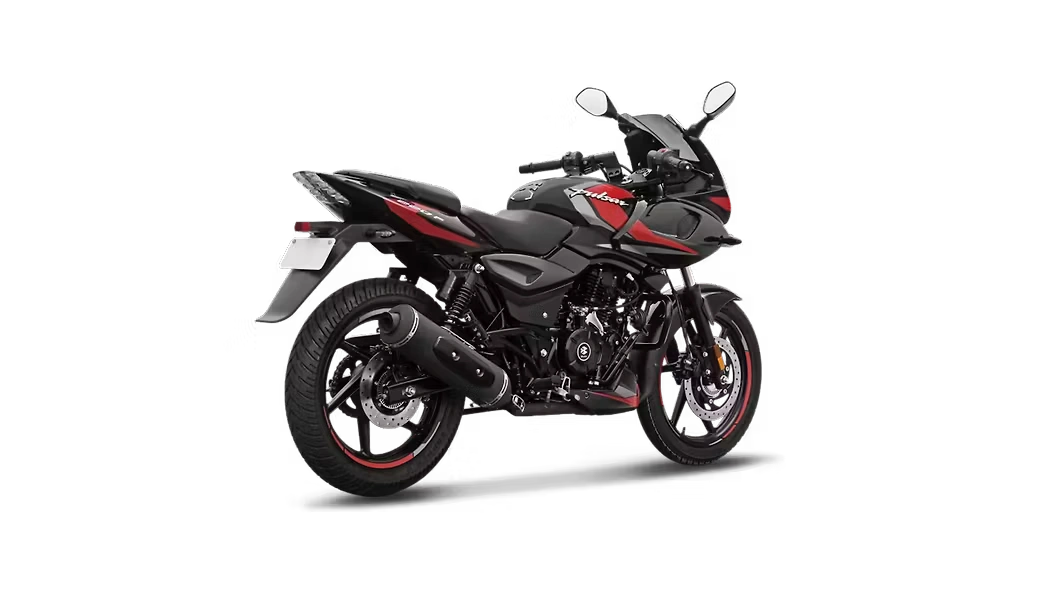
The riding posture is where this bike wins over modern alternatives. Most sport bikes force you into an aggressive head-down crouch that leaves your wrist sore after thirty minute of riding. The 220F uses raised clip-on handlebar. You sit slightly forward but it is mostly an upright relaxed position. The seat height is low at 795 mm, meaning almost anyone can plant both feet flat on the ground. Plus, the seats are wide and soft, so your pillion won’t complain on longer rides.
The Good and the Annoying
Let’s be completely fair about what sucks and what works on this machine.
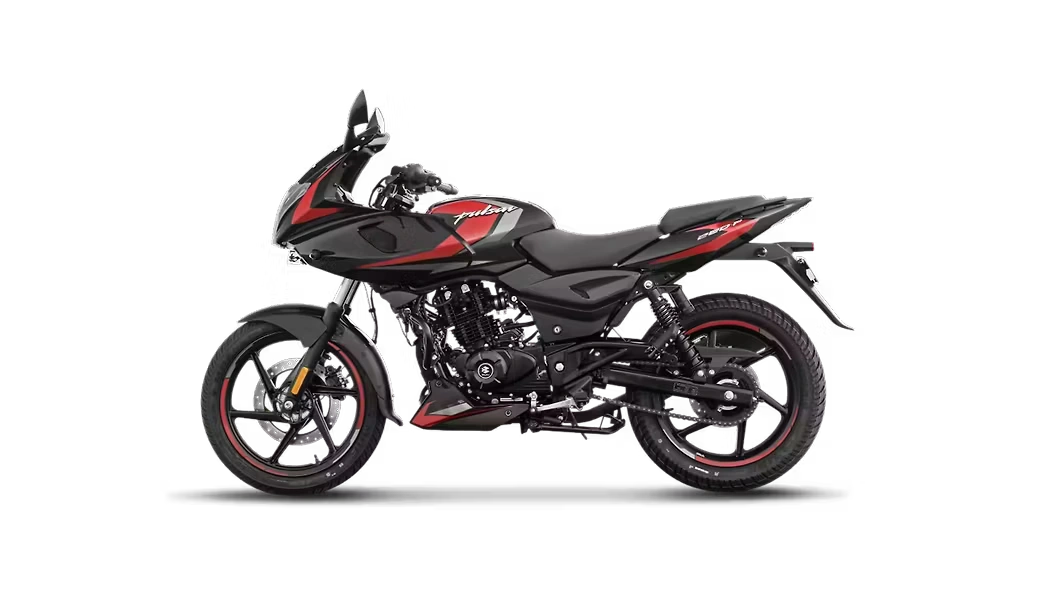
The new LED projector light is excellent. The old halogen was okay, but this new light cuts a clean, bright path through pitch-black roads. Maintenance is also dirt cheap. This engine design has been around for nearly twenty years. Any local mechanic can fix it, and parts are available at almost any corner spare-parts shop.
On the downside, the engine shows its age past 90 kmph. A distinct buzz creeps into the footpegs and handlebars if you push it hard. The biggest omission is a 6th gear. When you’re cruising on the highway, your left foot will constantly look for an extra gear to drop the engine revs down and smooth out the ride.
The Verdict
The Bajaj Pulsar 220F isn’t trying to compete with high-tech track machines. It’s a big, heavy, comfortable, and reliable street machine that costs around ₹1.36 Lakh ex-showroom. If you want something with great road presence, effortless highway manners, and low running costs, this old stallion is still a fantastic value.
Be the first to comment
Leave a Comment
Please log in as a subscriber to leave a comment.
Login to Comment