
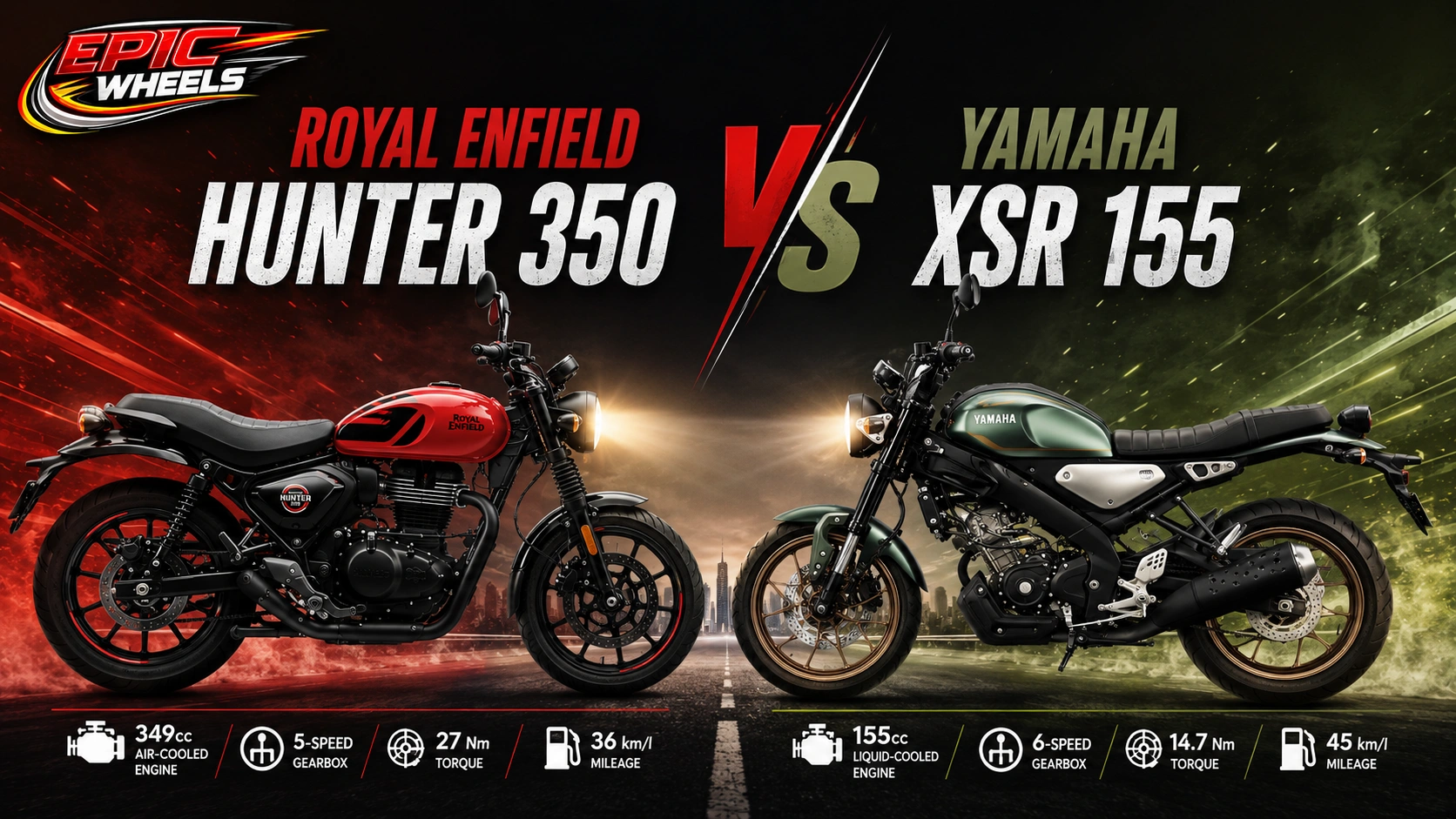
Go out on the road today and you’ll see everyone is obsessed with modern-retro bikes. You will see both everywhere on road but these two aren’t even the same thing. Which one is better for daily commuting for office and which one is for occasional long rides? It’s see a classic battle between two raw engine size and high-tech Japanese engineering. One gives you that proper heavy metal Enfield character while the other is all about sharp and aggressive performance.
I will suggest the Short answer, Go for the Royal Enfield Hunter 350 if you prefer a lazy, bass-heavy cruise and hate changing gear constantly in traffic. Grab the Yamaha XSR 155 if you want a feather light quick revving street machine that absolutely loves being thrown into corner.
Let’s cut right past the dealership talk and look at how they actually compare on local roads.
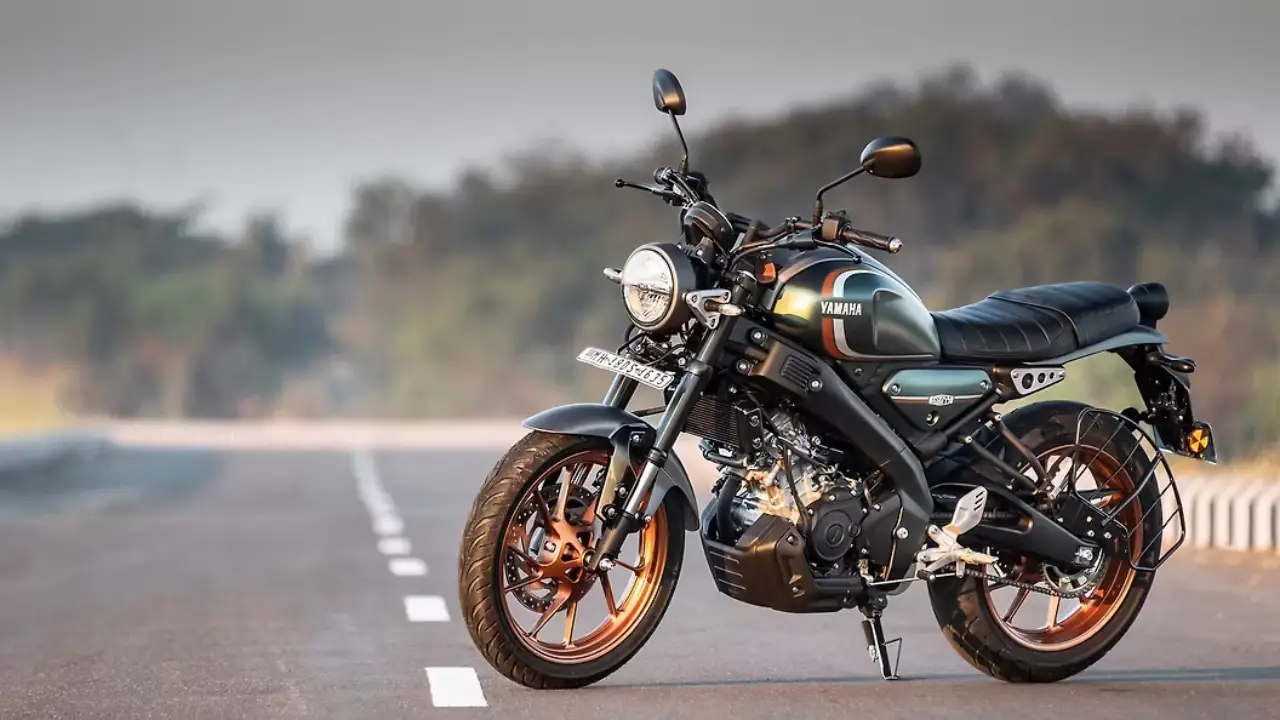
Quick verdict — which to choose (royal enfield hunter 350 vs yamaha xsr 155)
If your daily route involves crawling through horrible gridlock, the Hunter 350 makes life easy because it pulls smoothly right from idle. But let’s be honest, overall, yeh bike heavy hai. If you want a ride that feels alive, comes packed with premium modern parts, and handles beautifully when pushed, the Yamaha XSR 155 simply dances around the Hunter. The XSR is basically a street-naked sportbike playing dress-up, whereas the Hunter is an old-school roadster modified to survive the city.
Key specs at a glance
Look what you are actually holding between your knees instead of reading a boring on paper specifications:
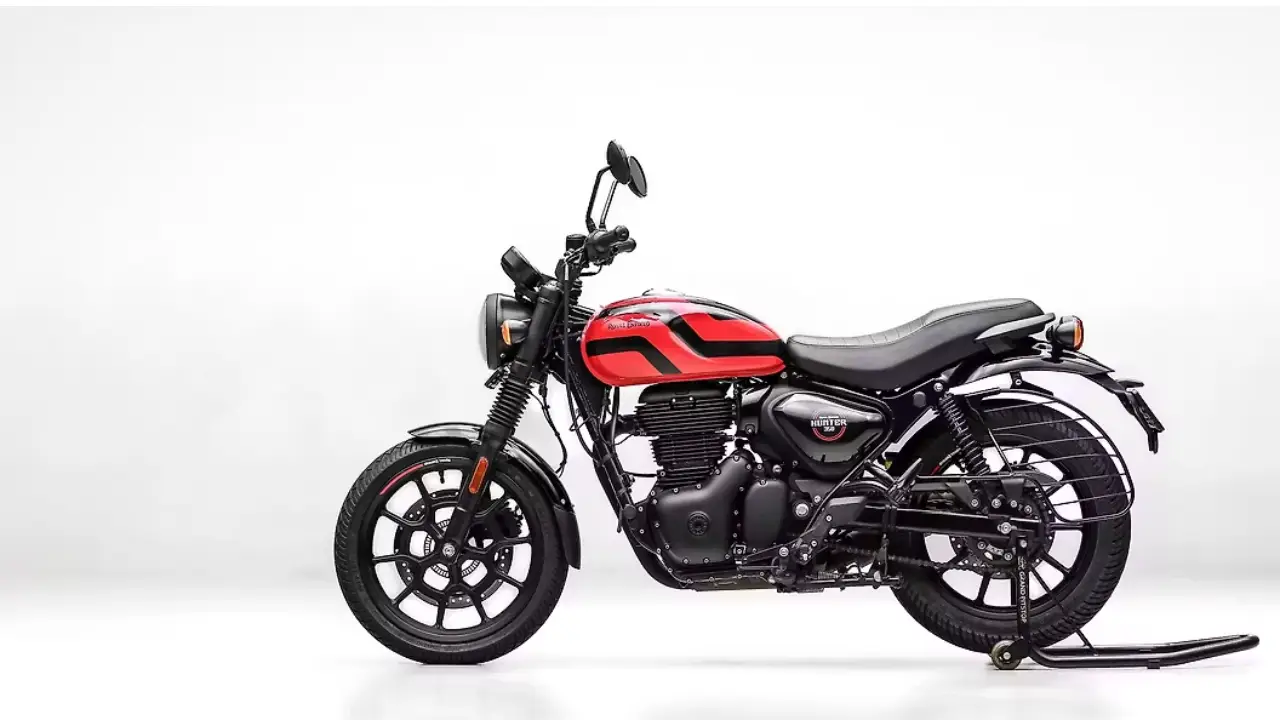
Lets talk about Hunter 350 setup
When You ride on a chunky bike with 349cc single-cylinder motor that puts out 20.2 bhp and 27 Nm torque with moving a hefty 181 kg frame.
Lets see what XSR 155 setup is.
This one run a tiny but highly tuned 155cc liquid cooled block making 18.4 bhp and 14.2 Nm torque which carrying a feather-light weight of just 137 kg.
The Big Difference between The Enfield engine is literally more than double the physical size of the Yamaha motor. Because the reason is behind is that Japanese motor is engineered to rev like an absolute maniac all the way up to 10,000 rpm. It end up pushing out the exact same horse power on the open tarmacadam.
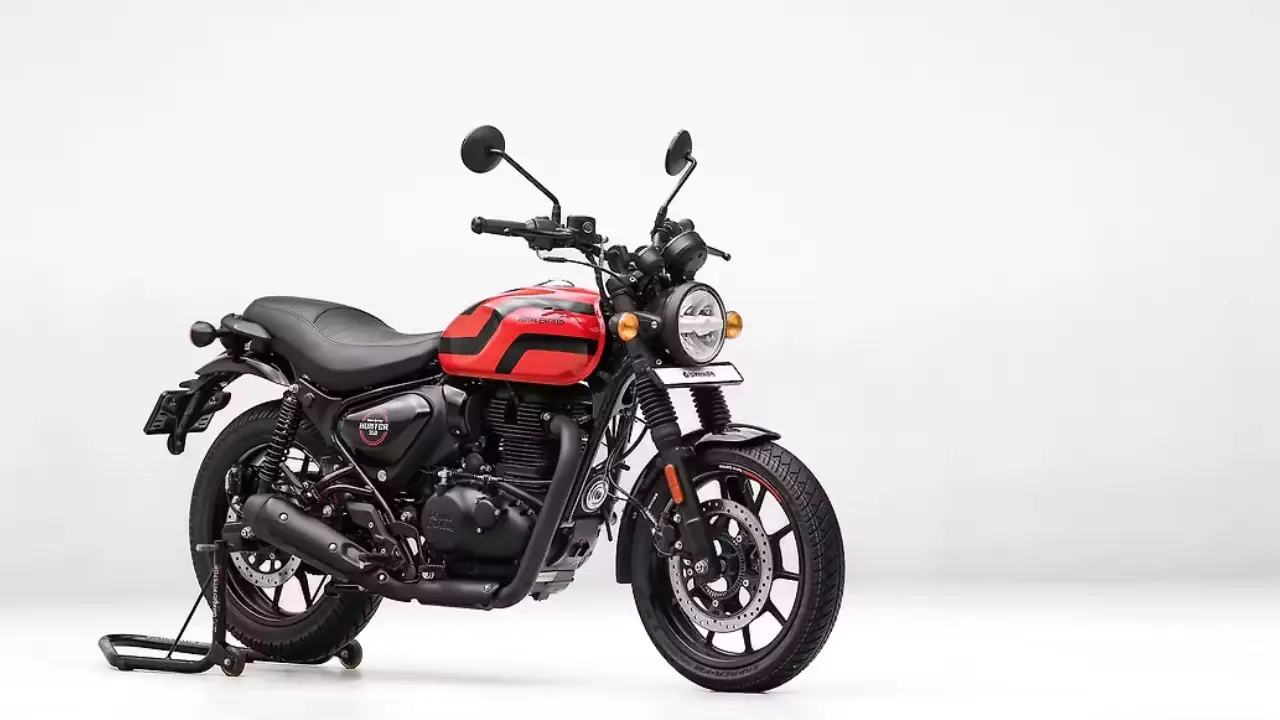
Lets discuss about the feel of Ride & handling Royal enfield hunter 350 vs yamaha xsr 155.
That 44 kg gap between these two machines completely rewrites how you tackle everyday Indian traffic. The reason behind is XSR 155 borrows entire skeleton from Yamaha’s track-bred R15 platform. The whole bike feel incredibly light on it’s feet. You don’t even have to plan your lines you can just flick it through narrow gaps between autos or dodge a sudden, ugly crater on the road without breaking a sweat. The Hunter 350 behaves like a typical heavy cruiser—it sits super steady and glued to the tarmac when you’re cruising on a straight highway bypass, but it demands proper physical effort and arm muscle from the rider whenever you try to make quick, aggressive cuts through a jam-packed market lane.
Forget the generic numbers the roadside puncture shops guess at. If you want the tires to actually bite, set the Hunter to 29 psi front and 32 psi rear. For the XSR, go with 29 psi front and 33 psi rear. These pressures stop the front end from feeling squishy, heavy, or from washing out when you push the bike hard into a fast turn.
Engine, performance & mileage
The performance delivery here is totally opposite. When you’re on the Hunter, the whole experience is about using that low-rpm grunt. You can casually leave the bike slotted into third gear at an absolute crawl of 25 km/h, twist the throttle open, and the motor will just pull you forward with a clean, deep surge without any ugly engine knocking, chain slapping, or sputtering.
The XSR 155 expects a completely different, aggressive riding style. If you keep it low down below 6,000 rpm it honestly feel quite plain just like a standard sleepy 150cc commuter bike. But the absolute second you cross that 7,000 rpm mark and the Variable Valve Actuation clicks open the entire engine note scream to life the valve timing change and the bike lunge forward like an absolute rocket.
If you care about monthly fuel costs, the XSR wins hands down. It gives an incredible mileage of 45–48 kmpl even when ridden hard. The heavy Hunter 350 is much thirstier, giving you around 35–37 kmpl in real-world city conditions.
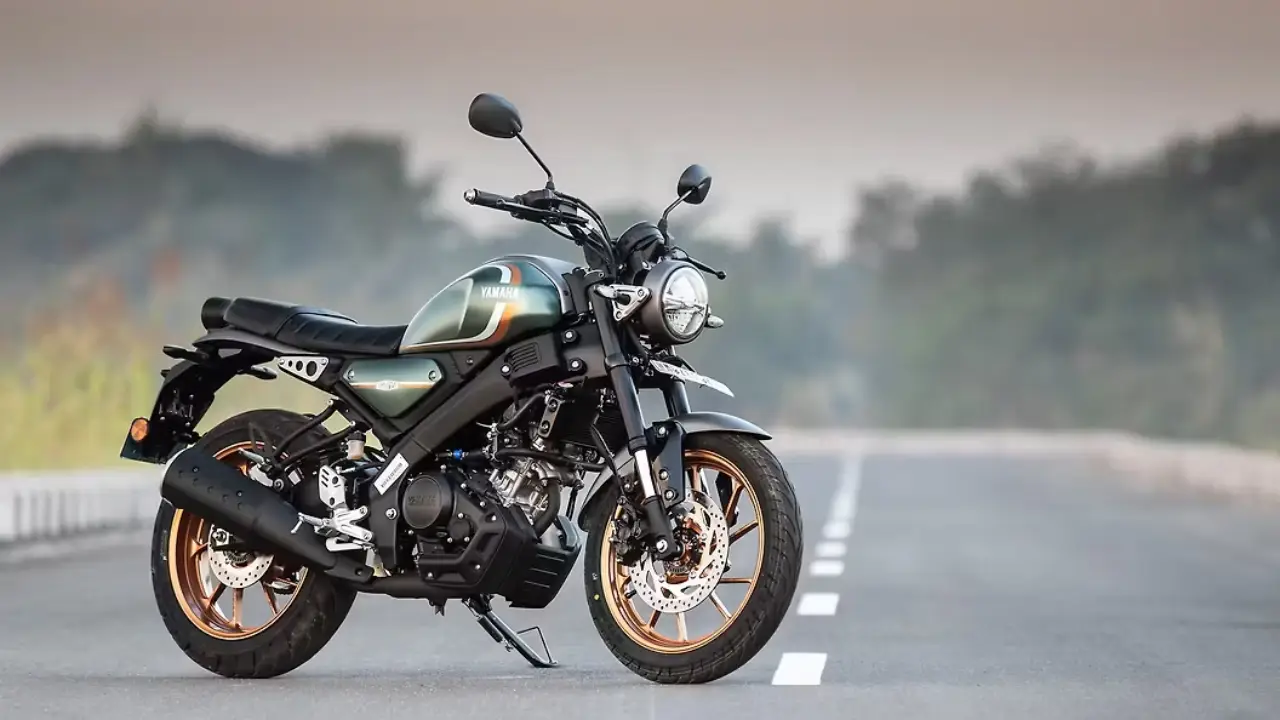
Comfort, ergonomics & long-ride suitability
Let’s talk about the worst part of the Hunter: that rear suspension. It is incredibly stiff. I felt the seat got uncomfortable after 45 km because every tiny expansion joint or sharp pothole transfers the impact directly into your tailbone. Having a low 790mm saddle means almost any rider can easily plant both feet flat on the ground at a red light. However, spending a full 6-hour day trying to tour on this bike means the harsh rear shocks will leave your lower back feeling absolutely battered by the time you reach your destination.
The XSR 155 features a much taller 810mm seat, meaning shorter riders will find themselves tiptoeing at traffic lights. However, its rear monocross absorbs broken tarmac far better. For long ride comfort, the Hunter keeps your upper body relaxed and upright but punishes you over bumps. The XSR pulls you into a slight forward lean—great for highway windblast, but your wrists will feel the strain if you get stuck in moving traffic for too long.
Cost, maintenance & resale
The Hunter 350 comes in at a lower initial price point, making it highly accessible for most buyers. Royal Enfield spares are cheap and you can find a mechanic who knows how to fix an RE bike in any corner of India. That said, the regular maintenance cost adds up because it requires more frequent oil top-ups and check-ups.
Yamaha’s incredible engine smoothness means you almost never visit the workshop for mechanical failures. You pay more money upfront for the XSR’s tech and liquid cooling, but it saves you service headaches later. When it comes to resale value, Royal Enfields hold their price like gold in India. However, the Yamaha 155cc engine has a massive cult following among college students, so selling a used XSR is just as easy.
Chain Care Tip: Both bikes lose power and fuel efficiency if the chain is bone dry. Clean and spray lube on your drive chain every 500 km. A dry chain can easily drop your mileage by 2-3 kmpl.
Pros and cons
The Royal Enfield Roadster
The Good Stuff: You get that lovely deep exhaust thump that sound fantastic ton of easy going low end torque for crawling through market and a very stable chassis on the highway.
The Bad Stuff: The stiff clutch action will tire out your left hand in heavy office traffic, and the wooden rear shocks feel incredibly rough over speed breakers.
The Yamaha Neo-Retro
The Good Stuff: The motor stays exceptionally smooth even at high highway speeds, you get fantastic real-world fuel economy, and those premium USD front forks handle beautifully.
The Bad Stuff: The tall 810mm saddle makes it tricky for shorter folks to balance, and the tiny 10-litre fuel tank forces you to make way too many petrol pump stops on long rides.
Final takeaway
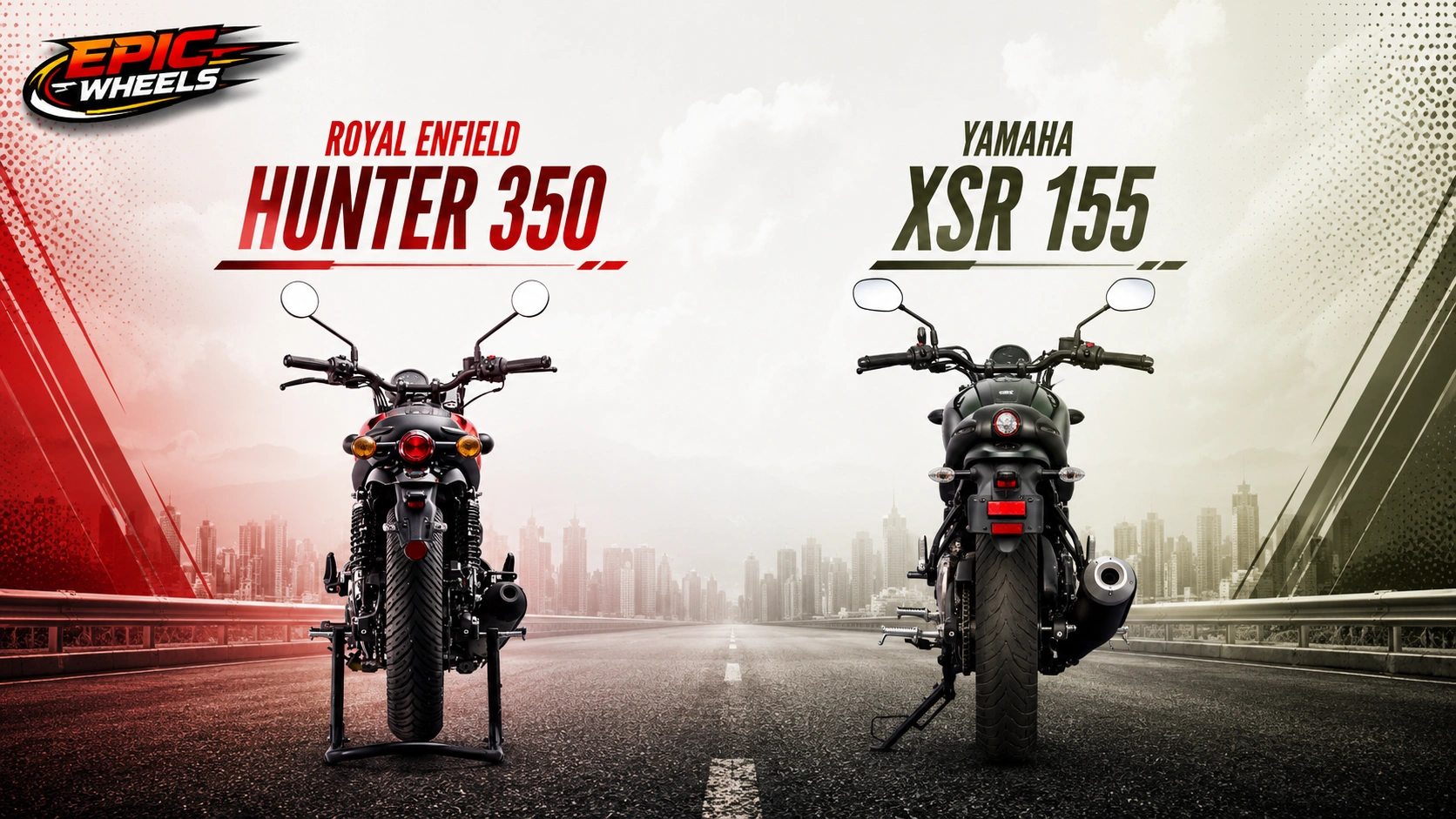
When you actually strip away the vintage bodywork, these are two totally different worlds built for two different types of riders. If you want a simple, heavy-metal classic roadster that looks great, makes the right noises, and lets you slide through daily city commutes without constantly dancing on the gear pedal, the Hunter 350 is a very easy choice to make. But if you want advanced modern engineering, razor-sharp cornering dynamics, and a high-revving engine that loves a good thrashing on open roads, save up the extra cash and buy the Yamaha XSR 155.
Be the first to comment
Leave a Comment
Please log in as a subscriber to leave a comment.
Login to Comment