
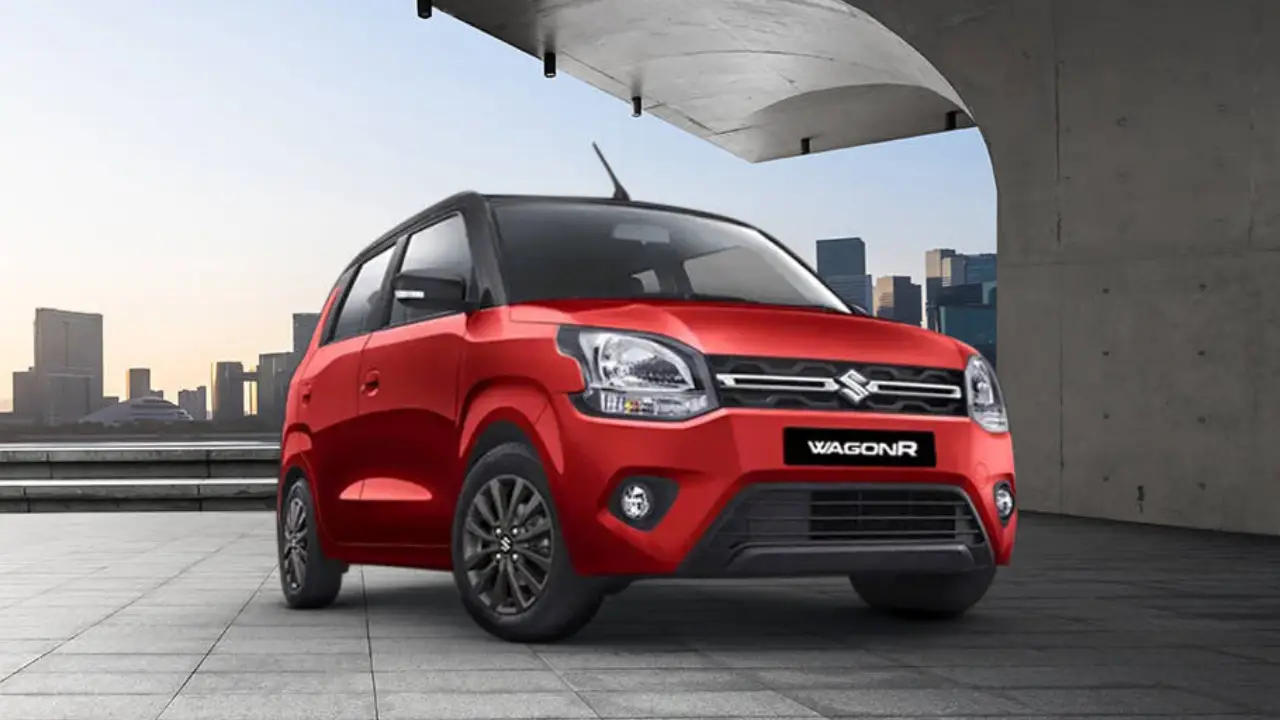
If you look out in the market you will probably see a Maruti Suzuki Wagon R driving past. It is everywhere. It’s the default choice for middle-class families, cab drivers, and people who just want a cheap point-A-to-point-B commuter.
But let’s face it—it looks like a literal toaster on wheels. It’s boxy, it’s awkwardly tall, and it won’t get you any compliments at a valet parking lot.
So why does it sell tens of thousands of units every single month? Simple. Because it’s probably the most practical budget car ever made for Indian roads. If you’re trying to stretch your hard-earned money and need a car that just works without causing you a financial headache, the Wagon R is hard to ignore.
Let’s look at what you actually get, without the corporate marketing fluff.
The “Tall-Boy” Reality: Why the Space Actually Works
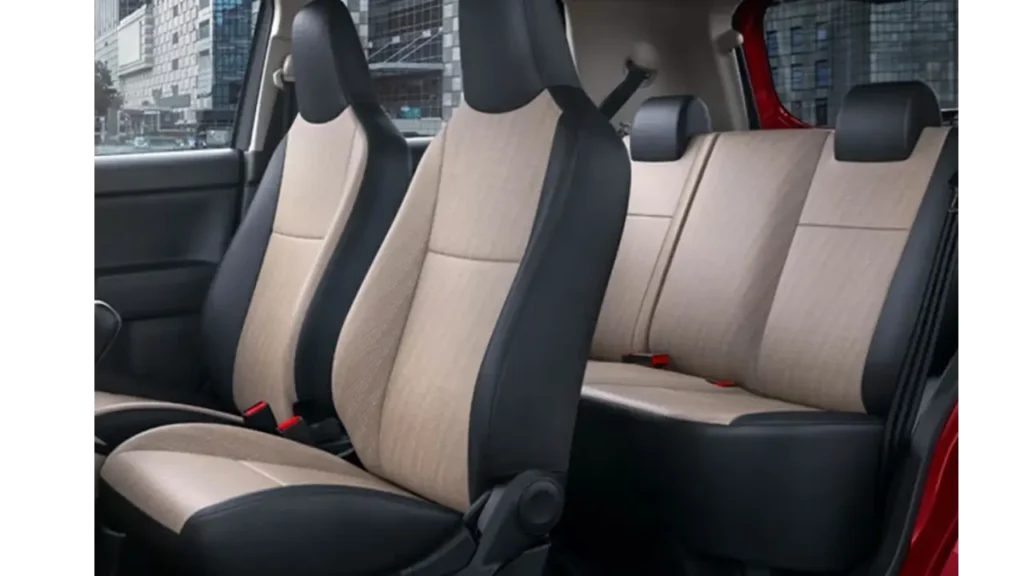
Most cheap hatchbacks make you feel like you are sitting on the floor. If you have bad knees or an elderly parent, climbing into them is a pain.
The Wagon R fixes this purely by accident of its ugly design. The doors open wide, and the roof is high. You don’t climb into a Wagon R; you basically just walk into it.
Once you’re inside, the headroom is insane. You could wear a top hat while driving and still not touch the ceiling. The legroom in the back is may surprise you. Plus the 341-litre boot in the petrol version is huge—it easily swallow airport bag that would choke other small cars.
Let’s talk about difference: The 1.0L vs 1.2L Engine Mess
Maruti sells this car with two entirely different petrol setup. If you blindly pick the wrong one without checking you are going to hate your daily commute.
The 1.0-Litre (The Budget Choice)
This is a 3 engine cylinder. It makes around 65 horsepower. It’s built for saving money only. If your day involves nothing but dragging your feet through heavy city gridlock, this tiny option gets the job done. But let’s be real—three-cylinder engines are naturally unbalanced, so you will feel a constant, annoying rattle through the steering wheel whenever you’re sitting at a red light. If you need a CNG car to keep your fuel bill low, Maruti forces you to take specific motor anyway.
Is the 1.2L Version Worth the Extra Cash?
This bigger choice gives you a proper four-cylinder layout pushing close to 89 horsepower. Look, do yourself a massive favor and find a way to pay the extra cash for this one. It feels like a completely different car. It sits quiet at traffic signals, handles high speeds smoothly, and doesn’t gasp for air or lose its breath when you try to pass a truck on a flyover with a full car and the air conditioning working on blast.
The New Bioflex Thing
Maruti has also been showing off a “Bioflex” version of the 1.2-litre engine. Basically, it’s built to run on fuel that has up to 85% ethanol mixed into it. It’s a cool eco-friendly move for the future, but for everyday buyers right now, the regular petrol and CNG variants are what you’ll find at the dealership.
Let’s Talk Mileage (Because Obviously)
Let’s face it, nobody buys a Maruti expecting neck-snapping acceleration. We buy them to keep our wallets heavy when filling up at the pump. The real-world efficiency you get from this boxy machine is honestly mind-blowing:
1.0L Petrol: Realistically gets you around 19–21 kmpl in the city if you drive normally.
1.2L Petrol: Surprisingly close to the smaller engine, giving around 18–20 kmpl because the engine doesn’t have to work as hard.
CNG Variant: Easily gives you 28–30 km per kg in daily traffic. It’s dirt cheap to run.
If you absolutely loathe dealing with a heavy clutch in mind-numbing rush hour traffic, take a serious look at their AGS automatic setup. Sure, it has that classic, jerky AMT pause when it hunts for the next gear, but your left leg will absolutely thank you on the way home from work.
The Bad Stuff: Where Maruti Cut Corners
Let’s cut through the bias. This car has some very obvious flaws, and it’s definitely not a perfect machine.
First, the highway manners are mediocre. The combination of an upright, tall profile and a feather-light body structure creates a massive sail effect. The moment you hit triple-digit speeds and a speeding luxury Volvo bus roars past you, the entire car sways to the side, which can feel incredibly scary.
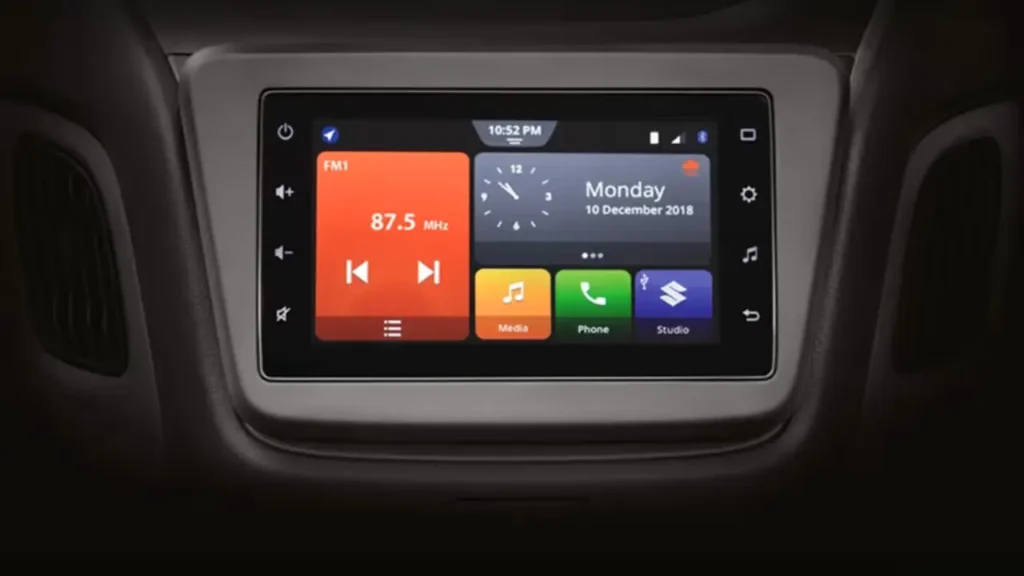
Second, the sheet metal feels thin. To maximize fuel efficiency, Maruti built this car on their ultra-lightweight architecture. The direct tradeoff is that the doors feel paper-thin, and you’ll miss that reassuring, heavy German “thud” when slamming them shut. It gets basic legally required safety items like dual airbags and ABS, but let’s be real—this thing is built for low-speed city gridlock, not high-speed interstate touring.
The Hard Truth
Forget about this car if you want a fancy status symbol to impress the neighbors or a plush interior loaded with premium materials.
But if all you want is a reliable, basic machine that starts instantly every morning, costs absolute pocket change to fix, carries your family without complaints, and gets you a massive chunk of your money back when you sell it years later—you honestly cannot beat this ugly little workhorse.

Be the first to comment
Leave a Comment
Please log in as a subscriber to leave a comment.
Login to Comment