Let’s be honest for a second. If you step into a car dealership today, the sales reps will try their absolute hardest to clear out current stock. They’ll throw in corporate discounts, free accessories, and zero-down-payment schemes.
But here’s the problem: if you sign that loan agreement this month, you might end up feeling serious buyer’s remorse by the time the festival season rolls around.
The Indian market is right on the edge of a massive product refresh cycle. Every major brand—from Tata and Renault to Kia and Volkswagen—is readying a new wave of crossovers and 4x4s. Whether you’re hunting for a high-range EV or just want a rugged petrol workhorse that doesn’t feel like a tin can, picking the right upcoming suv in india comes down to timing.
If your current ride can stretch another six to eight months without giving up the ghost, hold onto your cash. Here is what’s actually cooking behind the scenes.
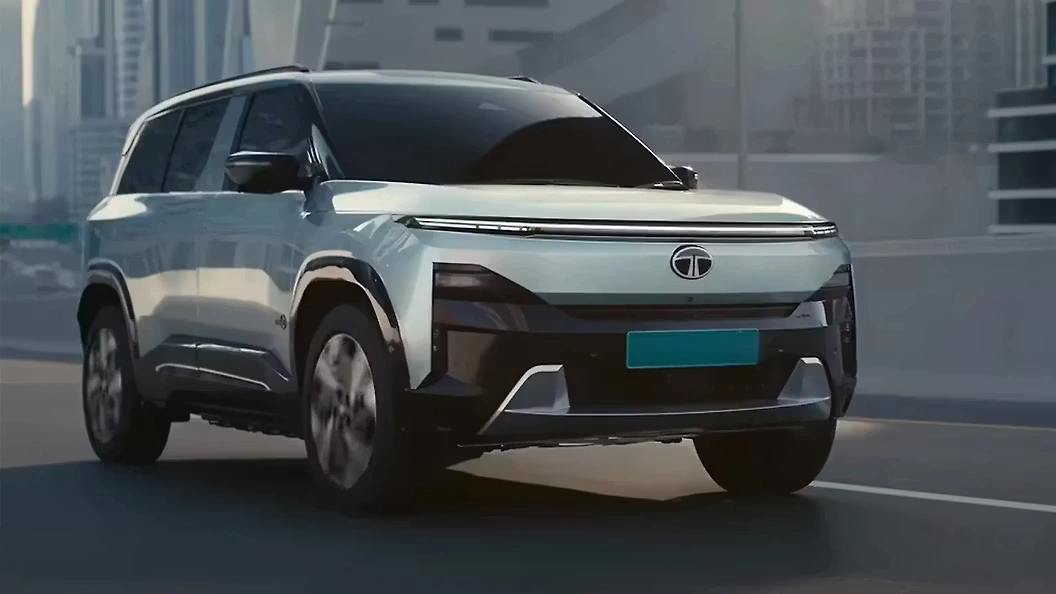
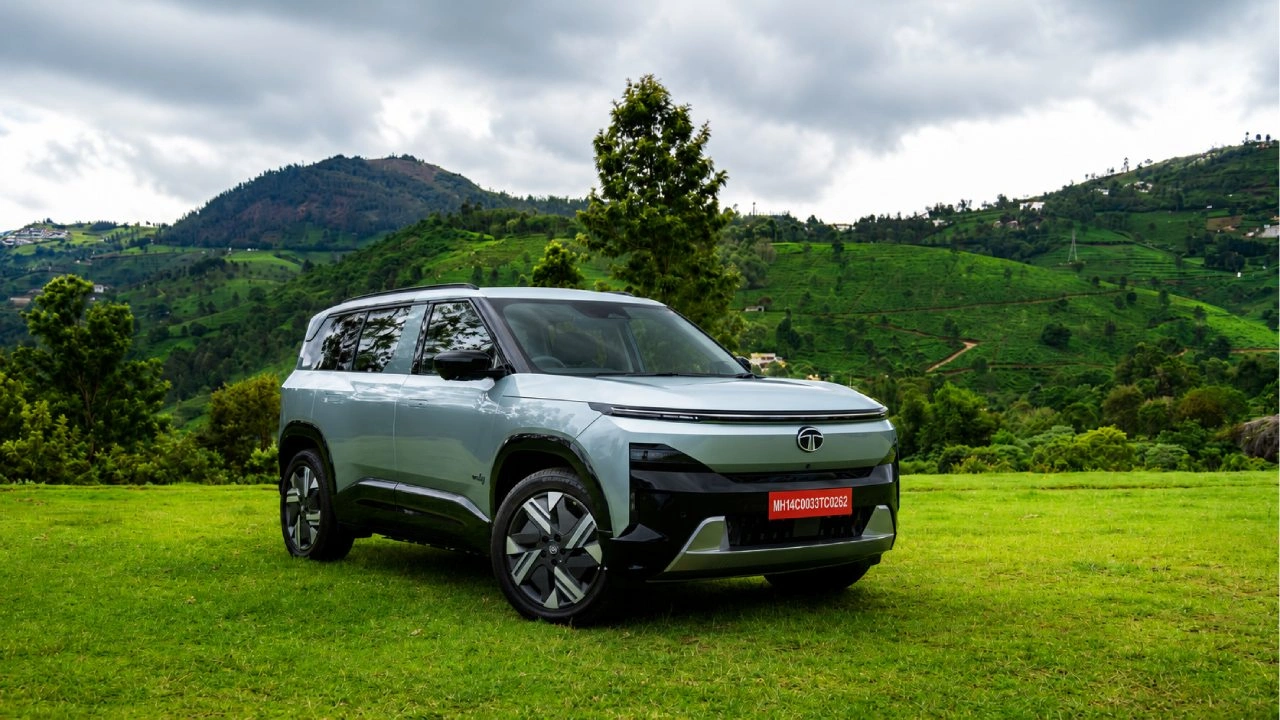
1. Tata Sierra EV: Nostalgia, but Make It High Voltage
If you grew up in 90s India, you already know what the original Sierra meant. It was bold, it looked like nothing else on the road, and that massive rear alpine window was pure flex back in the day.
Tata is finally bringing it back, but don’t expect a noisy diesel under the hood. The new Sierra is coming out strictly as a high-end EV.
When to expect it Late 2026
What you’ll likely pay: Anywhere between ₹20 Lakh and ₹25 Lakh
The mechanical stuff: Tata is fitting this with a hefty 65 to 75 kWh battery pack. That should translate to around 200–210 bhp and a realistic, real-world range hovering near 450 to 500 km on a single charge. Dual motor all wheel drive is also on the card.
It sit right above the Curvv EV in their line up. If you want something spacious, distinct, and fast off the line, this is easily the most anticipated electric launcher this year.
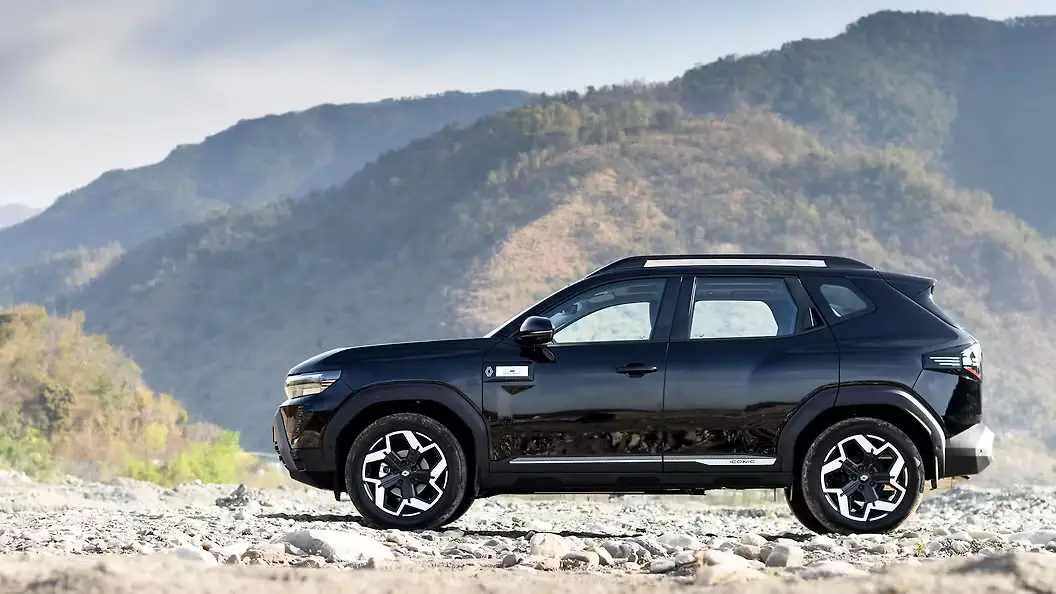
2. All-New Renault Duster: The Original King Tries to Take Its Crown Back
Remember when the original Duster dominated our roads? It could fly over moon-sized potholes at 80 km/h without breaking a sweat. Then Renault let it age without giving it a proper generation update, and Creta wiped the floor with it.
Well Renault isn’t back down. The new gen Duster look killer sharp angle Y-shape head light and proper ground clearance.
When to expect it: Late 2026
What you’ll likely pay: Roughly ₹10 Lakh to ₹18 Lakh
The mechanical stuff: It drops the old diesel entirely. Instead expect a punchy 1.3 litre turbo petrol motor kick out 156 bhp and 250 Nm of torque. They are also test a strong hybrid setup that could easily deliver 20+ kmpl in bumper to bumper city traffic.
For people living in cities with terrible roads, the Duster’s suspension alone will make it worth waiting for.
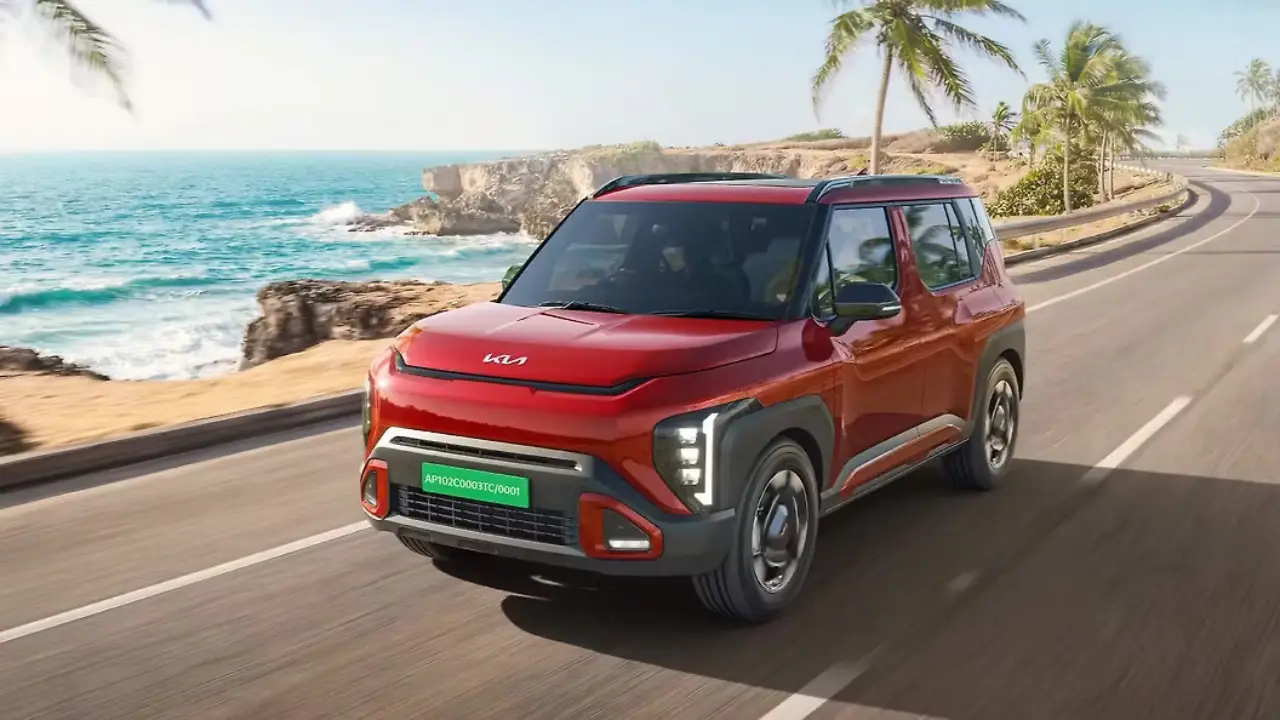
3. Kia Syros EV: A High-Tech Box on Wheels
Kia’s strategy in India is simple: throw every feature imaginable into the car and make it look straight out of a sci-fi movie. The Syros EV continue that tradition sit right in the middle of their compact line up.
When to expect it Late 2026
What you’ll like pay Around ₹14 Lakh to ₹20 Lakh
The mechanical stuff It’s slated to carry a 51.4 kWh pack with roughly 138 bhp and 255 Nm of torque. Expect around 400 km of actual drive range on highway run.
One cool thing Kia is adding here is Vehicle-to-Load (V2L) tech. Basically, your car becomes a giant power bank. You can run coffee machine charge laptop or power camping gear directly from the car’s charge port.
If you want to dive deeper into how these new launche stack up against existing car check out detail garage review over at Epic Wheels.
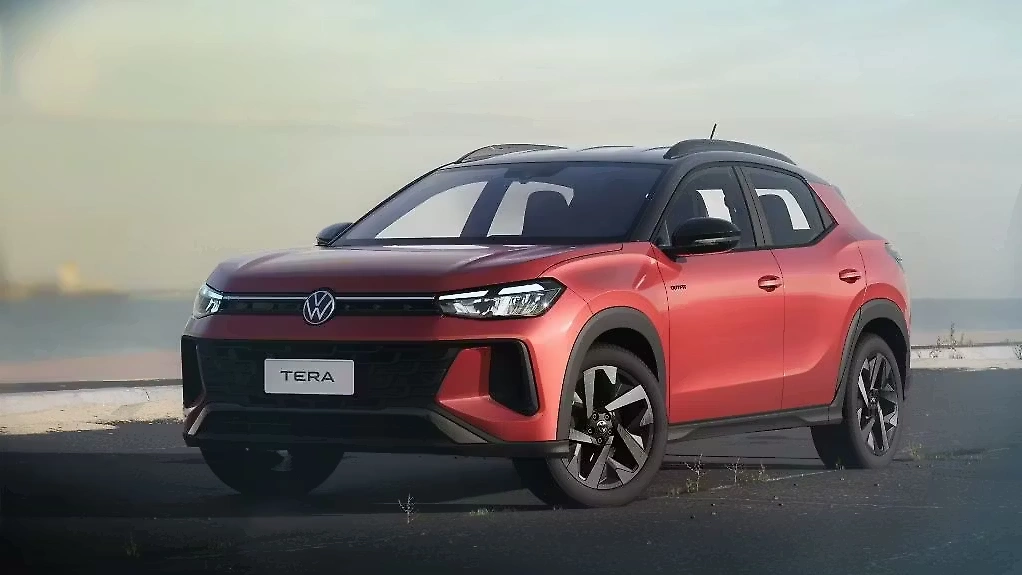
4. Volkswagen Tera: German Dynamics Without the Huge Price Tag
Volkswagen has had a bit of a gap in the sub 4 meter segment ever since the Polo bow out. The Tera is their direct answer to the Brezza and Nexon crowd.
When to expect it: Early 2027
What you’ll likely pay: Expected between ₹8 Lakh and ₹13 Lakh
The mechanical stuff It is stick to what VW does best a 1.0-litre TSI turbo petrol push 115 bhp and 178 Nm. Pair with a 6 speed torque converter or a slick manual it will easily be one of the finnest car to drive in its class.
If you care more about how a car feels around a sharp corner than whether it has ambient lighting in 64 colors, keep your eye on this one.
Should You Wait or Just Buy Something Today?
Here is my honest take. If your current car is breaking down every month and burning a hole in your wallet for repairs, don’t wait. Just buy what’s on the market right now.
However, if you’re upgrading simply because you want something newer, wait. The next wave of cars brings way better battery tech, proper level-2 ADAS systems that actually work on Indian highways, and hybrid engines that save you a fortune at the petrol pump.
Be the first to comment
Leave a Comment
Please log in as a subscriber to leave a comment.
Login to Comment