
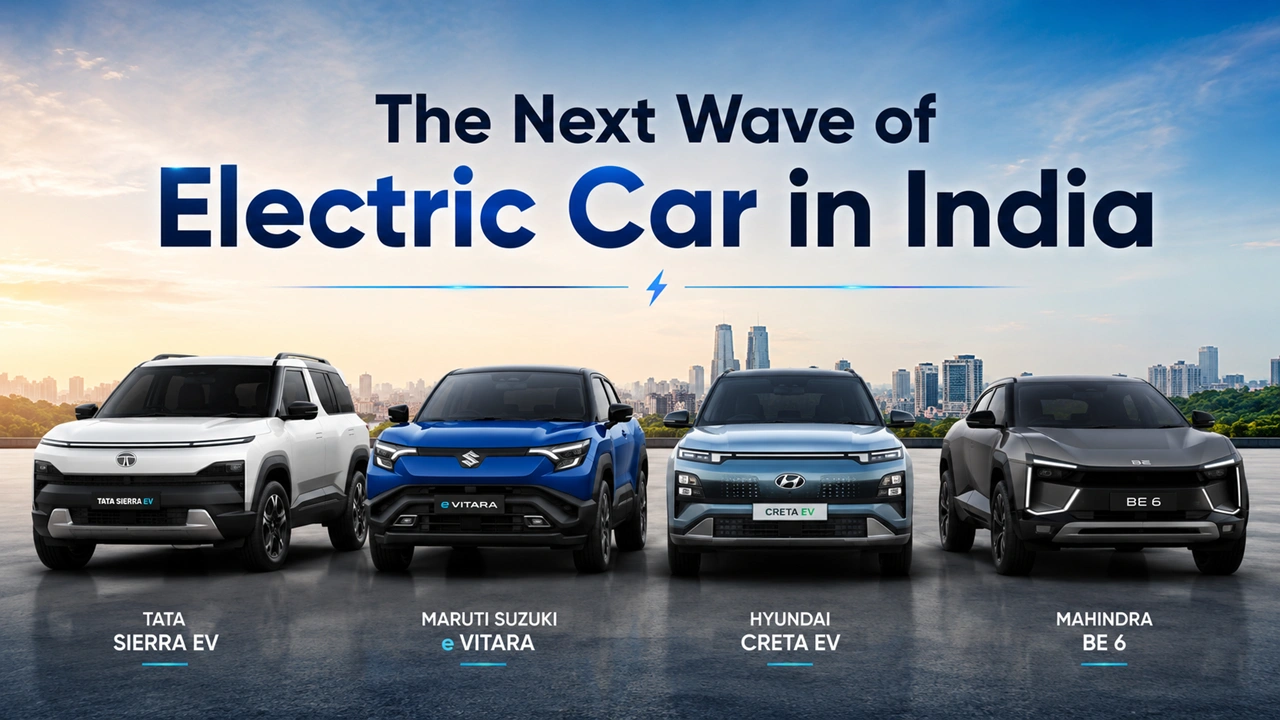
If you’ve been looking at buy a new car lately you’ve probably hit the classic buyer dilemma, Do I buy what’s on the showroom floor today or do I wait a few month for the next big thing?
When it comes to electric vehicles in India, that decision is trickier than ever.
Over the last couple of years, Indian buyers have mostly had to choose between adapted petrol cars (where a battery was basically crammed into an existing chassis) or high-end luxury imports. But the market is right on the edge of a massive shift. The next batch of EVs isn’t just about eco-friendly commuting anymore—they’re bigger, go much further on a single charge, and are built on grounds-up electric platforms.
If you’re planning your next family car or daily runner, here is a honest look at what’s heading our way, what the tech actually means for your daily drive, and whether holding off your purchase makes sense.
Why the new Generation of EV’s is a Big Deal
To understand why everyone is talk about upcoming EVs you have to look under the floor board.
Early EV’s were essentially compromise. Engineer took regular petrol or diesel car swap the engine for a motor and stuf battery wherever they could fit. It work but it meant awkward boot space cramp rear footwell and limit battery capacity.
The upcoming cars coming to Indian roads are fundamentally different. They use dedicated “skateboard” architectures (like Tata’s acti.ev and Mahindra’s INGLO). By mounting a flat battery pack across the base of the vehicle, carmakers are giving us:
Massive cabin space: Without an engine or driveshaft tunnel, wheelbases are longer and floorboards are totally flat.
Real long distance range Fit 60 kWh to 80 kWh battery pack is now easy push practical highway range well past the 400 km mark.
Faster DC charge, Better thermal management mean these batteries can pull serious power from fast charger without overheat. You can realistic get from 10% to 80% charge in about 20–30 minute during a highway tea break.
If you like staying on top of the latest launches, road test reviews, and ownership advice, you can check out deeper automotive coverage on EpicWheels.
The Big Heavyweights: Upcoming EVs Worth Watching
Here are four upcoming model that are set to shake up the mid size SUV segment:
1. Tata Sierra EV
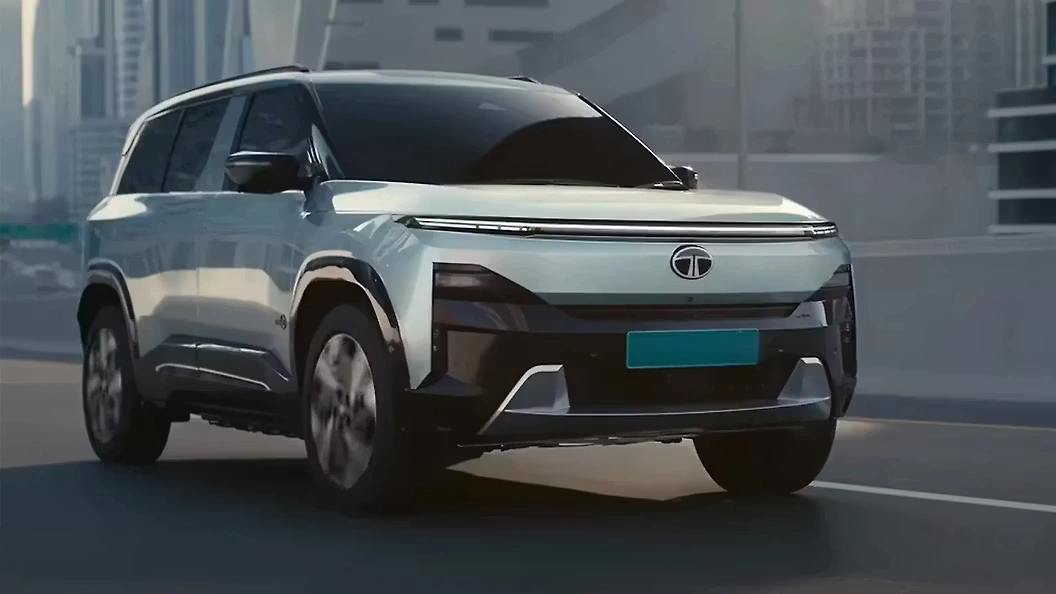
The Sierra nameplate carries a lot of nostalgia for Indian car buyers, but the new version is purely futuristic. Built on Tata’s acti.ev platform, it sports a boxy, commanding stance paired with high-tech cabin features like a triple-screen setup and Level 2 ADAS.
- Battery: 63 kWh – 75 kWh options
- Expected Range: Up to 665 km (test conditions)
- Who it’s for: Buyers wanting a spacious, iconic family SUV with maximum road presence.
2. Maruti Suzuki e Vitara
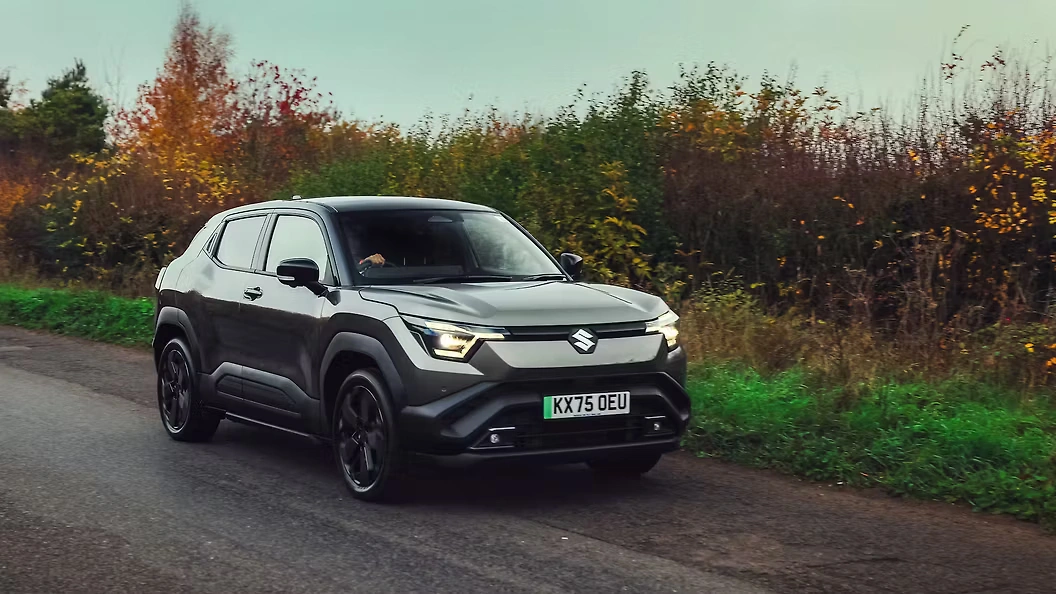
Maruti took its time entering the EV space, but the e Vitara looks tailored specifically for mass-market buyers who prioritize reliability. It’s practical, aerodynamically clean, and will even offer a dual-motor All-Wheel Drive (AWD) variant for trickier terrain.
- Battery: 49 kWh – 61 kWh options
- Expected Range: 440 km – 543 km
- Who it’s for: Everyday drivers looking for low maintenance and practical town-and-highway capabilities.
3. Hyundai Creta EV
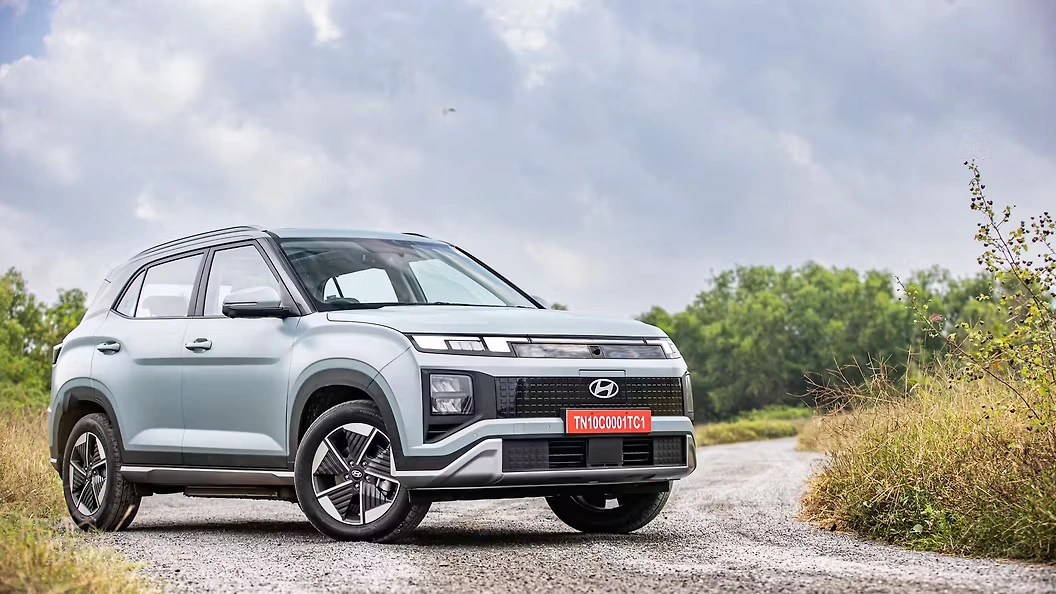
India’s favorite SUV is finally getting an electric heart. Hyundai isn’t try to reinvent the wheel here they’re take the comfort, ride quality and feature pack that made the regular Creta a best seller and electrify it.
- Battery: 42 kWh – 51.4 kWh options
- Expected Range: Up to 510 km
- Who its for, Anyone want a familiar, ultra comfortable urban cruiser with proven electronic.
4. Mahindra BE 6 & XEV 9e
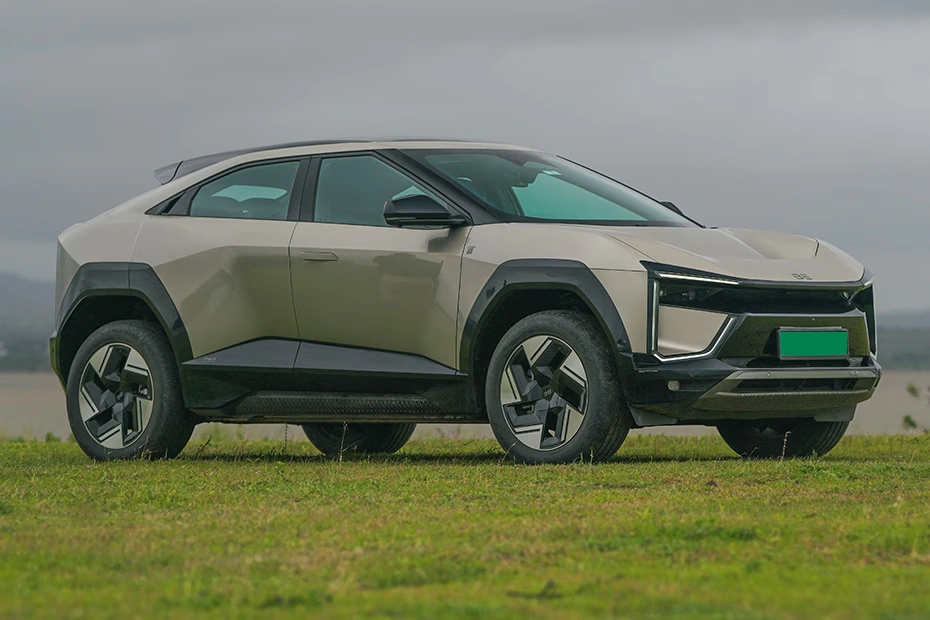
Mahindra is taking a very bold design approach with its INGLO-platform electric SUVs. Sharp angles, coupe-like rooflines, and serious performance figures make these stand out immediately. They’re fitting massive battery packs to eliminate highway anxiety altogether.
- Battery: 59 kWh – 79 kWh options
- Expected Range: Up to 683 km
- Quick Comparison: Real-World Expectations
It’s easy to get lost in brochure number, so here is a realistic look at how these upcoming model compare side-by-side:
| Vehicle | Battery Pack | Power Output | Claimed Range | Fast Charge Time (10–80%) |
|---|---|---|---|---|
| Tata Sierra EV | 63–75 kWh | ~235 kW | Up to 665 km | ~20 minutes |
| Maruti e Vitara | 49–61 kWh | ~142 kW | Up to 543 km | ~45 minutes |
| Hyundai Creta EV | 42–51.4 kWh | ~133 kW | Up to 510 km | ~39 minutes |
| Mahindra BE 6 | 59–79 kWh | ~228 kW | Up to 683 km | ~20 minutes |
Who its for, Driving enthusiast who want quick acceleration and strik non traditional style.
Thing to Keep in Mind Before You Put Down a Deposit
Before you run to a dealer ship to book an upcoming EV keep these ground reality in mind:
Subtract 20–25% for Real World Range, Official ARAI or MIDC number are test in ideal condition. In real Indian drive with traffic, heavy AC use and highway speed expect a 60 kWh battery to give you around 380–420 km of actual range. That’s still plenty but it’s good to set expectation early.
Home Setup Come First, Before pick a car make sure your apartment complex or house wiring can support a 7.2 kW wall box charger. Slow charge overnight at home is where 90% of your savings happen.
Public Highway Charging: Fast-charging networks across Indian national highways are expanding fast, but it’s still worth downloading apps like Tata Power EZ Charge or Statiq to check charger coverage along your frequent road-trip routes.
If you’re still weighing your options between petrol, hybrid, and electric cars, heading over to EpicWheels will give you plenty of detailed buying guides to help you calculate your total cost of ownership.
The Verdict
If you need a car right this second, current options on the market are solid enough for city commutes. But if you can wait a bit hold out for these upcoming EV car in India is a smart move. You’ll end up with a vehicle built on purpose built EV technology, better cabin ergonomic and range figure that make road trip truly stress free.
Be the first to comment
Leave a Comment
Please log in as a subscriber to leave a comment.
Login to Comment