
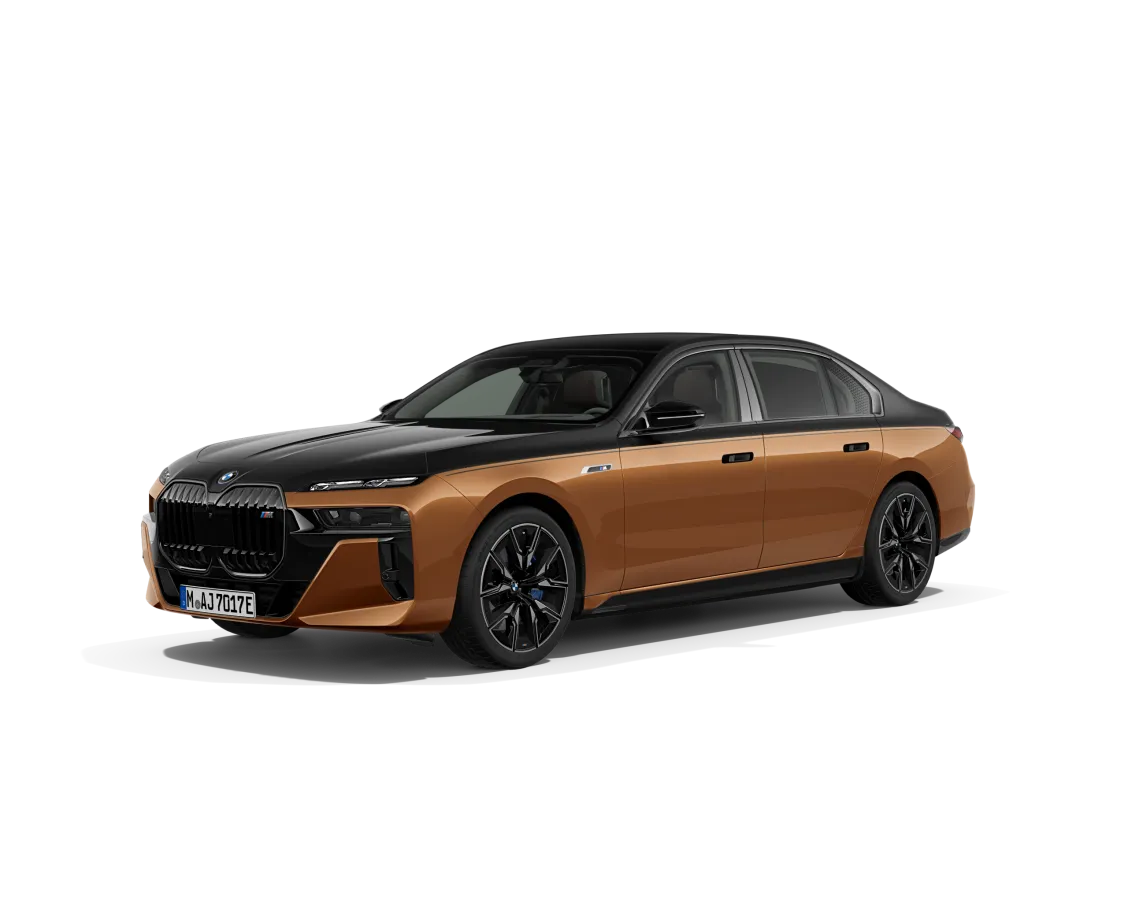
Buying a full-size luxury flagship used to be simple. You picked an engine, chose your leather trim, decided how disconnected you wanted to feel from the pavement, and signed the lease.
The current G70-generation BMW 7 Series completely ruins that safe, comfortable template.
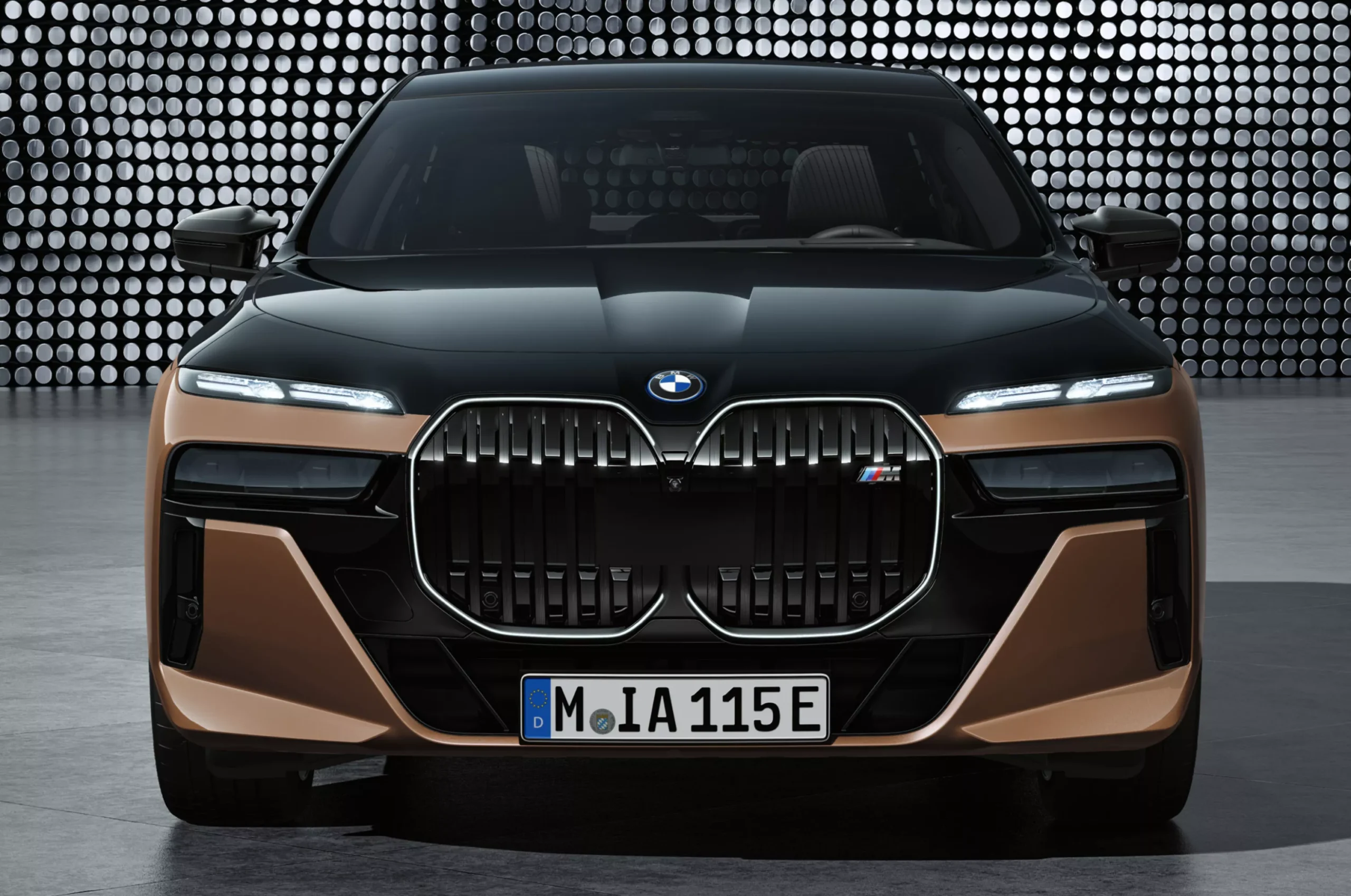
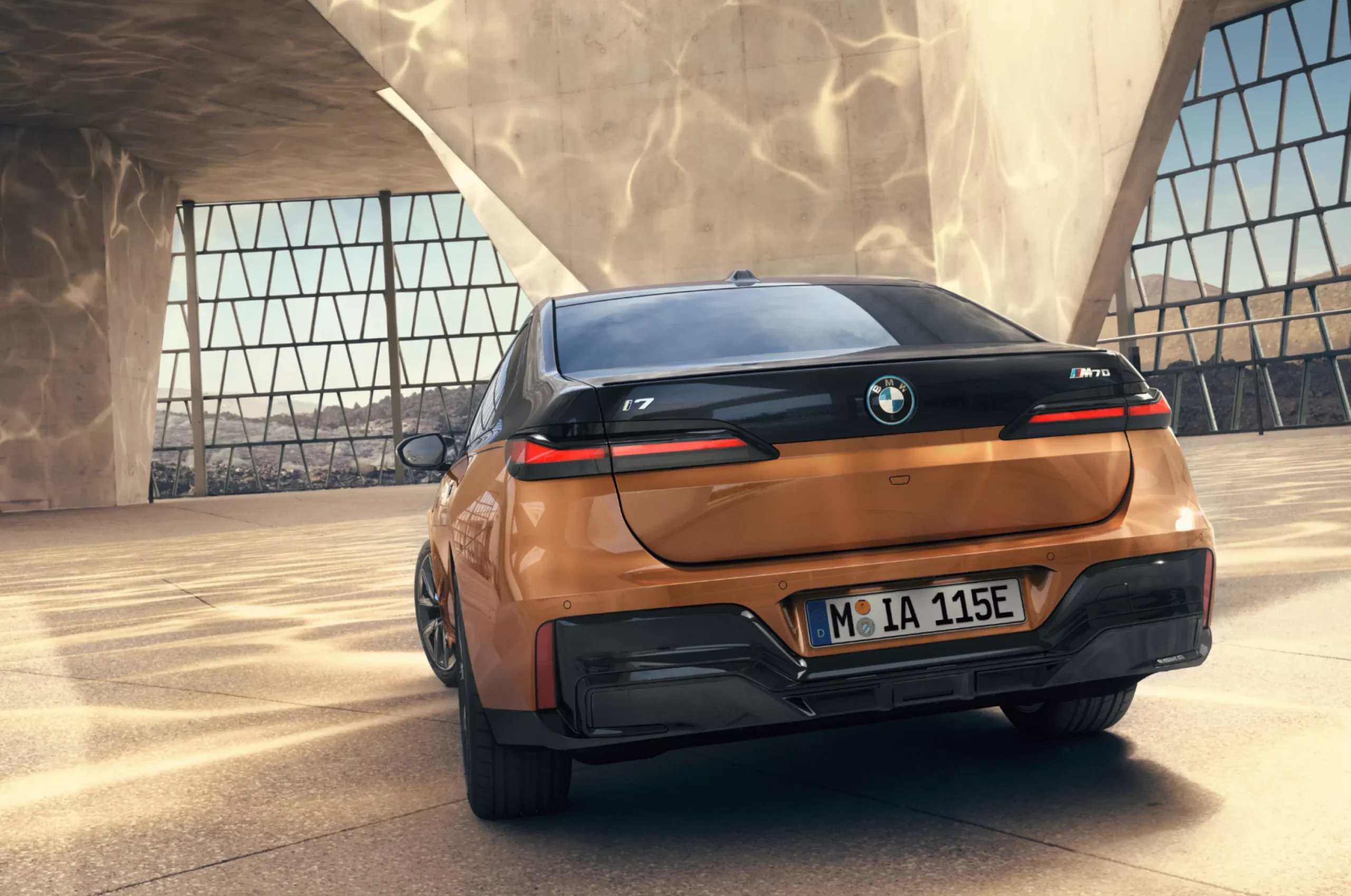
Instead of slipping quietly into corporate parking garages, the 7 Series makes a loud, blocky visual statement. The twin-tier headlights and giant vertical kidney grille are unmissable. BMW built this version for buyers who want people to notice them arriving—period. Underneath that slab-sided bodywork sits an adaptable platform housing straight-six engines, twin-turbo V8s, plug-in hybrids, and pure electric powertrains on the exact same assembly line.
Whether you’re eye-ing the base 740i, the aggressive V8 760i xDrive, or the silent all-electric i7, getting the right one means ignoring the marketing noise and looking at how the hardware handles actual driving.
Why the Design Split the Room
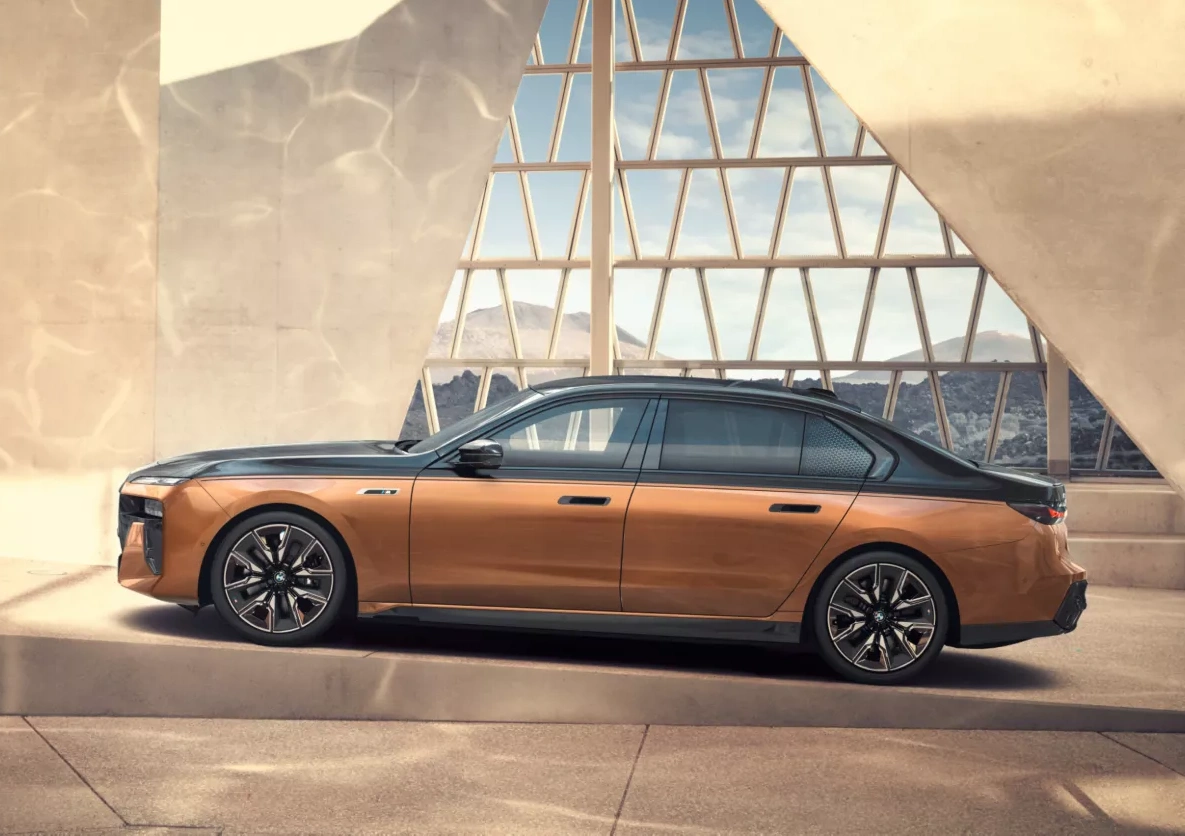
Traditional luxury buyers like small, gradual design updates. BMW didn’t do that here. They went with a tall, heavy visual profile that feels much closer to a Rolls-Royce Ghost than any previous 7 Series generation.
They also killed off the short-wheelbase chassis option globally. Every G70 comes standard as a long-wheelbase cruiser, built primarily around back-seat space.
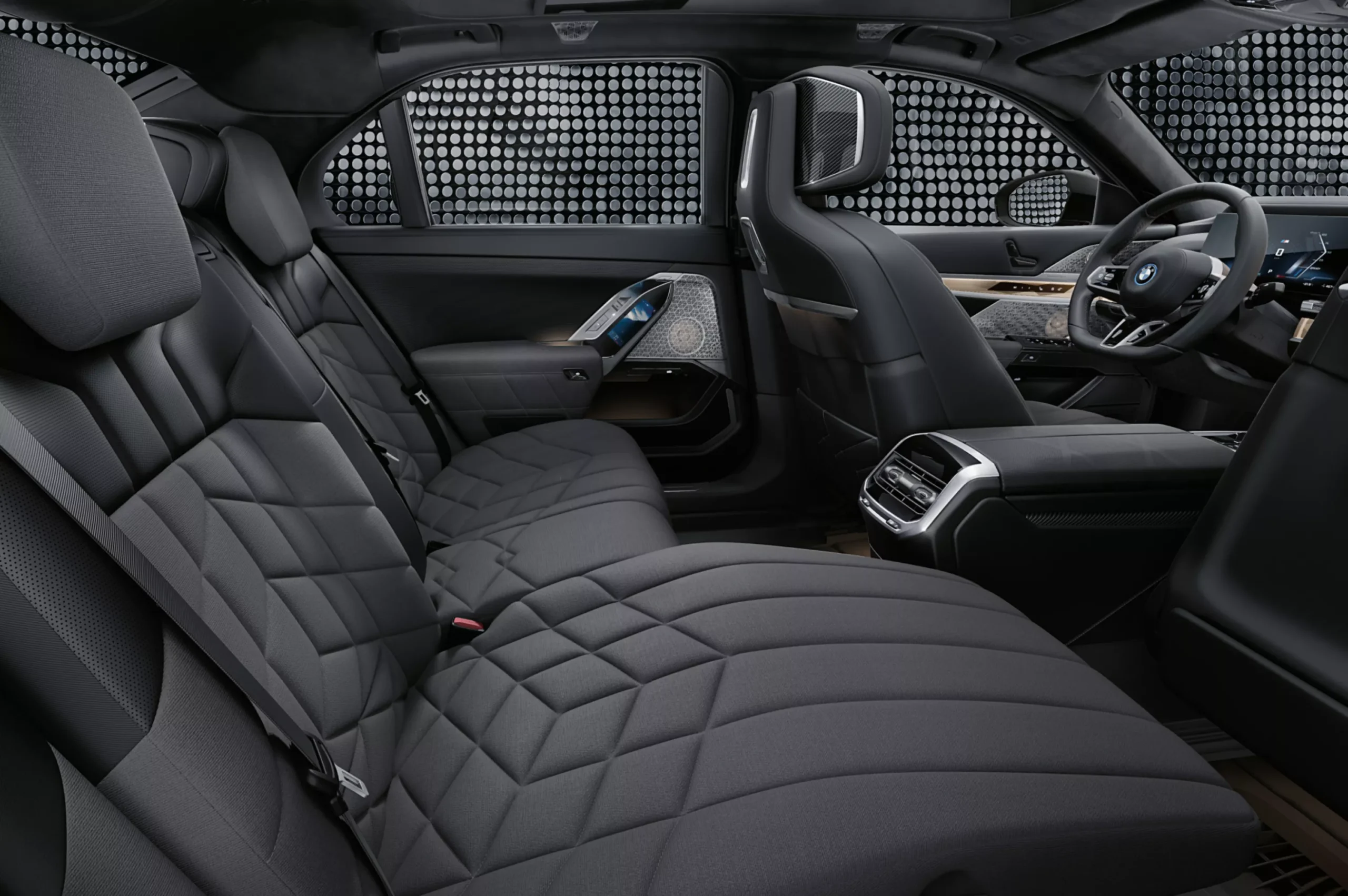
Step inside, and almost all physical buttons are gone. In their place, you get a curved glass dash, ambient light bars integrated into the doors, and air vents hidden out of sight. Tech fans love the futuristic atmosphere. Drivers who prefer real, physical dials for basic controls will probably find the screen-heavy setup annoying to use on the highway.
Powertrain Options Breakdown
Picking the right 7 Series depends on your commute, your charging situation at home, and how much power you actually need under your foot.
| Model | Engine & System | Power Output | 0–100 km/h (0–60 mph) | Drivetrain | Who It’s Actually For |
|---|---|---|---|---|---|
| 740i | 3.0L Turbo Inline-6 + 48V Mild-Hybrid | 375–394 hp / 540 Nm | ~5.4 sec | RWD or xDrive AWD | Daily commuters who want classic BMW six-cylinder reliability. |
| 760i xDrive | 4.4L Twin-Turbo V8 + 48V Mild-Hybrid | 536 hp / 750 Nm | ~4.1 sec | All-Wheel Drive | Drivers who still want heavy, effortless V8 muscle. |
| 750e xDrive | 3.0L Turbo Inline-6 + Electric Motor | 483 hp / 700 Nm | ~4.6 sec | All-Wheel Drive | Suburban drivers wanting short gas-free errands without highway range anxiety. |
| i7 xDrive60 | Dual Electric Motors (101.7 kWh battery) | 536 hp / 745 Nm | ~4.5 sec | All-Wheel Drive | Executives wanting total cabin quiet and easy home charging. |
| i7 M70 xDrive | High-Output Dual Electric Motors | 650–680 hp / 1,015+ Nm | ~3.5–3.8 sec | All-Wheel Drive | Drivers who want relentless EV speed in a massive luxury body. |
Gas Engines: 740i vs 760i
The turbocharged 3.0-liter inline-six in the 740i is still one of the best engines on the market. The 48-volt mild-hybrid motor smooths out automatic engine stops and starts until you barely feel them. The 760i’s twin-turbo V8 brings violent passing power, but that heavy engine places extra weight right over the front tires.
The Electric i7
The i7 gives you instant electric torque without gear shifts. It pulls hard and dead-silent. The catch? That 100+ kWh battery pushes total vehicle weight past 2,600 kilograms (5,900 pounds). Air suspension smooths out bad pavement remarkably well, but you feel all that weight when braking hard into a tight corner.
Real Checks Before Ordering One
If you are shopping for a G70 generation 7 Series, check these practical details first:
- Get out a tape measure. The G70 stretches nearly 5.4 meters (212 inches) long. Measure your garage depth and driveway turning radiuses before signing anything.
- Rethink the 31.3-inch rear theater screen. It looks incredible in photos, but when dropped down for rear passengers, it completely blocks your optical center rearview mirror. If you drive yourself most of the time, skip it.
- Sit in the driveway and use the menus. Spend 10 minutes navigating climate controls, seat massage toggles, and safety menus on the central glass panel. Make sure you don’t mind controlling those features through a screen.
- Be careful with wheel sizes. The optional 21-inch and 22-inch wheels look sharp, but the skinny tire sidewalls pass sharp potholed impacts straight into the cabin. The standard 20-inch wheels ride significantly better.
Real Ownership Downsides
Flagship sedans always come with real-world compromises:
- Menu distractions: Changing simple settings—like fan speeds or steering wheel heat—means taking your eyes off the road to navigate touchscreen sub-menus.
- Heavy depreciation: Full-size executive sedans drop in value fast over their first three years. Leasing usually protects your money better than paying cash upfront.
- Tire wear: Heavy curb weight combined with instant motor torque means you will chew through expensive performance tires faster than standard car owners.
Final Take
The current 7 Series wasn’t built to blend in, and that’s its biggest strength. By mixing bold styling with exceptional highway isolation, BMW created a car that feels distinctly modern.
If you want a comfortable cruiser crammed with high-end tech, it belongs on your shortlist. Test drive the 740i and the electric i7 back-to-back—the difference in power delivery will show you right away which engine matches your driving style.
Be the first to comment
Leave a Comment
Please log in as a subscriber to leave a comment.
Login to Comment