
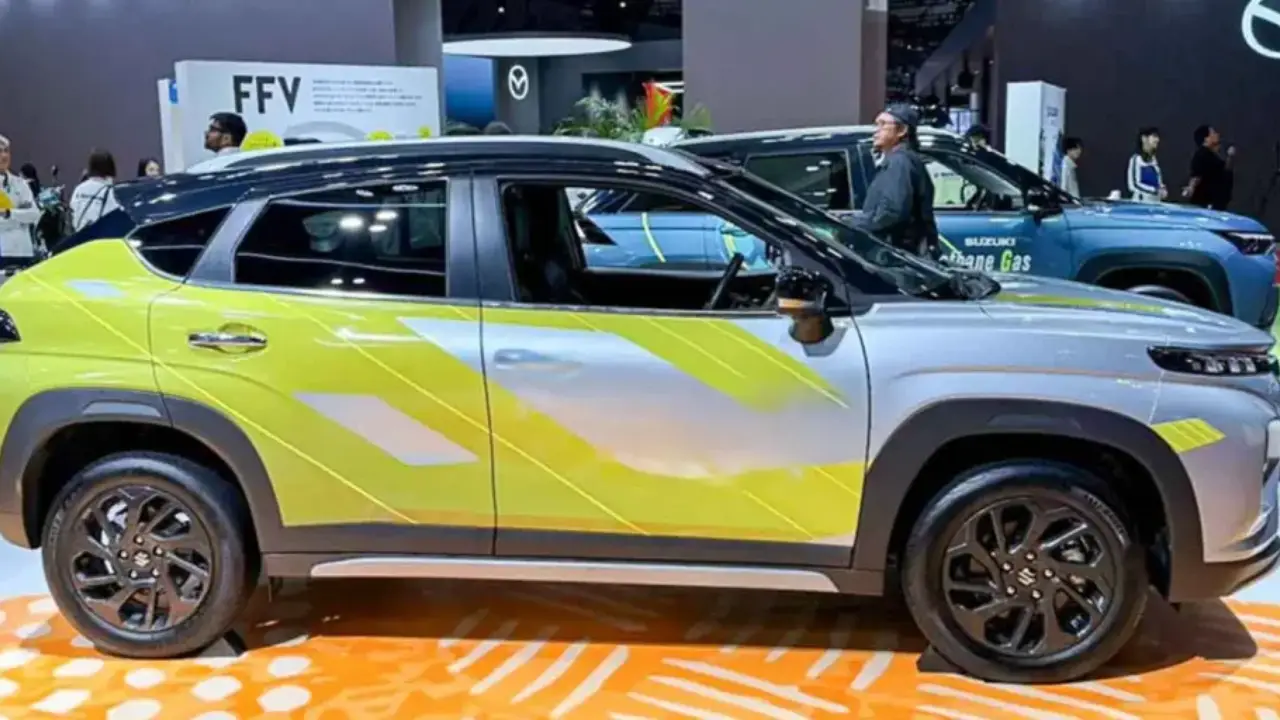
Finally, a Fuel Alternative That Doesn’t Feel Complicated
For the last few years, car companies have been talking nonstop about electric vehicles. Every new launch sounds futuristic, every ad talks about “the future of mobility,” and every second person online suddenly becomes an EV expert.
But step outside social media for a minute and talk to actual car buyers.
Most people still want simple things.
- A car that is affordable.
- A car that is easy to maintain.
- And most importantly, a car that doesn’t create new headaches.
That is why probably the upcoming Maruti Suzuki Flex Fuel Cars feel genuinely interesting. Not because it look futuristic because it sounds practical.
Maruti Suzuki appears to be working on a flex-fuel vehicle for India, reportedly based on the familiar WagonR. And unlike many experimental technologies, this one doesn’t ask drivers to completely change their habits overnight.
What Is a Flex Fuel Car, Really?
The name sounds more technical than it actually is.
A flex-fuel car is a vehicle that can run on petrol which is mixed with ethanol. Ethanol is a biofuel usually produce from crops like sugarcane.
Today A Regular petrol car already use small amount of ethanol blend. Flex-fuel vehicles are different because they can handle high ethanol content without damaging the engine.
The best part is that the driver doesn’t really need to “learn” anything new.
- You fuel the car.
- You drive normally.
- The system handles the rest.
Honestly, that simplicity matters more than companies sometimes realize.
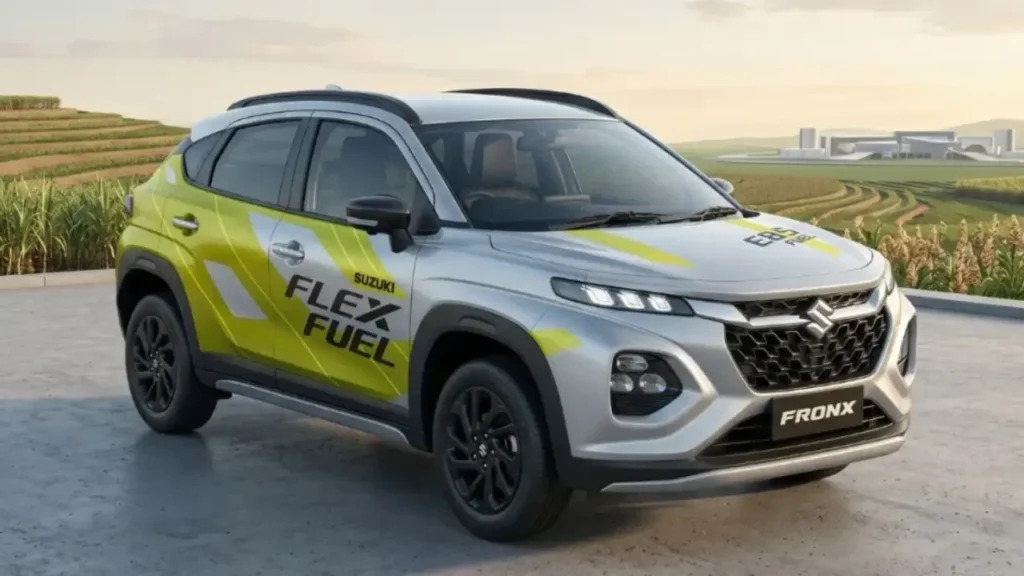
Why Maruti Suzuki Is Taking This step?
Maruti Suzuki understand Indian buyers better than the most Car manufacturers. The company knows people here are careful with money and usually avoid technology that feels risky or expensive.
That’s where flex fuel fits nicely.
Just like electric vehicles, flex-fuel cars do not depend on charging stations. There is no waiting around time for batteries to charge and no anxiety about finding a charging stations during a long trip.
For someone driving daily in Mumbai traffic or travelling between cities regularly, that convenience still matters a lot.
And let’s be honest — many buyers are curious about EVs, but not everyone is ready to fully trust them yet.
The WagonR Connection Makes Sense
Report suggest the flex-fuel model could be featured in the Maruti Suzuki WagonR.
That actually feels like a clever decision.
The WagonR has never been a “dream car.” Nobody buys it to impress neighbours. People buy it because it works. It’s spacious enough, cheap to maintain, and surprisingly practical for Indian families.
That trust is important.
If Maruti launched flex-fuel technology in an expensive premium model first, most buyers would probably ignore it. But putting it into a familiar hatchback immediately makes the idea feel more approachable.
The Technical Side — Explained Normally
Here is the simple version.
A flex-fuel engine use sensors to detect that how much ethanol is present in the fuel. The car then automatically adjusts fuel injection and engine timing.
Drivers don’t have to press buttons or switch driving modes.
There is one small trade-off, though.
Ethanol produce slightly less energy than petrol.
- Petrol energy density: around 34 MJ/L
- Ethanol energy density: around 24 MJ/L
So yes the mileage of your car can be drop a little, when higher ethanol blended.
However, ethanol also burn clean and has a higher octane rating. This can be improve combustion quality and reduce harmful emissions.
In day-to-day driving, most people will probably care more about running cost and convenience than technical numbers anyway.
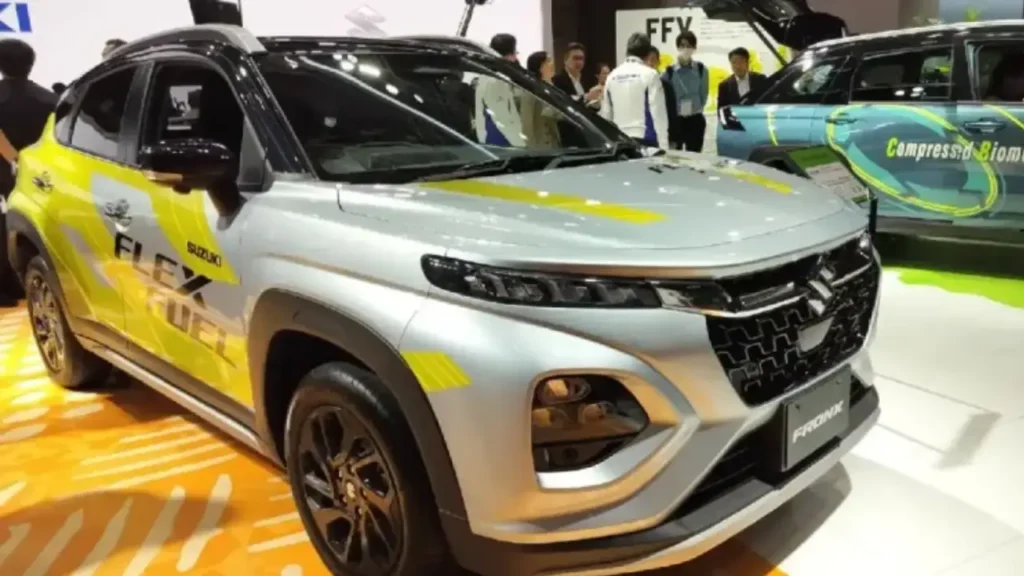
Is This Better Than an Electric Car?
Right now, for many Indian buyers, it honestly might be.
Not because EVs are bad. Electric cars are improving quickly. But India is still in that awkward transition phase where EV infrastructure is growing, but not yet fully comfortable.
Charging stations are still uneven in smaller cities. Apartment charging is difficult for many people. And budget EV options remain limited.
Flex-fuel cars avoid most of those issues because they still behave like normal cars.
That’s what makes this technology feel realistic instead of experimental.
One Thing That Will Decide Its Success
Everything now depends on fuel availability.
If ethanol-blended fuel become easily available across India, flex-fuel vehicle could become a strong alternative for budget conscious buyers.
If fuel supply remain limited, the technology may struggle despite good intention.
So the car alone isn’t enough. The ecosystem matters too.
Final Thoughts
The upcoming Maruti Suzuki Flex Fuel Car may not create massive hype online like flashy EV launch do. But sometimes the quieter ideas end up fitting real life better.
And this feels like one of those cases.
For Indian buyers who want lower emissions without changing their entire lifestyle, flex fuel could be a comfortable middle ground.
- No charging stress.
- No learning curve.
- No dramatic shift.
Just a familiar car trying to become a little smarter.
FAQs
Q – What is a flex-fuel car?
A – A flex-fuel car can run on petrol mixed with higher levels of ethanol.
Q – Which Maruti Suzuki car may get flex-fuel technology first?
A – Current reports suggest a WagonR-based model is likely.
Q -Does ethanol reduce pollution?
A – Yes. Ethanol burns cleaner than regular petrol and produces fewer emissions.
Q – Will mileage decrease with ethanol fuel?
A – Slightly, because ethanol contains less energy than petrol.
Q – Are flex-fuel cars expensive?
A – They are expected to be more affordable than most electric vehicles.

Be the first to comment
Leave a Comment
Please log in as a subscriber to leave a comment.
Login to Comment