
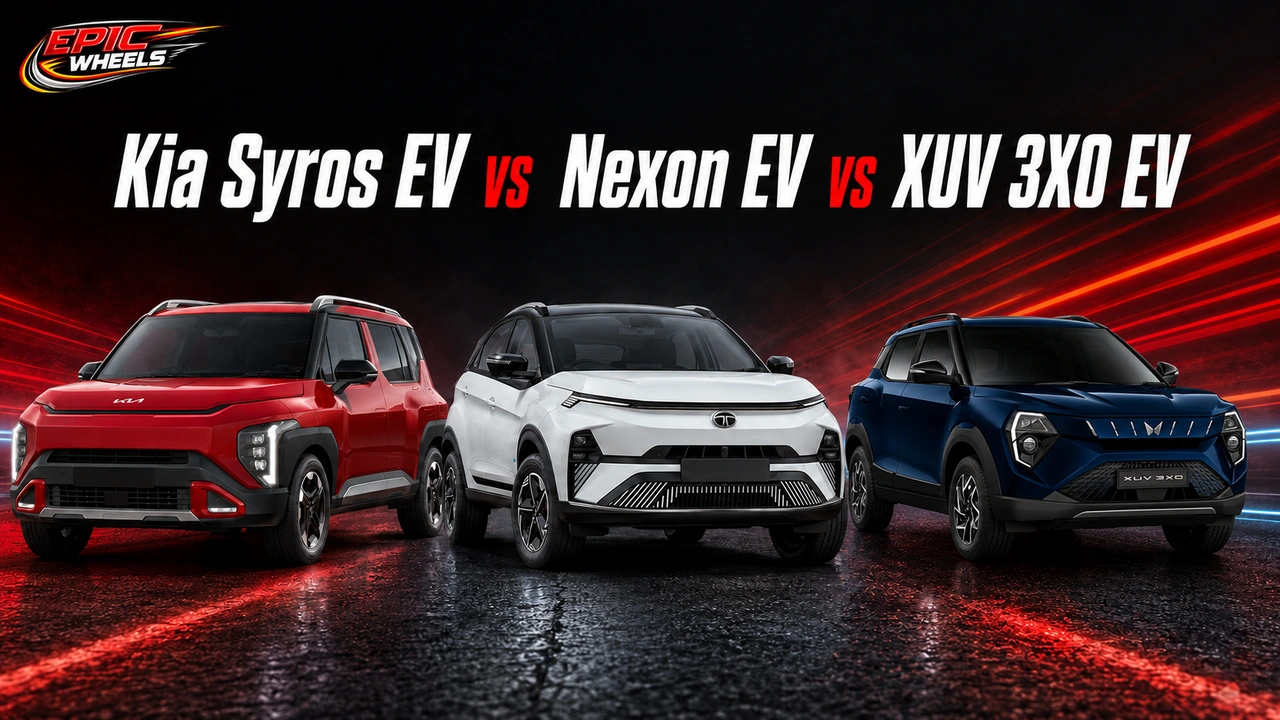
Let’s be honest for a second, to buy an electric car in India right now is a complete mine field. A couple of years ago you just walk into a Tata showroom swip your card for a Nexon EV and called it a day. But right now! The competition is brutal. Mahindra came out swing with the feature on the XUV 3XO EV and now Kia has thrown a massive wrench in the gear with the Syros EV.
If you are standing there with roughly ₹14 to ₹18 lakh in your bank account, trying to figure out which of these three deserves your hard-earned cash, you’re probably pulling your hair out.
Let’s skip the PR talk and break down how these three actually stack up when you live with them.
The Visual First Impression: Boxy, Curvy, or Just Plain Weird?
Design is subjective, but these three cars couldn’t look more different if they tried.
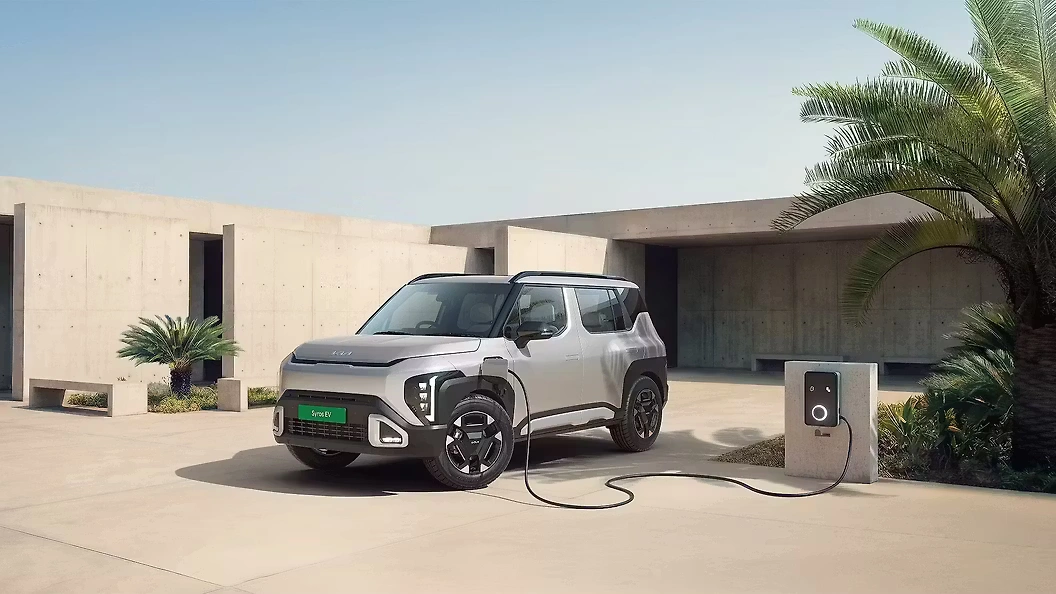
The new Kia Syros EV looks like something out of a sci-fi flick. It’s unashamedly boxy. It’s got this tall, upright stance with vertical LED lights that make it look way bigger in your rearview mirror than a sub-4-meter car has any right to. It has serious road presence if you like that tough, mini-Telluride aesthetic.
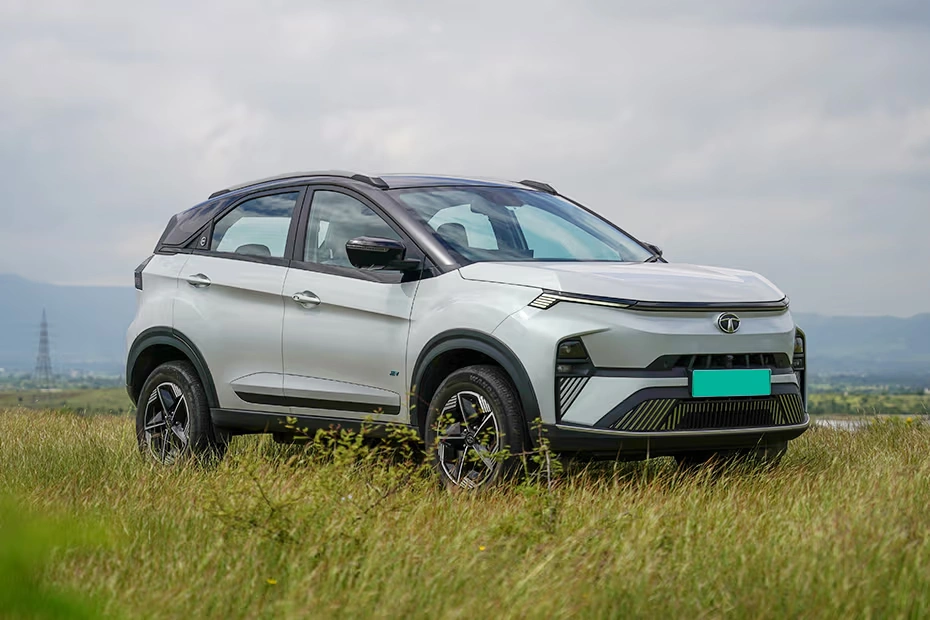
Then you have the Tata Nexon EV. Look around any traffic light in Mumbai or Bangalore, and you’ll see five of them. It’s sleek, it’s curvy, and that front light bar that shows your charging status is still a very cool party trick. It looks mature, but let’s face it—the design is starting to feel a bit common.
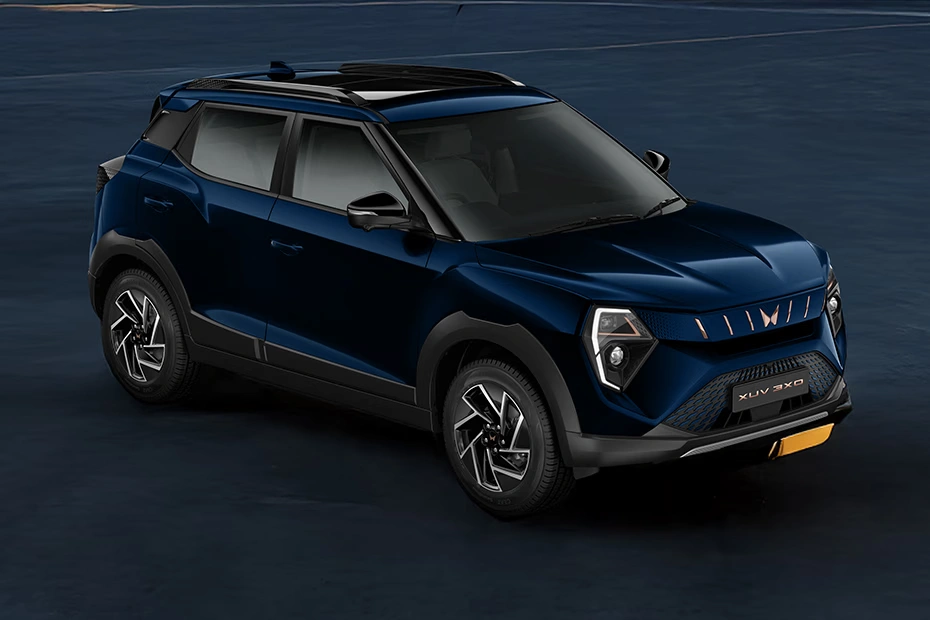
And then there’s the . Mahindra’s design team loves to polarize people. It’s got those massive, sweeping daytime running lights at the front and a wide, squat stance. It looks like a proper little bulldog from the sides, but the back end looks a bit chopped off. It’s aggressive, but it definitely isn’t for everyone.
Inside the Cabin: Where You Actually Spend Your Time
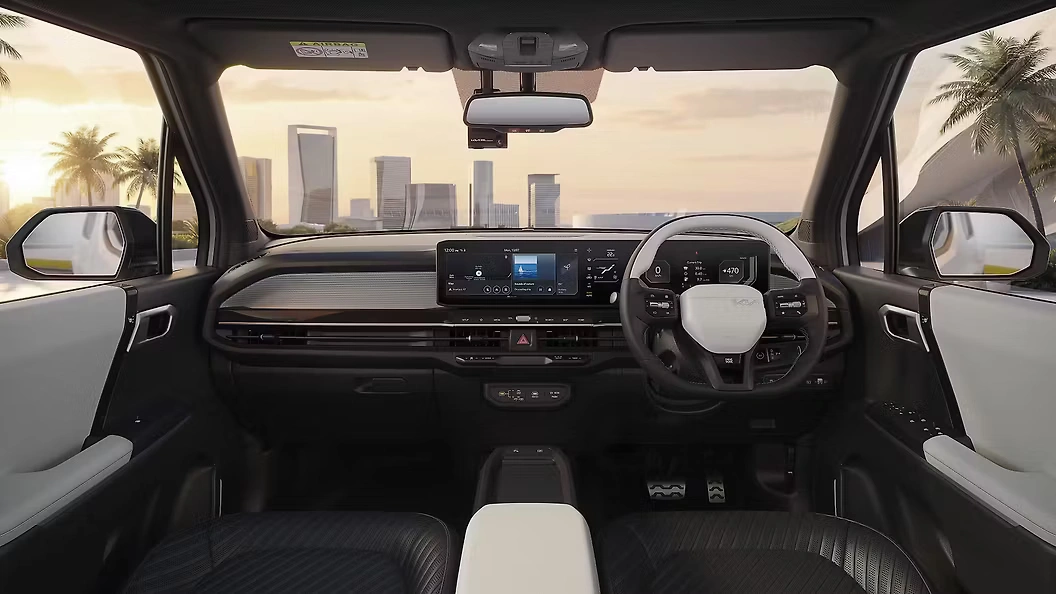
Step inside the Syros EV and the first thing you notice is how much head room you have. Because of that tall boxy roofline it feel incredibly airy. The dashboard is basically one giant 30inch piece of glass combine your screen. It look wildly premium. Plus it get ventilate seat which let s be real is the greatest invention for Indian summer.
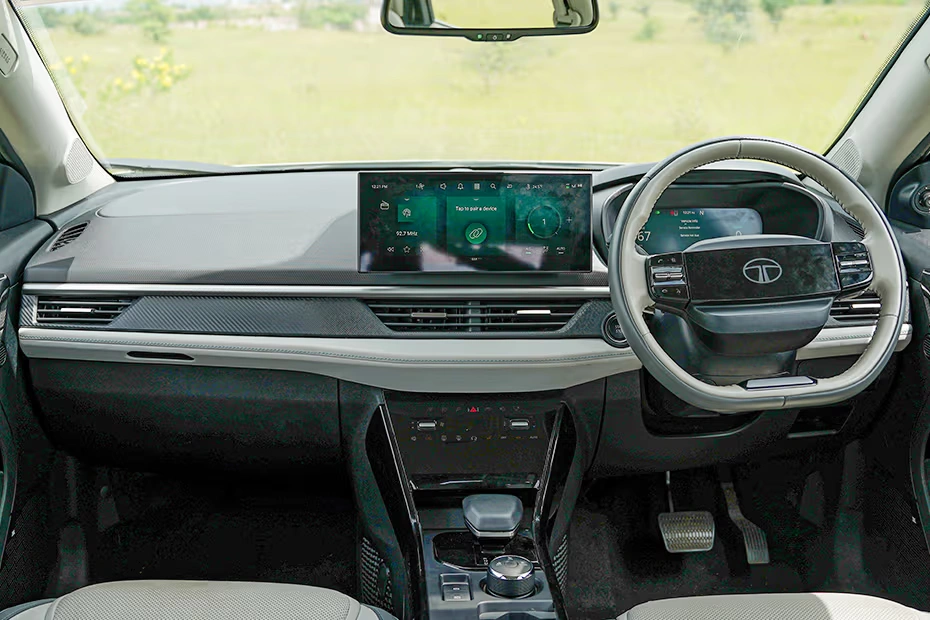
The Nexon EV feels more like a cozy cockpit. The seats hug you nicely, and that 12.3-inch screen is gorgeous and super responsive. But the center console is wide, which cuts into your knee room if you’re a taller driver. Also, Tata’s touch-sensitive AC controls look beautiful when the car is off, but trying to change the fan speed on a bumpy road without looking down is an absolute pain.
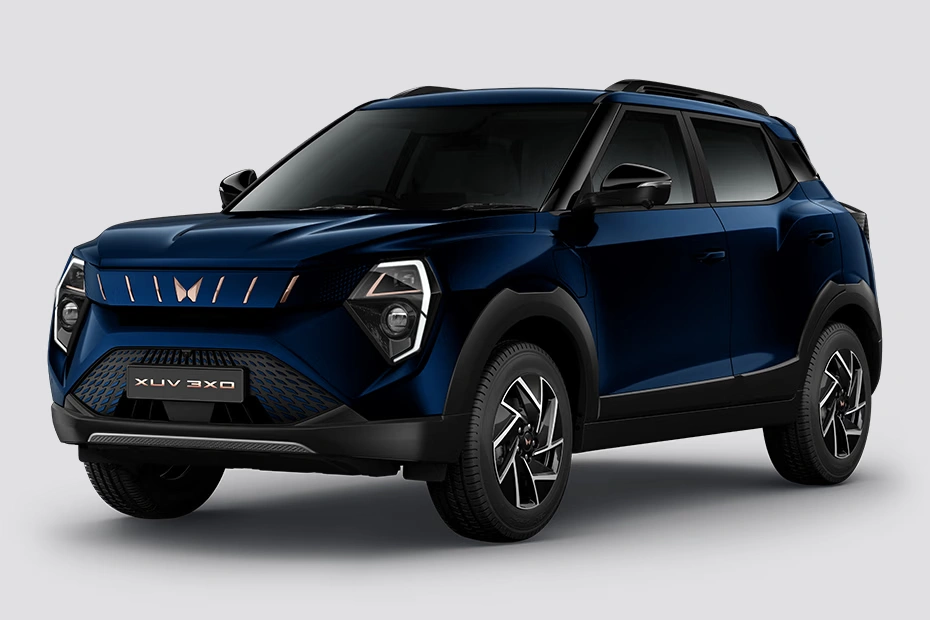
The XUV 3XO EV wins the award for pure, physical space. Because it has the longest wheel base in this class it is the only car here where three adult can sit in the back seat without awkwardly rubbing shoulder. Mahindra also gave it a massive panoramic sunroof they call it the Skyroof. Which make the cabin feel huge. The downside? No ventilated seat. Why Mahindra left that out in an EV at this price point is beyond me.
The Drive: Relaxed Commuter vs Highway Rocket
Here is where their personalities completely split.
If you love the thrill of instant electric torque, stop reading and go buy the Mahindra XUV 3XO EV. It put down a massive 310 Nm of torque. When you put this thing in Fearless mode and stomp the pedal it doesn’t just accelerate. It move with an urgency that will make your passenger grab the door handle. It handle like a heavy hatchback too very planted in the corner.
The Kia Syros EV takes a completely opposite approach. It’s incredibly refined. The power delivery is linear and smooth, almost like a luxury petrol car. It won’t give you that aggressive neck-snap, but it gathers speed effortlessly. The big win here is Kia’s i-Pedal system (single pedal driving) which is beautifully tune for bumper to bumper city traffic.
The Nexon EV sits comfortably right in the middle. It handles cleanly, the steering has a decent amount of weight to it on the highway, and the regeneration levels can be adjusted easily with the paddle shifters. It’s a very predictable, easy-to-drive car.
Range Anxiety: The Brutal Truth
Don’t ever believe the claimed range figures on the brochure. Let’s talk about what happens when you turn the AC on full blast and hit the road.
Kia Syros EV (51.4 kWh): Because it has the biggest battery pack of the lot, it’s the clear highway champion. You can realistically expect around 390 to 410 km on a full charge. If you do regular inter-city runs, this is the one that will keep your heart rate down.
Tata Nexon EV (45 kWh Long Range): Tata has been doing this a long time, and their range predictor on the dash is scary accurate. You will get a solid 320 to 340 km in the real world.
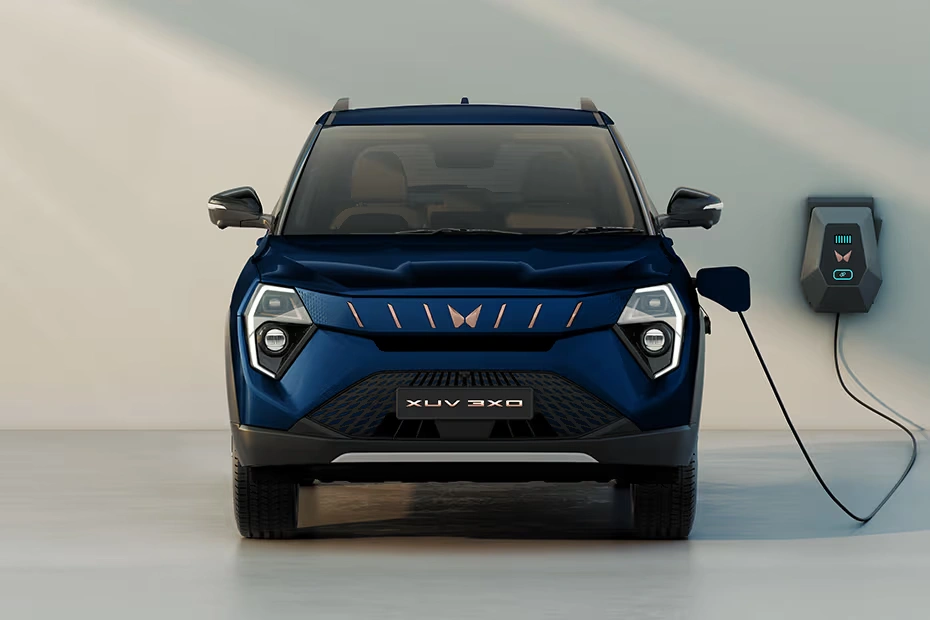
Mahindra XUV 3XO EV (39.4 kWh): That crazy performance come at a cost. Because the motor is so punchy if you have a heavy right foot your range is going to take a hit. Expect around 260 to 280 km in real-world driving. It’s fantastic for the city but you’ll be planning your highway charging stop carefully.
The Verdict Which One Should You Buy Actually?
Instead of pick a generic winner let’s look and find out that for who these car are actually for.
Buy the Kia Syros EV if you want the longest real world range you love futuristic tech you need a massive boot it hits a class leading 465 liters and you have the budget for the higher trims. It’s the best all rounder for a modern family.
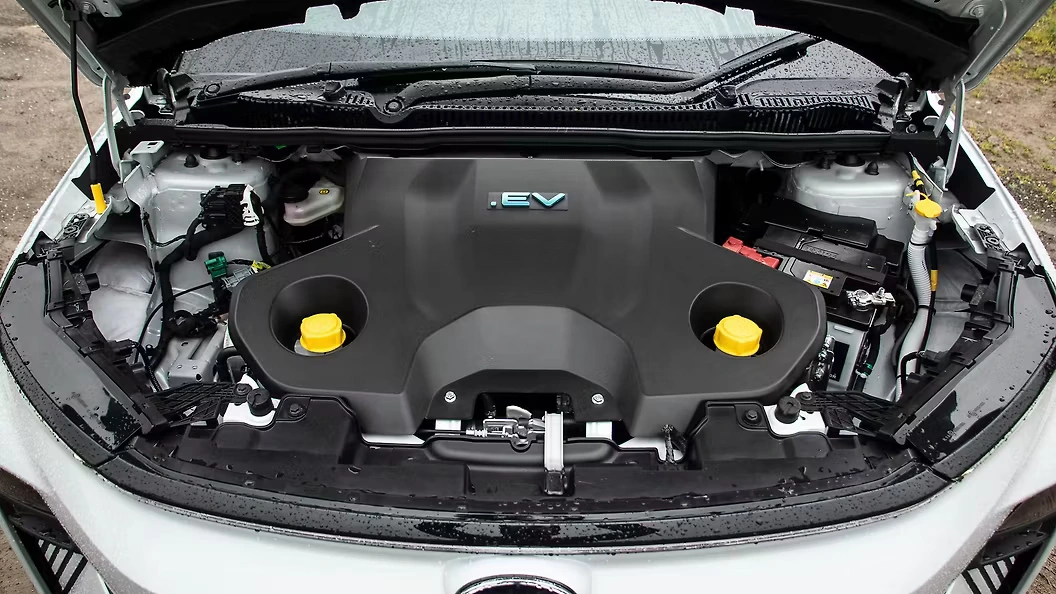
Buy the Tata Nexon EV if: You want something tried, tested, and safe. It has a proven 5-star crash test legacy, the best audio system (that JBL setup kicks hard), and it’s a very easy car to live with daily.
Buy the Mahindra XUV 3XO EV if you are a bit of an enthusiast who want maximum performance you need to carry three people in the back regularly and you want premium feature like Level 2 ADAS and a panoramic sunroof with out cross the ₹15 lakh mark. It is the undisputed value for money champion of the group.

Be the first to comment
Leave a Comment
Please log in as a subscriber to leave a comment.
Login to Comment