
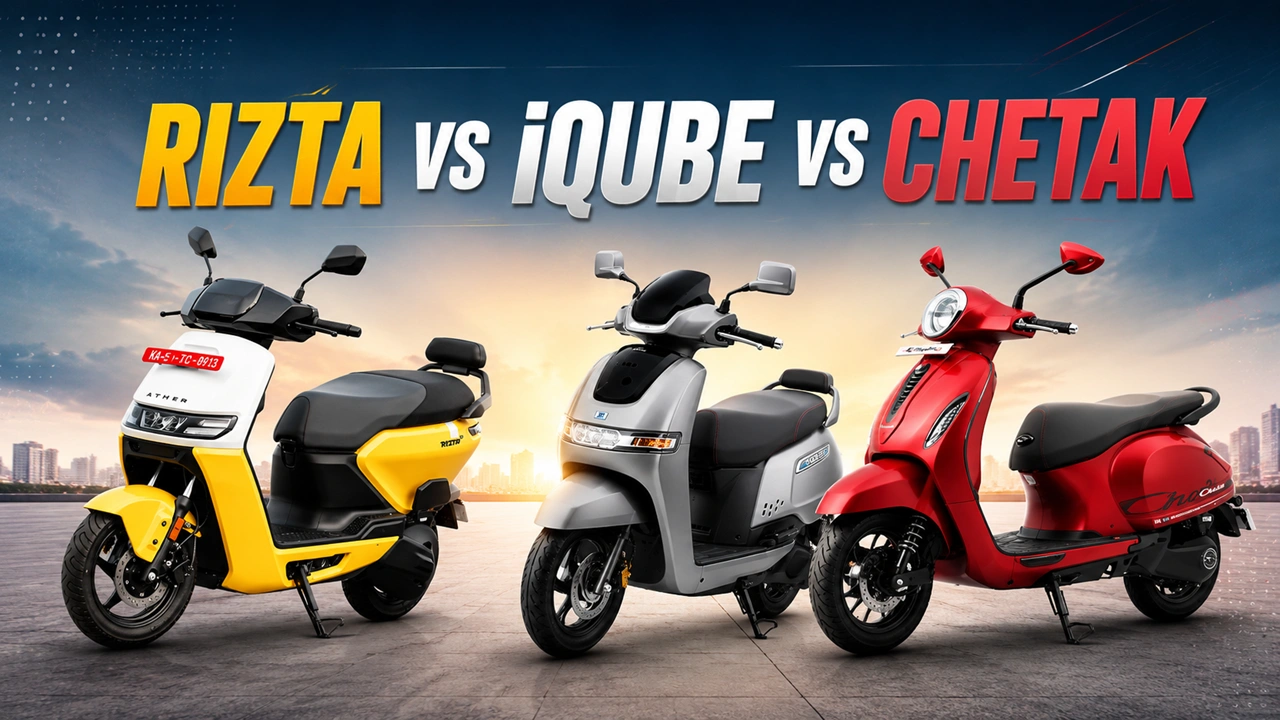
If you are walking into a showroom today with a budget of ₹1.5 lakh, you are in a very sweet spot. You are moving past the basic, low-speed electric mopeds and entering the real heart of the Indian EV market. But if you have spent any time reading brochures online, you have probably realized how confusing it is. Every brand promises a massive range, zero maintenance, and futuristic features.
The reality on the ground is a bit different. Potholes don’t care about a scooter’s software updates, and a family buyer doesn’t care about track-tested top speeds if their pillion passenger is sliding off the back seat.
To make sense of it all, we are splitting our guide into two sections. In this first part, we are looking strictly at the three safest bets in the market right now—built by established names who actually understand Indian road conditions: Ather, TVS, and Bajaj. These are the scooters you buy when you want to minimize your risk and want a machine that will last for years without giving you electronic headaches.
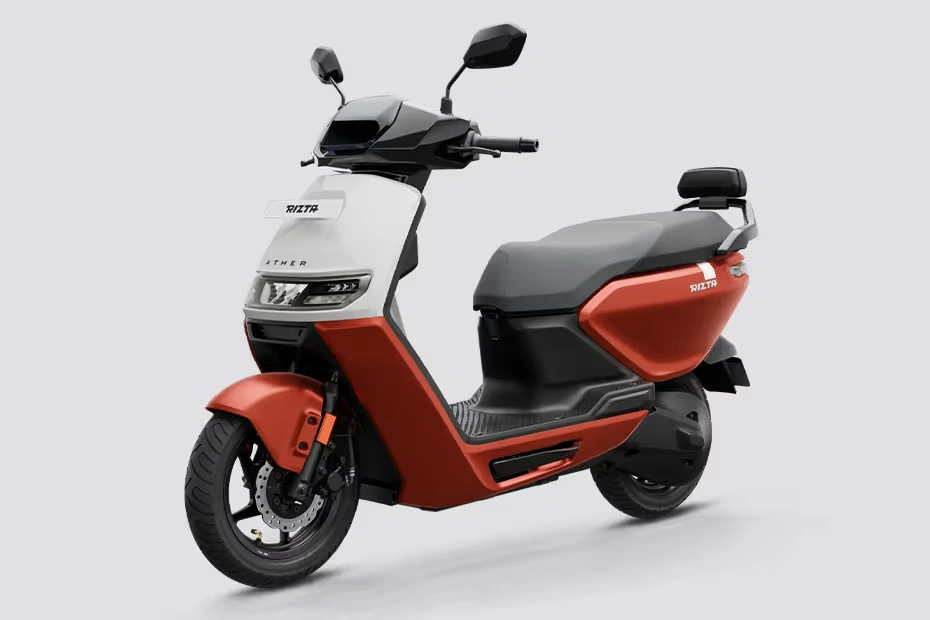
1. Ather Rizta (S & Z 2.9 kWh)
For years Ather was known for the 450 series. It was sharp, quick and highly aggressive. But lets be entirely honest it was a terrible scooter for a family. It was too small the suspension was stiff enough to hurt your back on broken road and the seat left zero room for a pillion. The Rizta is Ather’s massive U-turn to fix that exact problem. It is big, rounded and built for comfort.
The Real Specifications
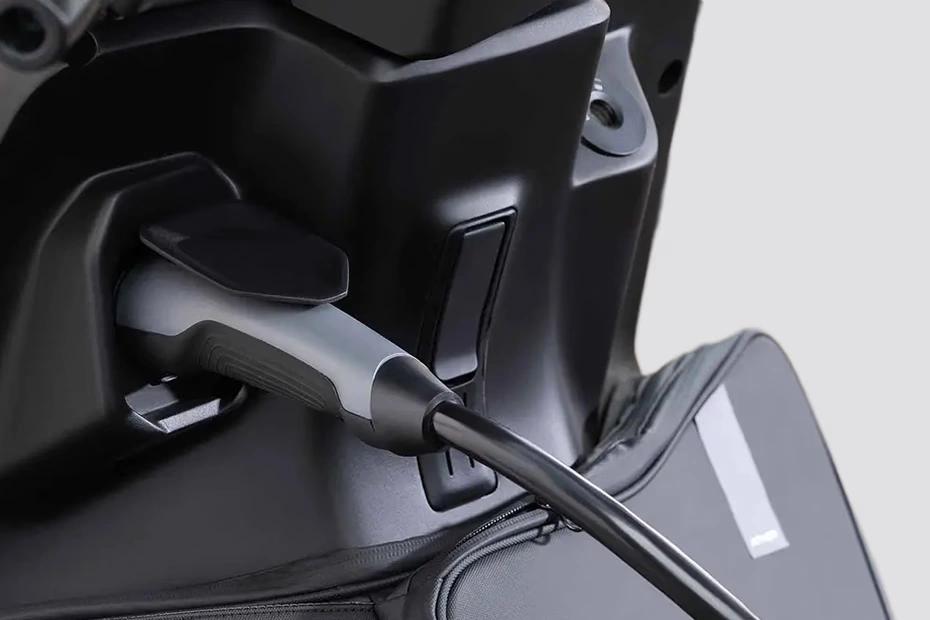
On paper the 2.9 kWh battery version claim an Indian Driving Cycle (IDC) range of 123 km. For real world forget that number. If you ride sensibly in Smart Eco mode expect a highly reliable 90 km. If you switch to Zip mode to keep up with fast moving in traffic that number drop to around 75 km. It top out at 80 km/h. Which is more than enough for city flyover. The down side is home charging it take a long 6 hours and 40 minutes to fill up from an empty battery using the basic 350W home charger.
On the Road: Ride and Comfort
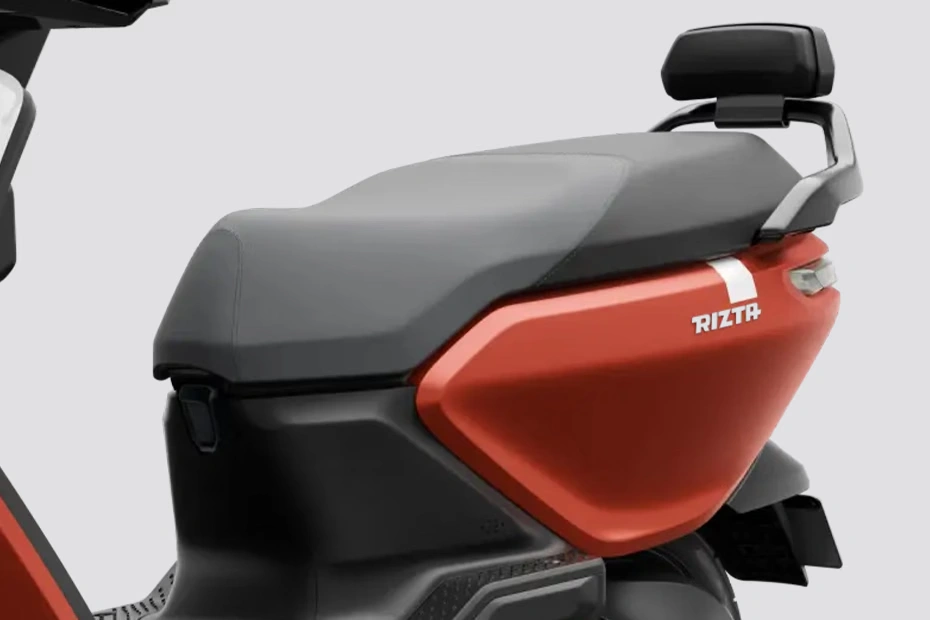
The absolute highlight of the Rizta is the seat. It is massive—easily the longest seat on any scooter in India right now. Two full-sized adults can sit with a massive gap between them, and you can still comfortably place a bag on the floorboard.
Ather also fixed the ride quality here. They softened up the suspension, so instead of crashing into potholes, the Rizta glides over them. The ground clearance is a solid 165 mm, meaning you won’t scrape the underbelly even when crossing those illegally high, unscientific speed breakers.

The Trade-offs
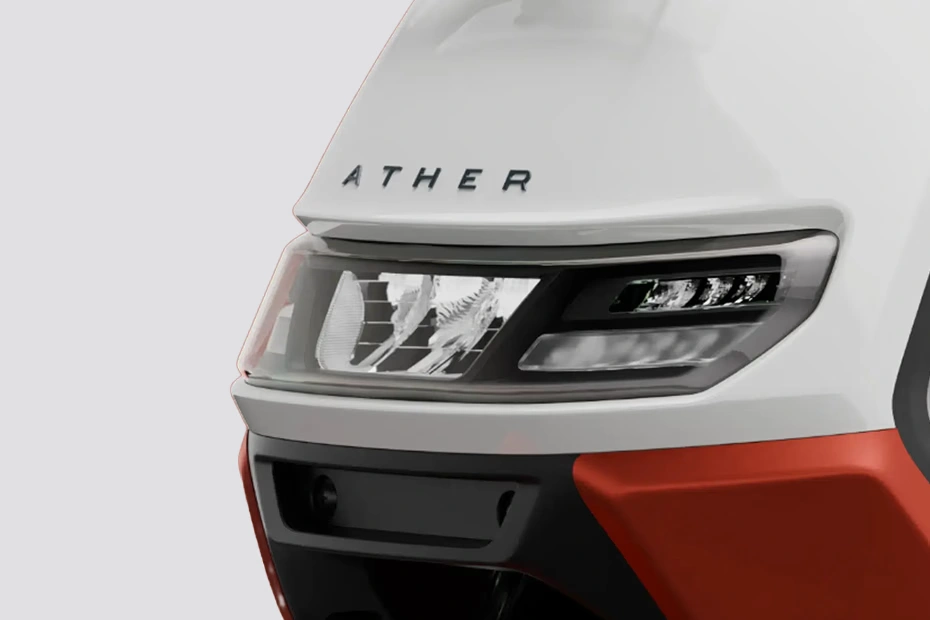
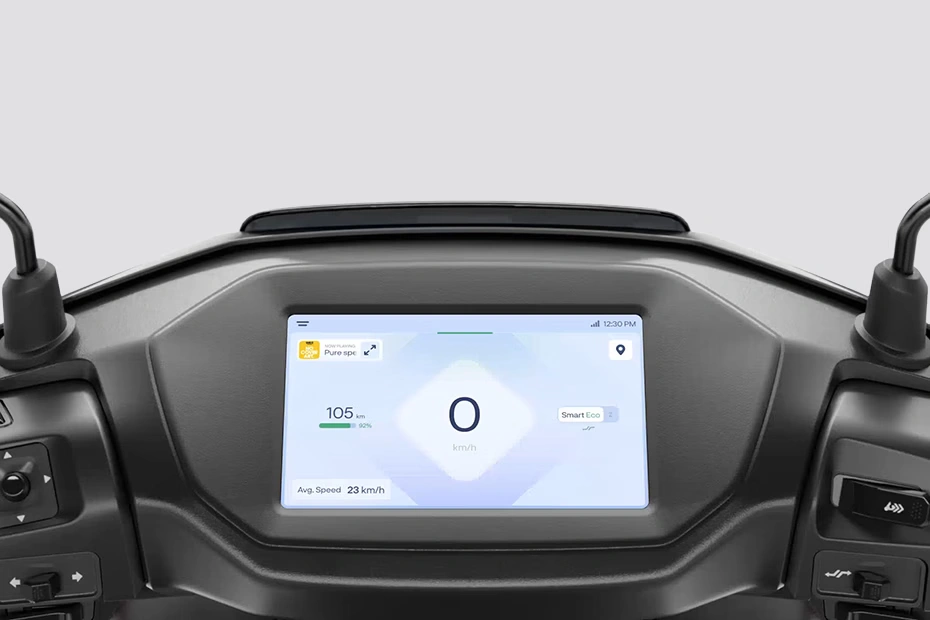
It isn’t perfect. The home charging is painfully slow compared to some rivals. Visually, it looks a bit blocky and plain from the rear angle. Also, keep an eye on the variant pricing. The base ‘S’ variant gives you a simple, old-school digital screen, while the ‘Z’ variant gives you a nice 7-inch display controlled by a handlebar joystick. However to get feature like hill hold which stop the scooter from rolling back on slope, you have to pay extra upfront for their Pro software pack.
Who it is for, Families office commuter carry heavy bags and anyone who value absolute comfort and predictable range over sporty handling.
Who should skip it: Younger riders looking for a quick, aggressive machine to zip through tight traffic gaps.
EpicWheel Rating: 8.5 out of 10
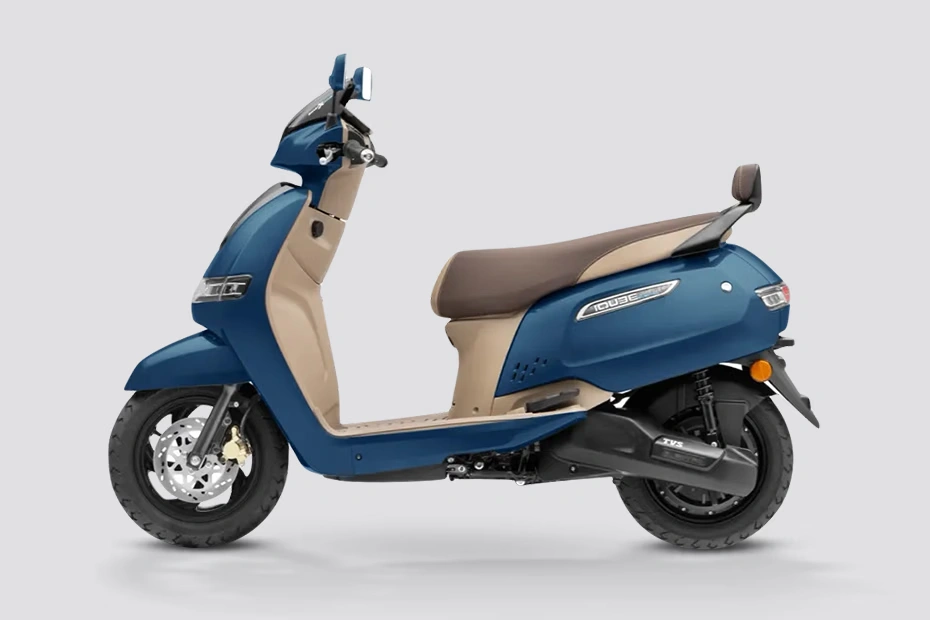
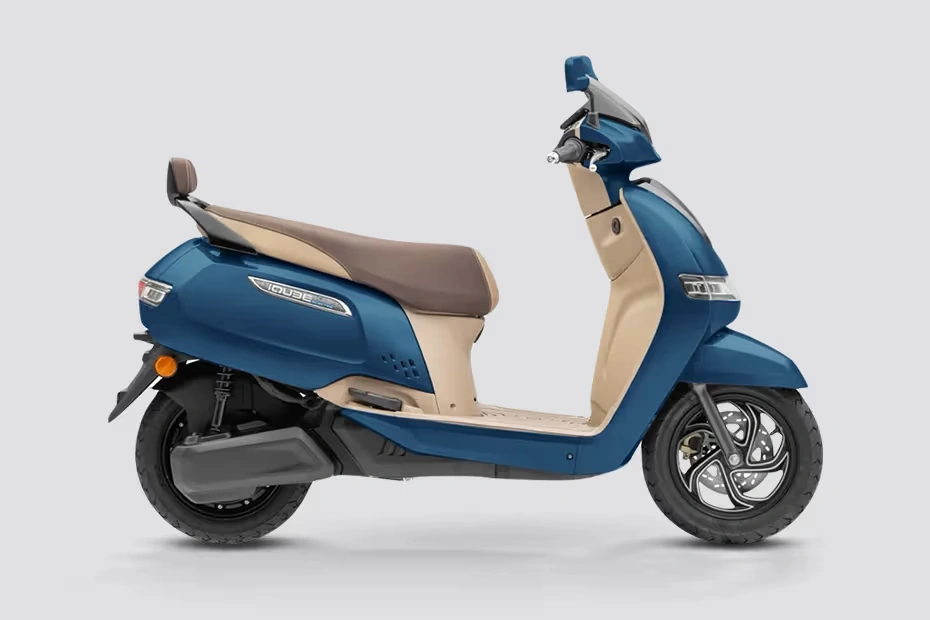
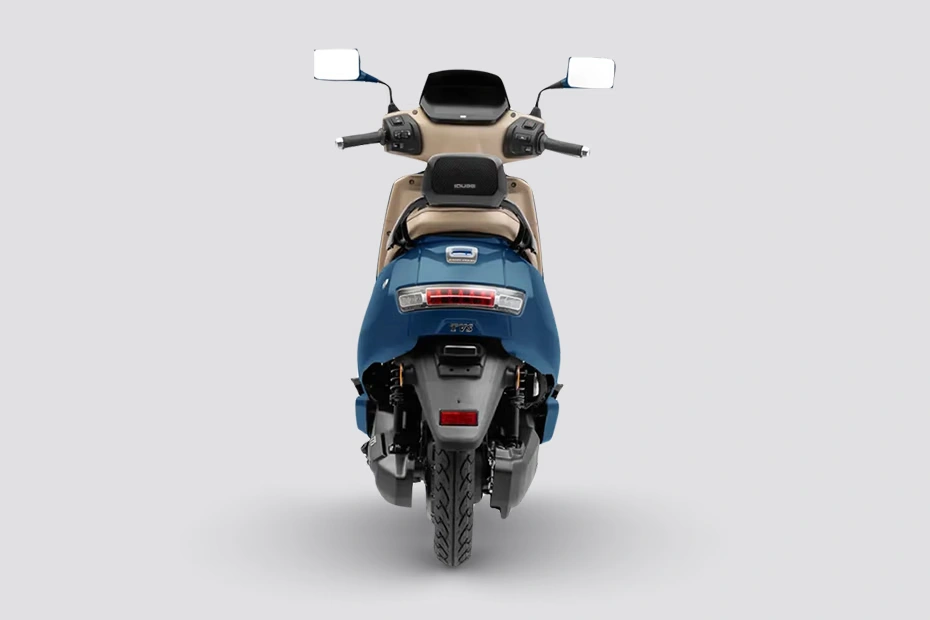
2. TVS iQube (3.1 kWh Standard / S)
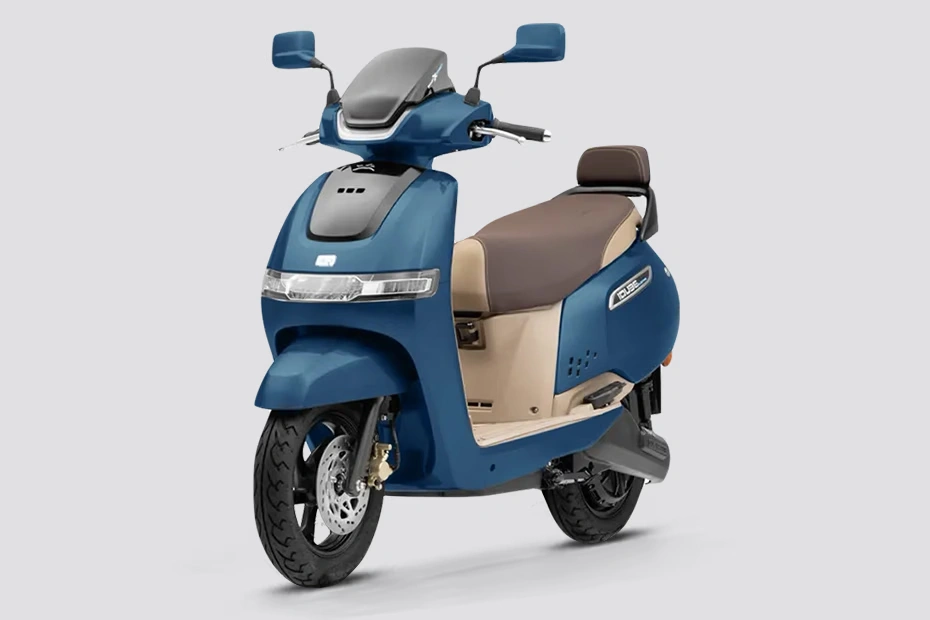
TVS played a very clever game with the iQube. While startups were trying to build spaceships on wheels, TVS simply built an electric version of their highly successful Jupiter. There is absolutely no learn curve here. You turn the key twist the throttle and it move exactly like a standard 110cc petrol scooter.
The Real Specifications
The 3.1 kWh version pack a hub motor that push out 4.4 kW of peak power. The official range claim sit at 100 km and surprisingly TVS is very honest here. In Eco mode, you will genuinely get around 93 km on a single charge. In Power mode expect about 75 km. It hit a top speed of 78 km/h. Because the charger is a meatier 650W unit it juice up the battery from zero to 80% in about 4.5 hours making it faster at home than the Rizta.
On the Road: Ride and Comfort
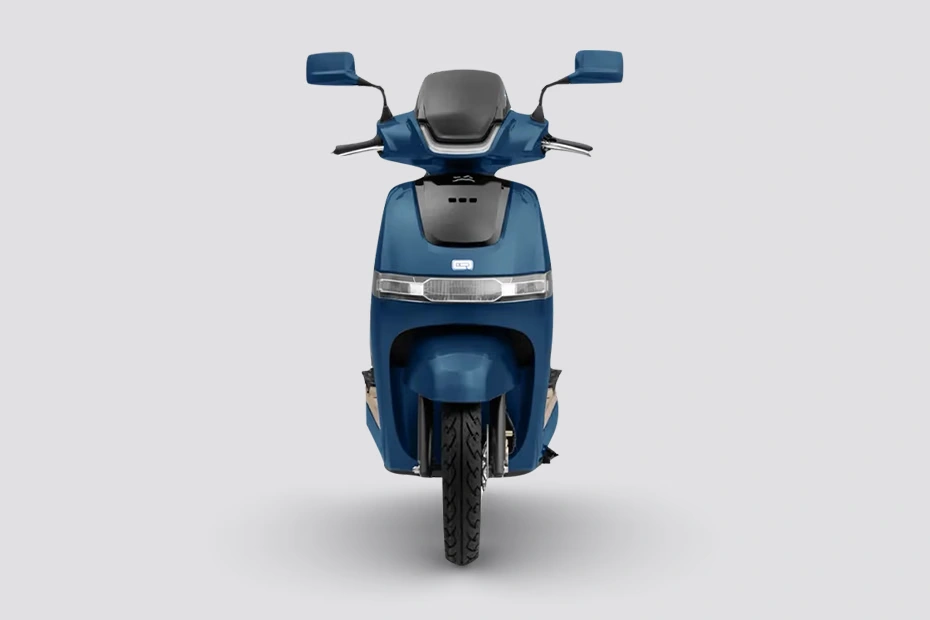
The iQube is incredibly quiet. Because it uses a hub motor sitting inside the rear wheel rather than a mid-drive belt system, there is no mechanical whine. It just glides in absolute silence.
The suspension uses traditional dual shock absorbers at the back. This setup handles heavy loads remarkably well. If you ride frequently with your spouse or carry heavy grocery the rear suspension won’t bottom out or feel mushy. The handlebar position is also excellent it sits high enough that it won’t hit the knee of taller rider when taking sharp U-turn.

The Trade-offs
Because the motor is mounted directly inside the rear wheel it add a lot of unspring weight to the back of the scooter. If you hit a sharp deep pothole at speed you will feel a prominent heavy thud at the rear. Additionally the under seat storage stand at 32 liters but because of the way the floor of the boot is shape, you cannot fit a standard full face helmet inside.
Who it is for, Buyer who want an absolute no nonsense appliance like vehicle back by a massive nationwide service network.
Who should skip it People who want high tech touchscreen feature onboard music speaker or aggressive performance.
EpicWheel Rating: 8.0 out of 10
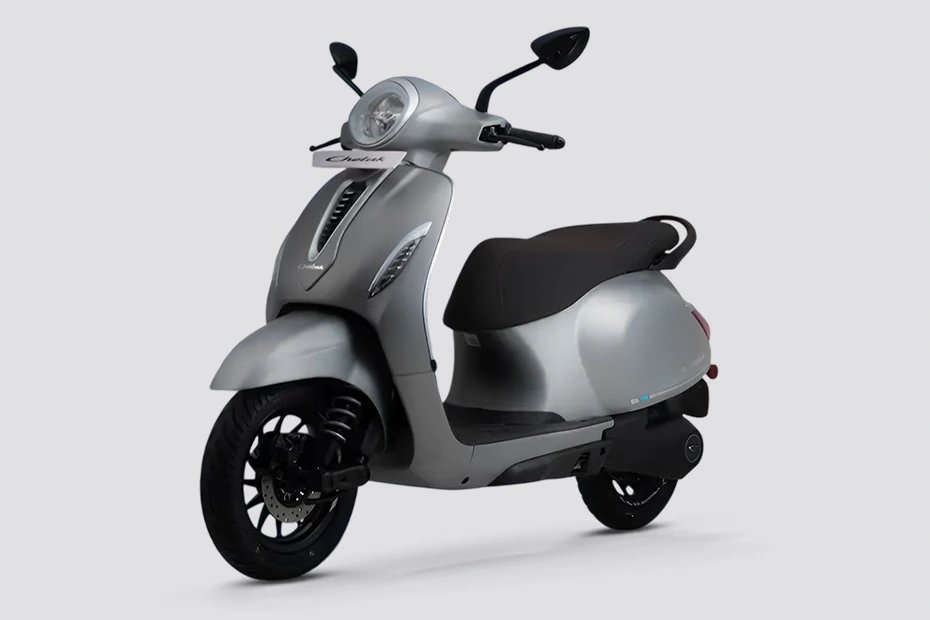
3. Bajaj Chetak (Premium)
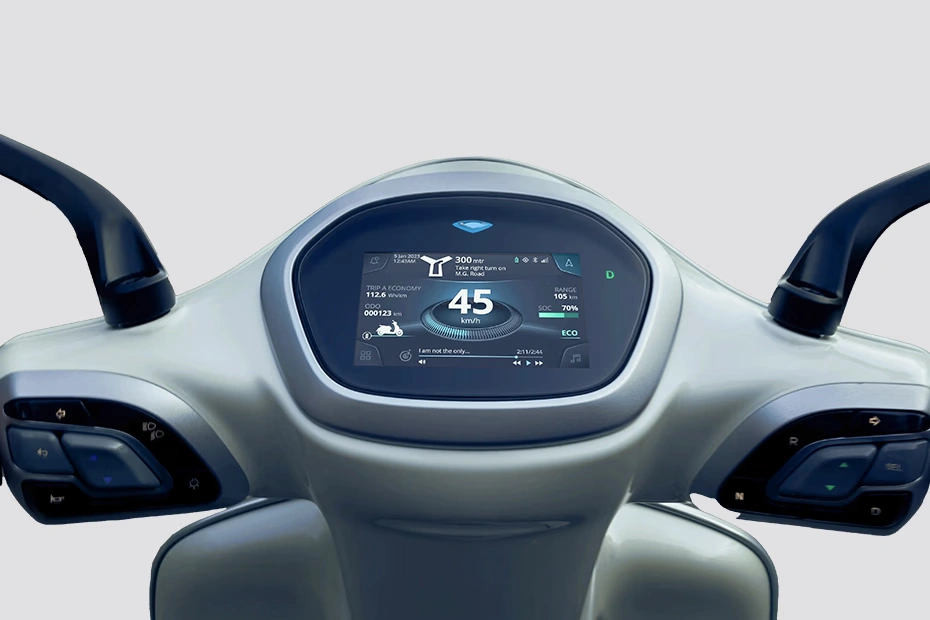
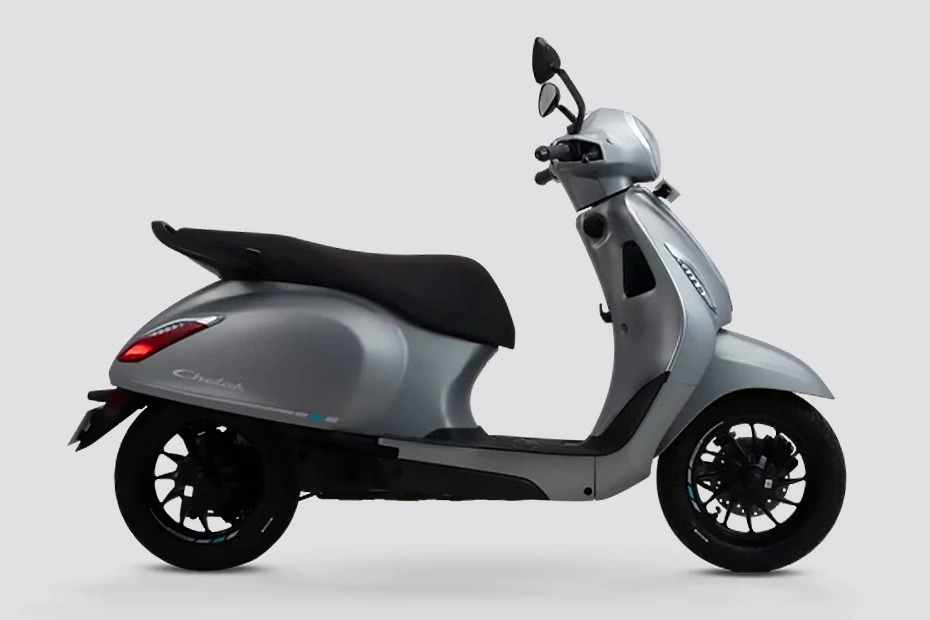
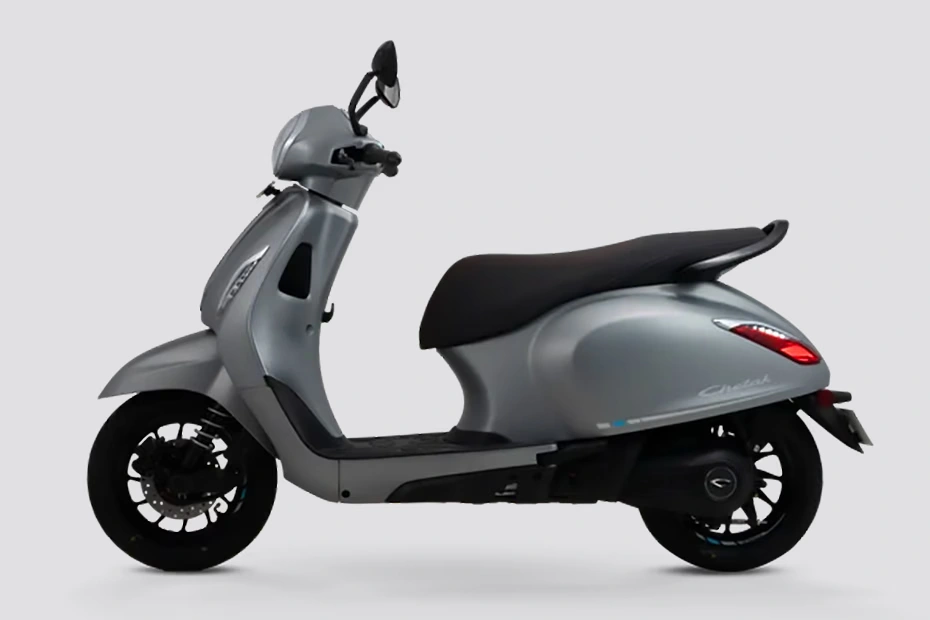
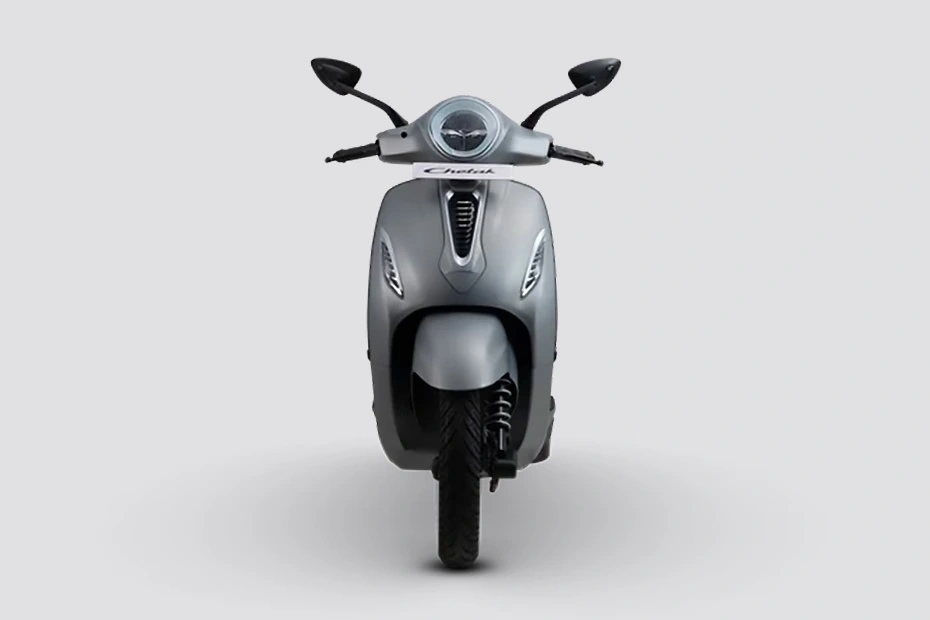
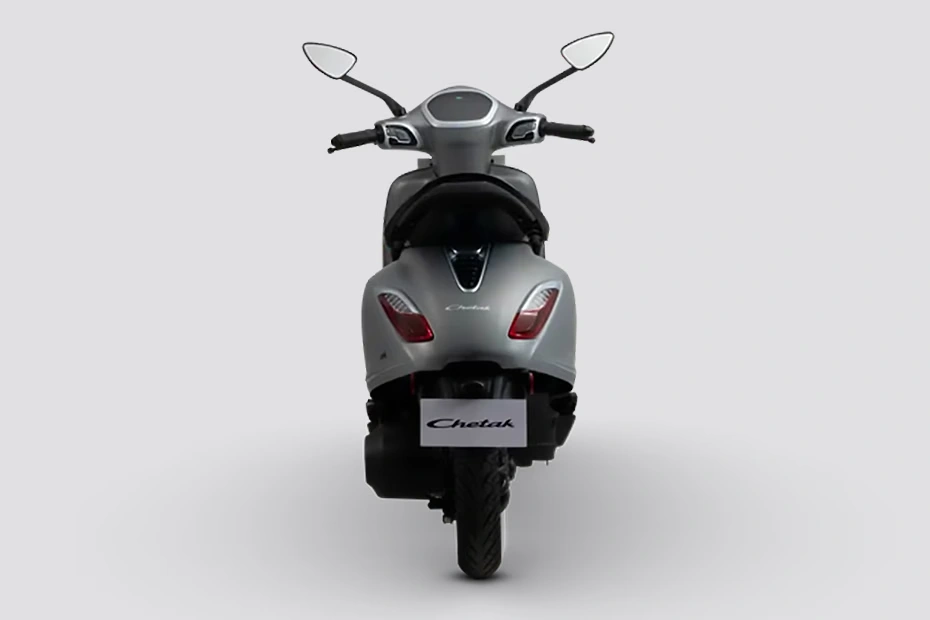
The Chetak is a legendary name plate in Indian household and Bajaj took a premium route for its modern rebirth. Instead of using plastic or fiber panel like almost every other EV on the market Bajaj went with an all metal sheet body. The moment you touch it or close the glovebox it feel heavy, solid and incredible premium.
The Real Specifications
The Premium variant come with a 3.2 kWh battery and a mid drive motor. The real-world range is quite solid giving you roughly 95 km in Eco mode and drop to around 80 km if you stay in Sport mode. It top out at a true 80 km/h. Where the Chetak really wins is the charging speed. It come with a built in 800W charger which top up the battery from an absolute flat zero to 100% in just under 4 hours right at home.
On the Road: Ride and Comfort
The Chetak looks like a modern Italian Vespa, and it rides with a lot of maturity. It uses a unique, single-sided front suspension setup. The big advantage here is that when you slam on the front disc brake, the front end doesn’t dive down aggressively, keeping the scooter very stable.
The sheet-metal body gives it a planted feel at high speeds, and you don’t have to worry about annoying panel rattles developing after a year of riding over bad roads.
The Trade-offs
That beautiful metal body comes with a weight penalty, making it slightly heavier to push around in parking slots. The biggest design flaw, however, is the storage space. The boot is just 21 litres, which is very small for this segment. Also Bajaj lock essential feature like turn-by-turn navigation and hill hold behind their TecPac software package. Which mean you have to give extra money over the base price segment to get the complete experience.
Who it is for, Style conscious buyer who want a beautiful robust built scooter that can survive crowd public parking space without getting its body panel cracked.
Who should skip to buy, people who need a lot of storage space like under the seat to carry shopping bag or helmet underneath.
EpicWheel Rating: 8.2 out of 10
The Math: What are you actually saving?
Let’s look at the actual running costs without any marketing fluff. Assume you do daily commute of 40 km. That add up to roughly 14,400 km a year.
If you ride a standard 125cc petrol scooter give you 45 km to a Liter and petrol cost ₹105 you are spend roughly ₹33,600 every single year just on fuel. Add another ₹5,000 for regular engine oil change, air filters, and routine service. Over 5 years your petrol scooter will swallow roughly ₹1.93 lakh in running cost.
Now look at any of these three legacy electric scooters. A full charge takes about 3.5 units of electricity. Even at a high domestic rate of ₹7 per unit, a full charge costs less than ₹25. To run 14,400 km you will spend roughly ₹3,920 a year on electricity. There is no engine oil to change no spark plug to replace and no belt to snap. Even if you factor in change brake pads and gear oil your 5-year running cost sits around ₹27,100.
That is a net saving of over ₹1.65 lakh over five years. Essentially, the scooter pays for its own purchase price just through fuel savings.
Things to Keep in Mind Before Buying
Don’t Fall for the IDC Range
When a sales man tell you a scooter goes 130 km on a charge look at the dash instead. Look for the “True Range” or “Eco Mode Range”. As a golden rule for Indian traffic, take the official claimed range and subtract 25%. That is your actual, real-world baseline.
Check for Software Paywalls
As mentioned with both Ather and Bajaj, the price you see on the board often changes when you want the smart features. Always ask the dealership, what feature will stop working if I don’t buy the software subscription pack? Make sure you know exactly what is include in the base price.
Which Legacy Scooter Wins Part 1?
Since we are strictly comparing the three traditional manufacturers in this section, the final choice comes down to what you need out of your garage:
If your priority is a comfortable family vehicle with a massive seat and huge storage space, buy the Ather Rizta.
If you just want a simple quiet, no nonsense scooter that feel exactly like a petrol vehicle and has a wide service network get the TVS iQube.
If you want premium build quality, time less retro look and fast home charging speed go with the Bajaj Chetak.
In Part 2 of this guide, we will step away from the traditional legacy players to look at the tech-heavy disruptors and alternative charging models, breaking down the performance-focused Ola S1 Pro (Gen 2), the apartment-friendly Hero Vida V2 with its removable batteries, and the brand-new swappable Honda Activa e.
Be the first to comment
Leave a Comment
Please log in as a subscriber to leave a comment.
Login to Comment