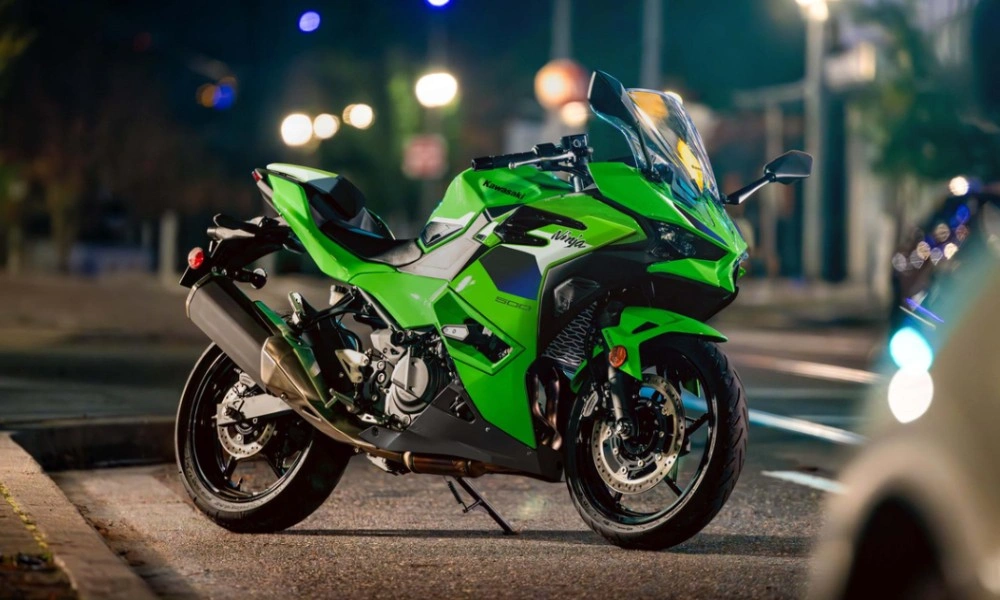
Kawasaki has updated the Ninja 500 in 2027 India. The price remain ₹5.76 lakh ex showroom and the motorcycle now come in a new Lime Green colour with contrasting graphics.
That’s pretty much the headline.
There is no new engine hiding underneath the fairing and no major change to the chassis either. The 451cc parallel-twin engine, six-speed gearbox and rest of the mechanical package continue as before. BikeWale has also confirmed that the 2027 motorcycle remains mechanically unchanged.
That may sound like a small update and it is. But the Ninja 500 itself is still an interesting motorcycle especially for someone look to move into the middle weight segment without buy a much larger machine.
Kawasaki Ninja 500 price and colour
The Kawasaki Ninja 500 is price at ₹5.76 lakh ex showroom in India.
Kawasaki’s Indian website list the Standard version in Lime Green. The new colour use the familiar Kawasaki green base with contraste graphic giving the bike a noticeably sporty appearance.
There is something slightly funny about this launch. Kawasaki has called it a 2027 model but if you were expect a long list of change because of the new model year you won’t find one.
The price hasn’t moved either.
For buyers, that actually makes the decision fairly simple: if you liked the existing Ninja 500, the new colour is the main reason to look at this year’s bike.
You can also check the latest bike news on Epic Wheels if you’re comparing it with other motorcycles in India.
The 451 cc engine is still the main attraction.
The Ninja 500 continue with Kawasaki’s 451cc liquid cool parallel twin engine.
It produce 45 PS at 9,000 rpm and 42.6 Nm at 6,000rpm with the engine send power through a six speed gearbox. The bike also get an assist and slipper clutch.
Those numbers put it in a useful middle ground.
You get considerable more engine than the typical 300 – 400cc sport bike but the Ninja 500 doesn’t have the intimidating size or outright performance of a 600cc supersport.
Kawasaki has also tune the engine to be usable across a broad rev range. That matter more on the road than have a big peak power number sitting at the top of the tachometer.
For a daily rider have usable torque in normal ride condition is far more valuable than constant chase the redline.
How much fuel does the Ninja 500 uses?
Kawasaki list fuel consumption at 3.8 litres per 100km. That work out to roughly 26.3km/l.
Real world mileage natural won’t be identical for every one. A Ninja 500 ridden mostly in bumper to bumper traffic will return a different figure from one spend most of its time cruising on the highway.
The fuel tank holds 14 litres so the bike should have a useful toure range if you ride it sensibly.
One small feature worth mentioning is Kawasaki’s Economical Riding Indicator. The system gives the rider an indication when the current riding conditions are favourable for fuel efficiency.
It isn’t going to magically improve your mileage, but it can be useful if you’re trying to stretch every litre.
785mm seat height should make life easier
Sport bike can look approachable in photograph and turn out to be quite different when you actually sit on them.
The Ninja 500 has a 785mm height seat. Kawasaki has also kept the seat and the rear portion of the engine relatively slim which help the rider get their feet down more easily.
That is a useful detail for Indian rider deal with traffic uneven road and the occasional awkward parking spot.
The bike’s list curb mass is around the 170kg mark while Kawasaki’s own technical information highlight the lightweight trellis chassis as a key part of the motorcycle’s handling.
It isn’t a feather weight motorcycle but it also doesn’t feel like Kawasaki has built a 500cc machine around sheer bulk.
What equipments does the Ninja 500 get?
The feature list is sensible rather than excessive.
You get:
- Smartphone connectivity
- Assist and slipper clutch
- ABS
- Economical Riding Indicator
- Kawasaki RIDEOLOGY app compatibility
- 310mm front brake disc
- Trellis frame
The smartphone connection can show things such as vehicle information, maintenance details and riding logs through Kawasaki’s application.
The 310mm front disc is another interesting piece of hardware. Kawasaki says it is the same diameter used on the Ninja ZX-6R.
Of course the size of a brake disc alone doesn’t tell you how a motorcycle feel under brake. Still it’s good to see Kawasaki giving the Ninja 500 proper braking hardware rather than treat it like an entry level sport bike.
What is the riding position like?
This is one of the area where the Ninja 500 differ from more aggressive supersport motorcycle.
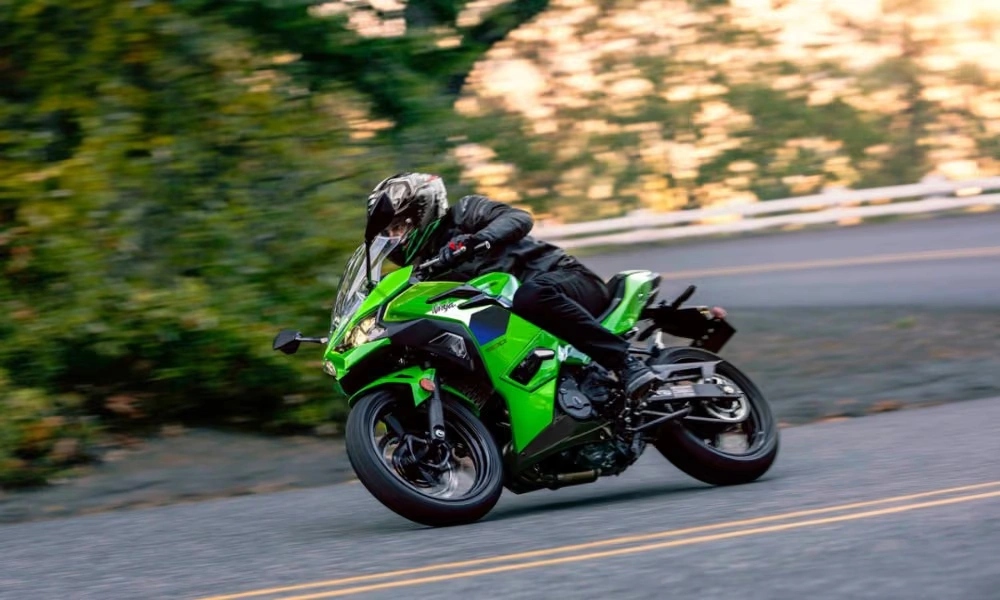
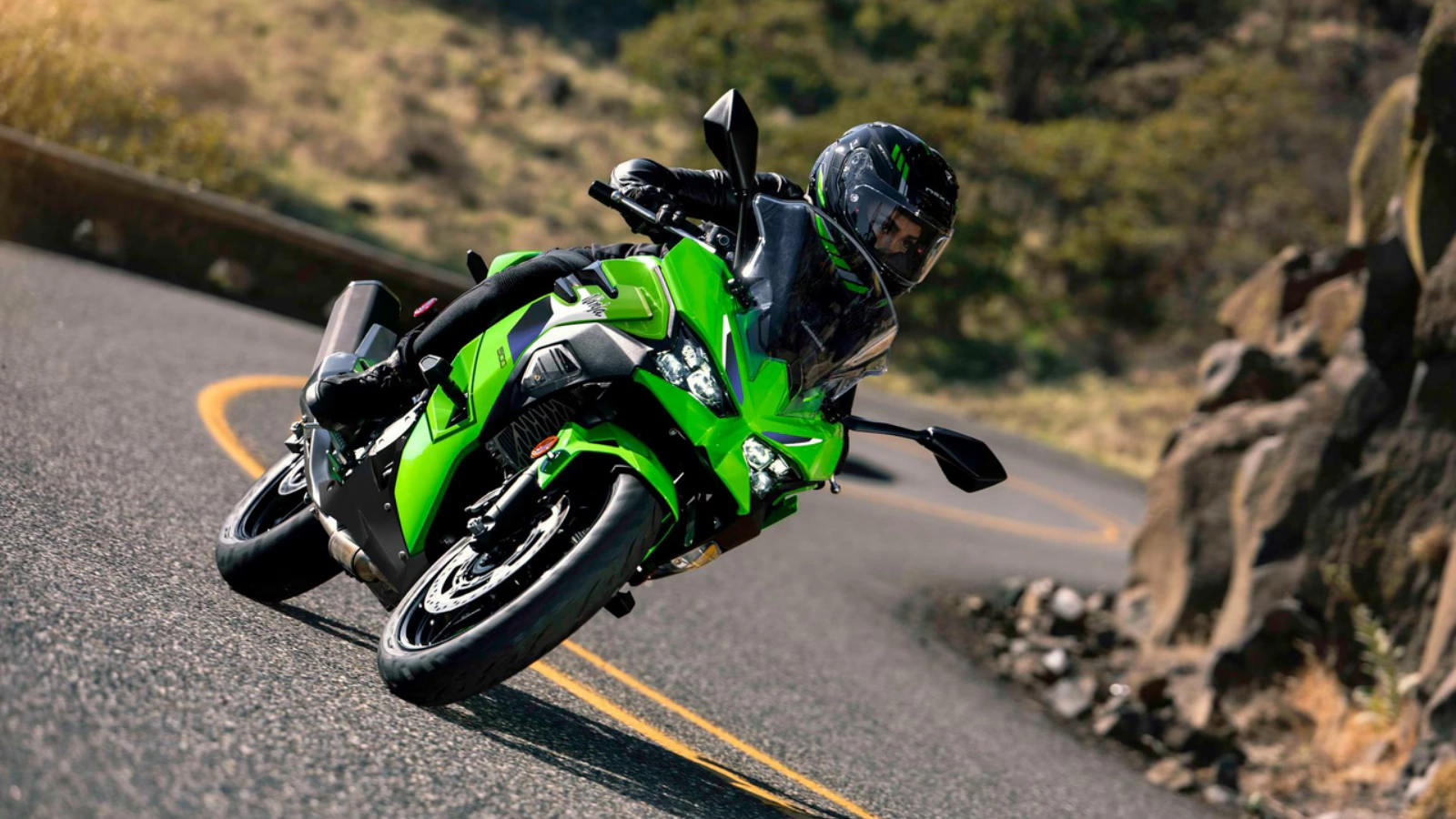
Kawasaki describe the riding position as relax and sporty with a relatively elevate handlebar position and slightly forward set footpeg. The idea is to give the rider control without force them into an extreme posture.
For someone who plan to ride to work during the week and head out for a highway ride at the weekend that sound like a reasonable compromise.
The full fair also provide some wind protection which is something you appreciate much more after spend an hour on an open highway than you do while look at the bike in a showroom.
Should you buy the 2027 Ninja 500?
If you’re buying a Ninja 500 for the first time, there is still plenty to like here.
The engine has enough performance to make the bike genuinely quick, the riding position isn’t extreme, the seat isn’t particularly tall and Kawasaki hasn’t forgotten the everyday stuff such as ABS and the slipper clutch.
But existing Ninja 500 owners have a different question to answer.
There isn’t much here to justify changing bikes.
The 2027 update is primarily cosmetic. BikeWale reports that the design and mechanicals remain unchanged, with the new Lime Green paint being the significant update for India.
So if your current Ninja 500 is running perfectly, there is little reason to rush to a showroom just because the calendar has changed to 2027.
For a new buyer, though, the situation is different.
At ₹5.76 lakh, you are getting a 451cc twin-cylinder sports bike with 45 PS, a six-speed transmission, ABS, a slipper clutch and Kawasaki’s distinctive Ninja styling.
That combination is still pretty appealing.
2027 Kawasaki Ninja 500 specifications
| Detail | Ninja 500 |
|---|---|
| Engine | 451cc parallel-twin |
| Power | 45 PS @ 9,000rpm |
| Torque | 42.6 Nm @ 6,000rpm |
| Gearbox | 6-speed |
| Fuel tank | 14 litres |
| Seat height | 785mm |
| Front brake | 310mm disc |
| Front tyre | 110/70 R17 |
| Rear tyre | 150/60 R17 |
| Price | ₹5.76 lakh ex-showroom |
The bottom line
The 2027 Ninja 500 isn’t a major mechanical update. Kawasaki hasn’t increase the engine capacity add a new electronic package or change the chassis for the Indian market.
Instead it gets a fresh Lime Green finish while keep the same basic motorcycle underneath.
And that’s fine.
The Ninja 500 already occupy an interesting spot for rider who want a proper sport bike but don’t want to jump straight into a much more demand machine. The 451cc twin has enough punch while the 785mm seat and relatively compact chassis make the bike less intimidate than its aggressive styling suggest.
If you’re consider buying one my suggestion is simple go ride it before you decide. Sit on it, try the clutch in traffic move it around a parking area and spend enough time on the road to see whether the riding position works for you.
The brochure will tell you that it makes 45 PS.
A test ride will tell you whether you actually want to live with it.
For more new-bike launches, comparisons and motorcycle stories, you can browse the Epic Wheels Bikes section or the site’s latest news section.

Be the first to comment
Leave a Comment
Please log in as a subscriber to leave a comment.
Login to Comment