
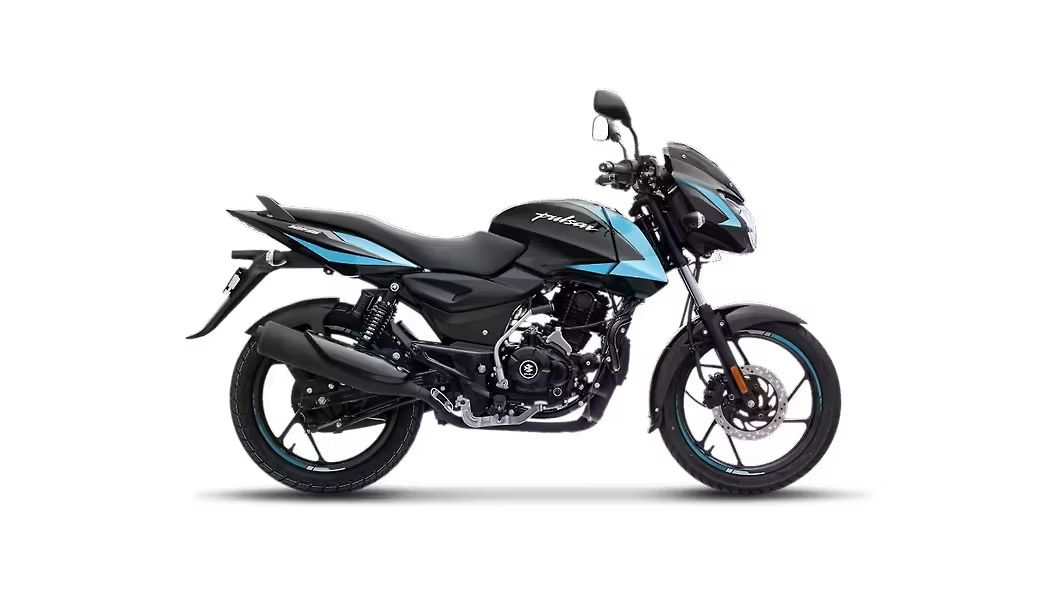
Let’s cut right most 125cc motorcycle are boring. They get built purely for high mileage which usually mean paper thin tire, skinny frame and design style that look like it hasn’t change since 2005. They do the job sure but you never actually look back at them after parking.
That is exactly why the Bajaj Pulsar 125 sell so well.
Bajaj basically took the muscular chassis of their classic Pulsar 150 pull out the bigger engine and drop in a smaller fuel sip 125cc motor. You get the heavy tank, the wide stance and that signature aggressive front end but you pay 125cc fuel price at the pump.
If you pick out a daily ride for college or crawling through chaotic morning traffic this bike try to bridge the gap between pure utility and actual style. Here is how it holds up when you actually throw a leg over it.
Looks and Presence Big Bike Feel on a Budget
Walk up to the bike in a parking lot and it doesn’t feel like a entry level budget commuter. It has real weight and width. Bajaj stuck with the core design feature that made the original line up famous the sharp wolf eyed head light cowl beefy tank extensions and the twin LED taillight at the back.
Park it next to a 150cc bike and honestly almost nobody is going to tell the difference unless they look directly at the side decal. That extra metal give you a ground confident feel when you’re filter through heavy traffic alongside large truck.
If you like reading straightforward two-wheeler guides, comparisons, and long-term ownership updates, check out Epic Wheels for more community insights.
Engine Power and Road Performance
Underneath that muscular body work sit an air cooled motor design specifically to balance low end torque with smooth power output.
- Engine: 124.4 cc single-cylinder, air-cooled
- Max Power: ~11.8 PS @ 8,500 RPM
- Max Torque: 10.8 Nm @ 6,500 RPM
- Gearbox: 5-speed manual
- Fuel Setup: Electronic Fuel Injection
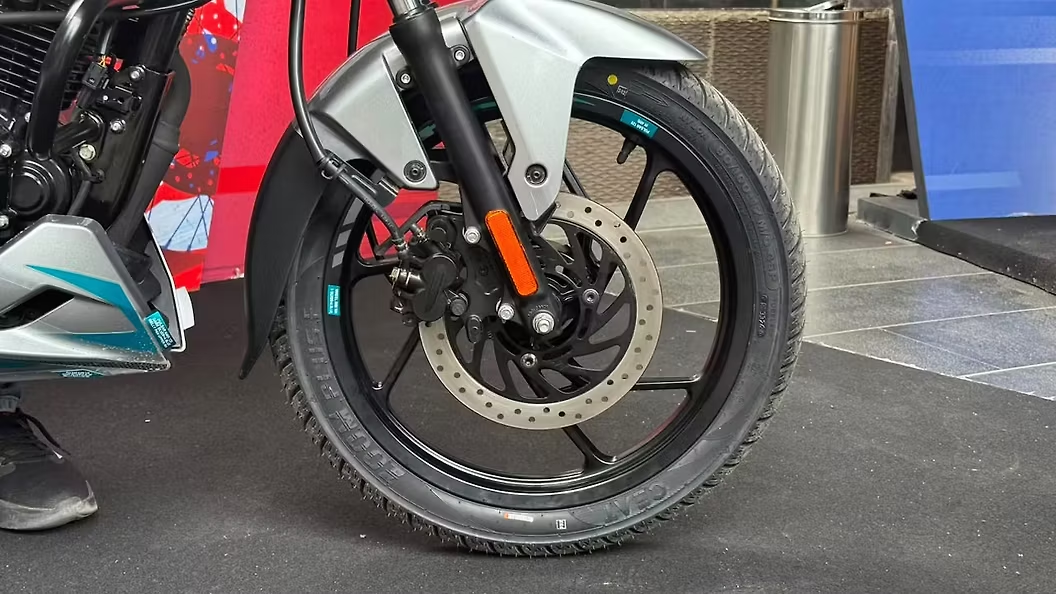
- Brakes: Combined Braking System (CBS) with optional front disc
- Suspension: Telescopic front forks, twin rear shocks
How It Pulls in Real Life
Making 11.8 PS doesn’t sound like a lot on a spec sheet but the way Bajaj tune the torque distribution matter. The motor has enough low end grunt that you don’t have to keep stomp down the gear lever every time traffic slow to a crawl.
The 5 speed gearbox is a massive win here. A lot of basic 125cc bike stick to a 4 speed box which leave the engine scream at higher RPM once you hit open stretche. That fifth gear let the engine settle down cruising comfortabe between 60 km/h and 70 km/h without shake your hand numb.
Real World Mileage, How Much Cash Will You Save?
At the end of the day nobody buy a 125cc bike to drag race. You buy it so fuel cost don’t eat your entire salary or allowance.
Ridden normal mix stop and go city traffic with open ring road you can easily expect 45 to 55 km/l. Pair that with the 11.5 litre fuel tank and you can easily cross 500 kilometer before you even need to think about find a gas station.
If you keep your wrist calm and avoid constant pin the throttle it turn into a genuine cheap machine to run every month.
Trim Choice and Riding Ergonomics
Bajaj sell a few variant depend on what you care about most
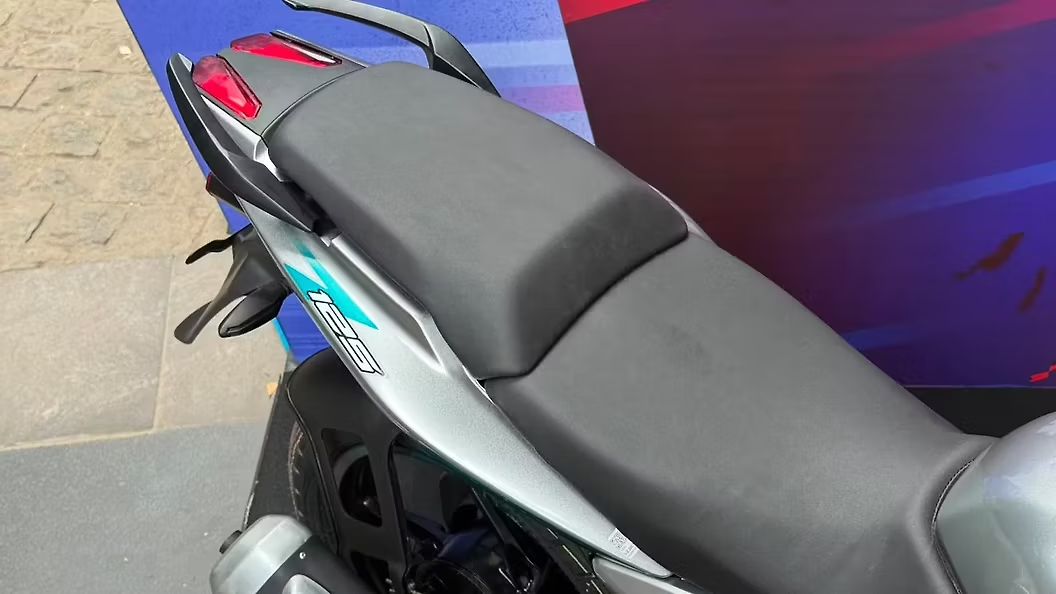
Single Seat Variant, Use a traditional flat seat profile. The handle bars sit higher keep your posture upright and relax. It’s the practical pick if you frequently carry a pillion passenger or family member.
Split Seat Variant, Get separate rider pillion seat split grab rail and clip on handle bar. It lean you forward slight give a sportier feel.
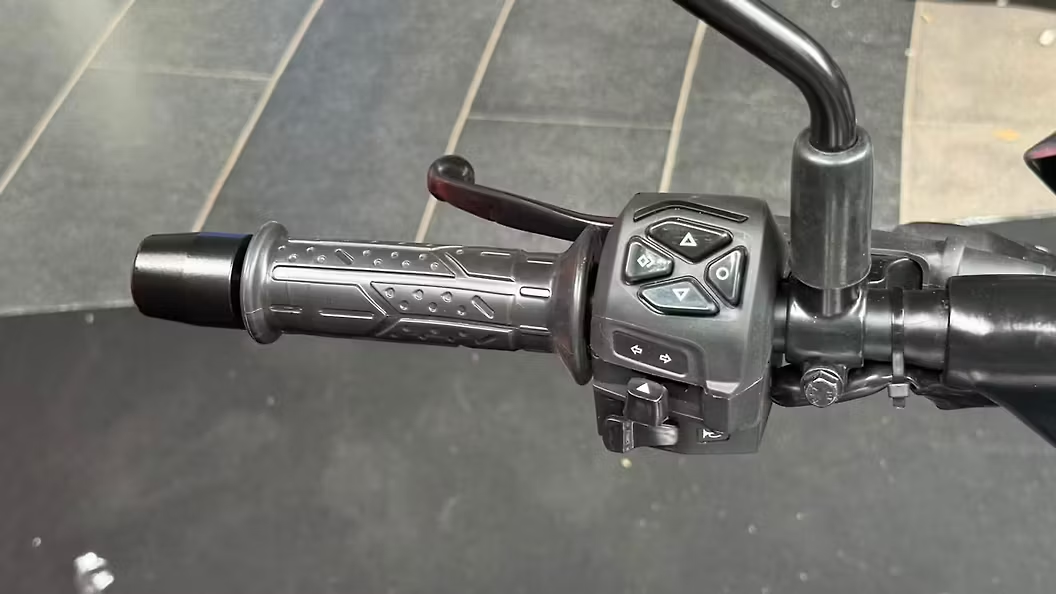
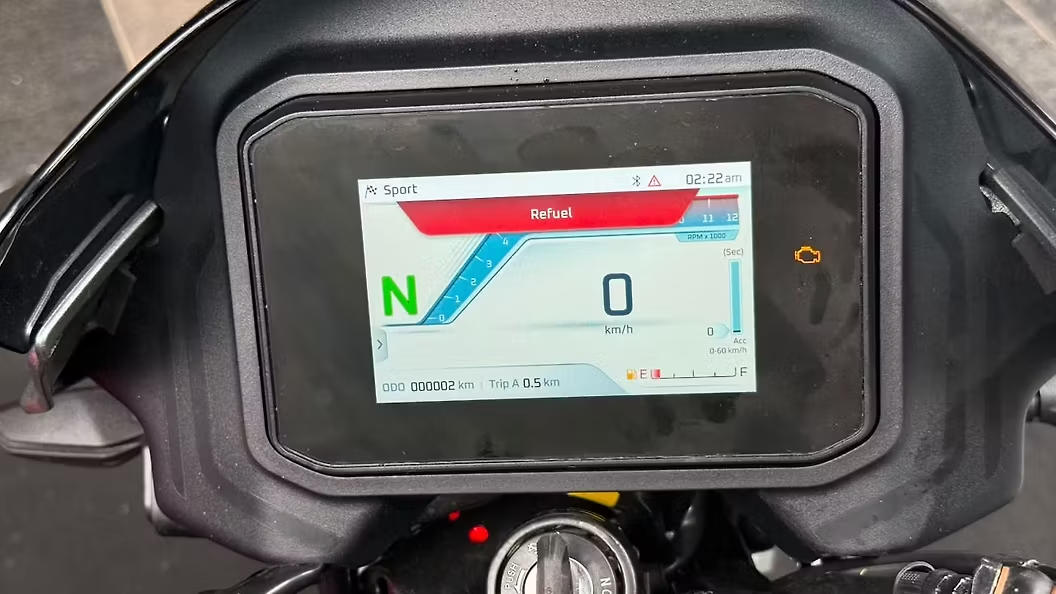
Tech Digital Trim, Modern trim feature a digital dash live fuel consumption readout distance to empty meter and Bluetooth phone alert.
The clip on bar on the sportier trim give you an engage feel but they aren’t aggressively low mean your wrist and lower back won’t complain after a 45 minute commute.
The Raw Truth: Good Points vs. Annoyances
No motorcycle is perfect. Here is a direct breakdown of the good and bad:
What Works Well:
- Proper “big bike” presence that looks way more expensive than it is.
- Heavy chassis gives solid high-speed stability on windy days or open roads.
- 5-speed transmission keeps engine vibes low at 60+ km/h speeds.
- Parts are dirt cheap and every local mechanic knows how to work on them.
What Annoys Us:
The extra metal means it is noticeably heavier than light commuters like a Honda Shine—you feel that extra mass when pushing it around tight parking spots.
Missing single-channel ABS (uses CBS braking instead).
Final Verdict Is It Worth Your Money?
Look if your only goal in life is get from Point A to Point B on the absolute minimum amount of fuel go buy a basic entry level commuter.
But if you actually care about what your bike look like want a sturdy machine that feel planted at speed and still need great mileage the Bajaj Pulsar 125 lands right in that sweet spot. It deliver the classic Pulsar experience without demand a big bike fuel budget.
Drop by a dealership jump on the saddle and take one out for a 15 minute spin to see if the weight and seat position feel right for you.
Be the first to comment
Leave a Comment
Please log in as a subscriber to leave a comment.
Login to Comment