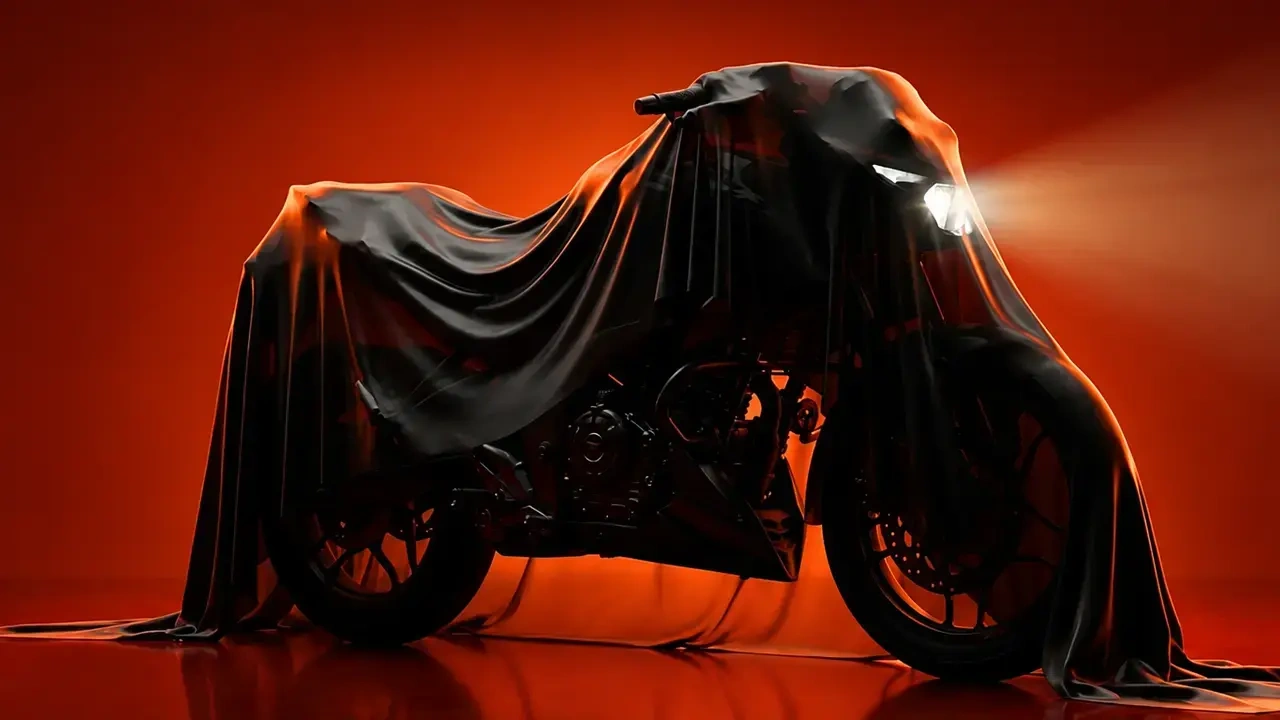
If you grew up in India anytime over the last twenty five year chance are you or someone in your neighborhood owned a Pulsar. That iconic muscular tank and signature exhaust note practically define sporty daily commuting for million of us. But let’s be honest for a second the classic Pulsar shape has been feeling a bit date late.
Well the wait for a real upgrade is final coming to an end. Bajaj Auto confirm launch for next generation pulsar model on August 12 and the official invite tease a massive shift.
Instead of just slap on new sticker or tweaking a color shade like they have done a few time in the past Bajaj seem ready to give it core bread and butter bike a proper ground-up update.
Why This Launch Actually Matter
Now you might ask didn’t Bajaj just launch the N160 and N250 recently?
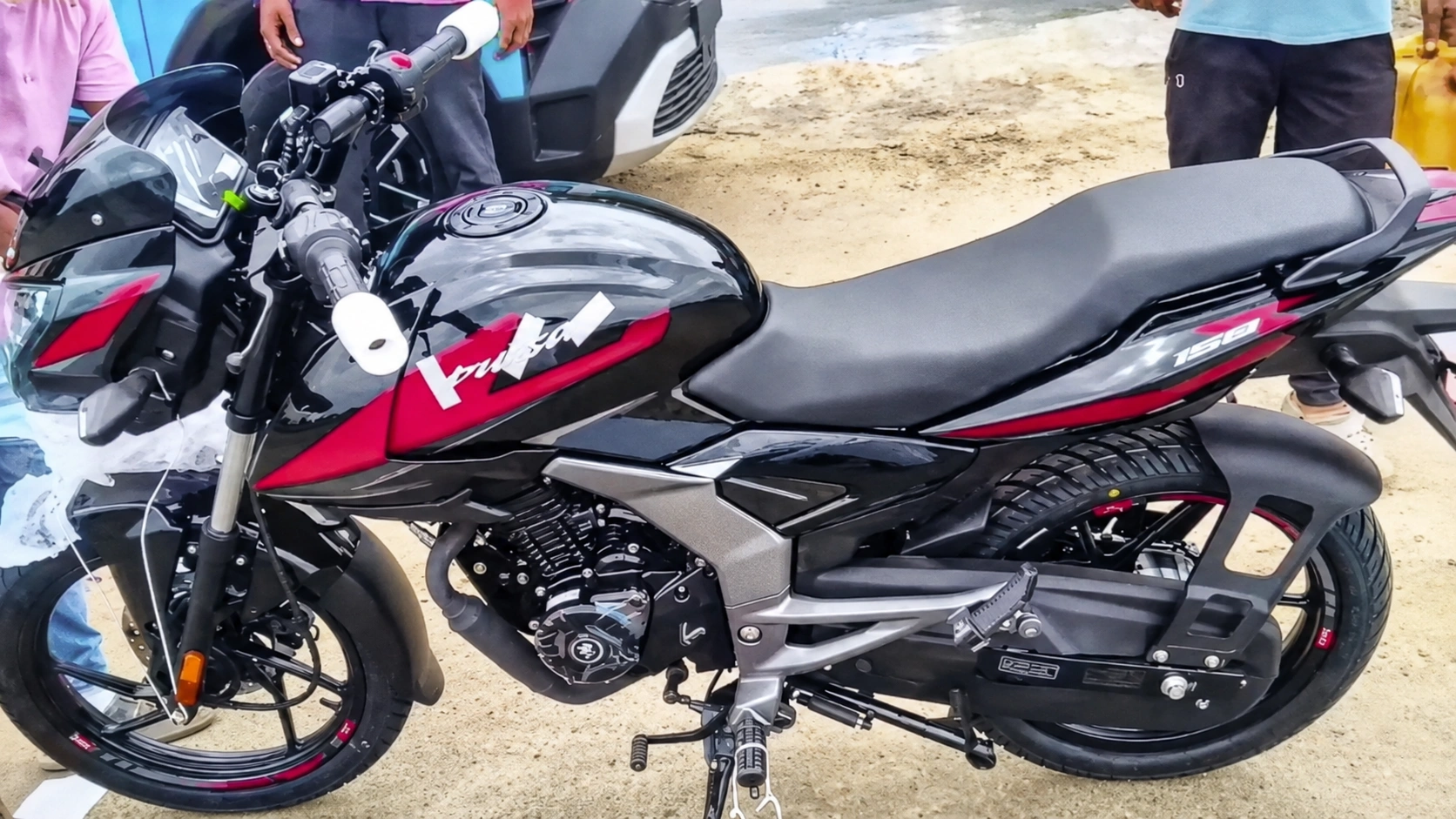
Yes they did. But those newer N serie and NS serie bike catered to a slightly different buyer. The traditional “Classic” Pulsar 150 and 125 line up still account for a huge chunk of Bajaj monthly sale volume. People love them because they are reliable, cheap to maintain and comfortable on bad road.
However, that underlying twin-spark engine platform and frame have been around for a long time. Rivals like TVS with their Apache RTR series and Hero with the Xtreme have stepped up their tech game big time. Bajaj simply had to respond, and August 12 is when we see their move.
What Changes Under the Tank? (Specs & Power Breakdown)
The real story here isn’t just cosmetic shrouds; it’s about what’s happening underneath. Engineers have been working on squeezing better energy efficiency and cleaner power delivery out of these air-cooled motors.
Here is a quick look at how the out going Pulsar 150 number compare to what we genuine expect from the upcoming model.
- Engine Capacity, Current model use a 149.5cc air-cooled unit. The next gen version will like stick close to this or tweak it slightly toward a 160cc displacement derivative to match modern emission standard.
- Power Output, The current motor produce roughly 13.8 BHP at 8,500 RPM. We expect the new engine tuning to push closer to 14.5 or 15 BHP giving it better punch when pass heavy traffic.
- Torque Up from 13.25 Nm to around 14 Nm but crucial tune will like bring that torque lower down the rev range so you don’t have to keep down shift.
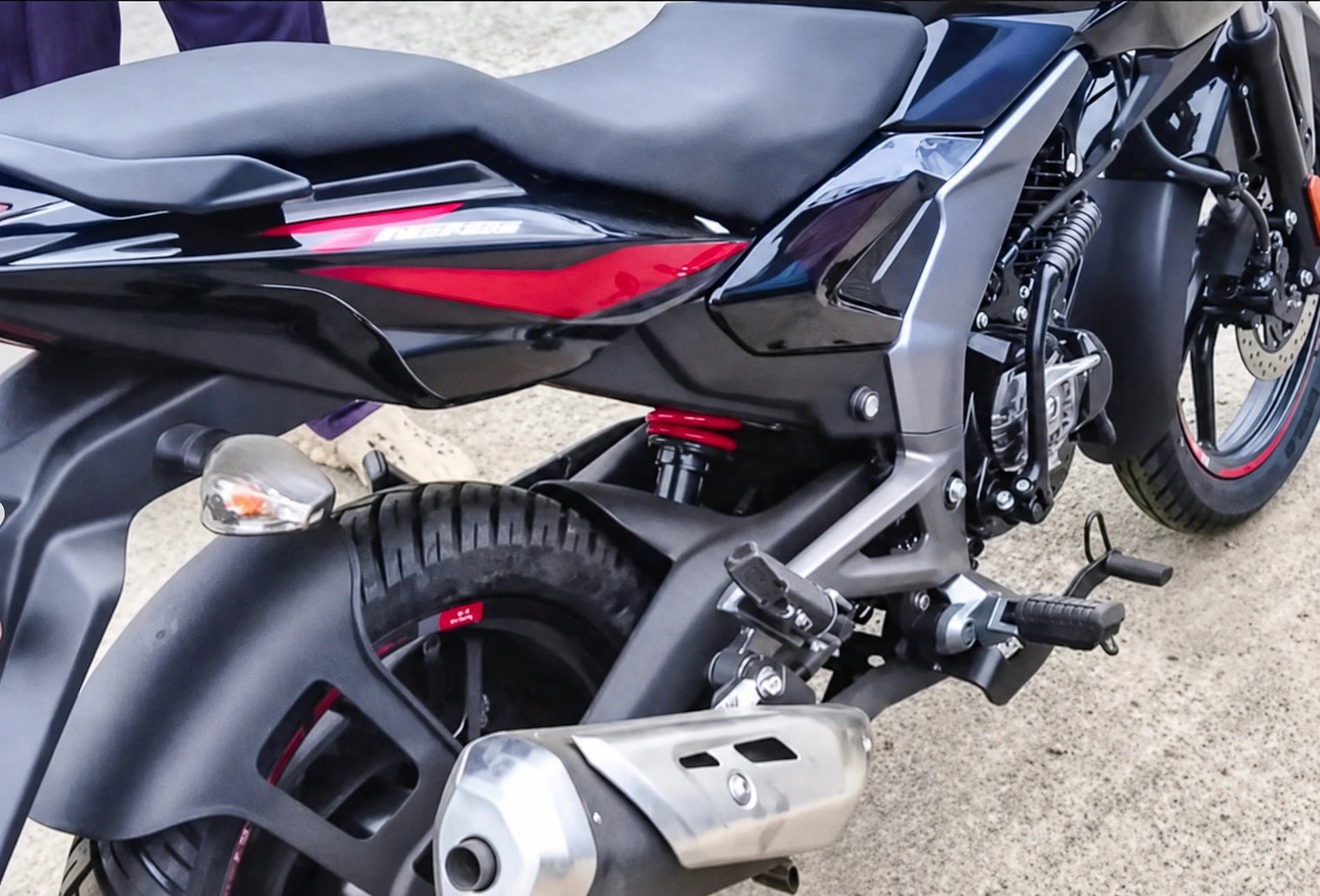
- Rear Suspension Move from the age old twin gas shock to a modern monoshock.
- Chassis Shift away from the heavy double cradle frame to a lighter stiffer perimeter or diamond type layout.
There is also seriou chatter in the automotive circuit about Bajaj test flex fuel (E85 compliant) engine. Given how fast fuel blend regulation are chang in India debut a greener engine variant on their flagship volume seller make complete business sense.
If you are currently comparing different daily commuters and want to dive deeper into practical buying advice, checking out comprehensive two-wheeler insights on Epic Wheels will give you a solid head start before visiting showrooms.
Features We Expect to See on August 12
Bajaj knows that younger buyers care just as much about screens and tech as they do about top speed. Here is what I am confident we will see:
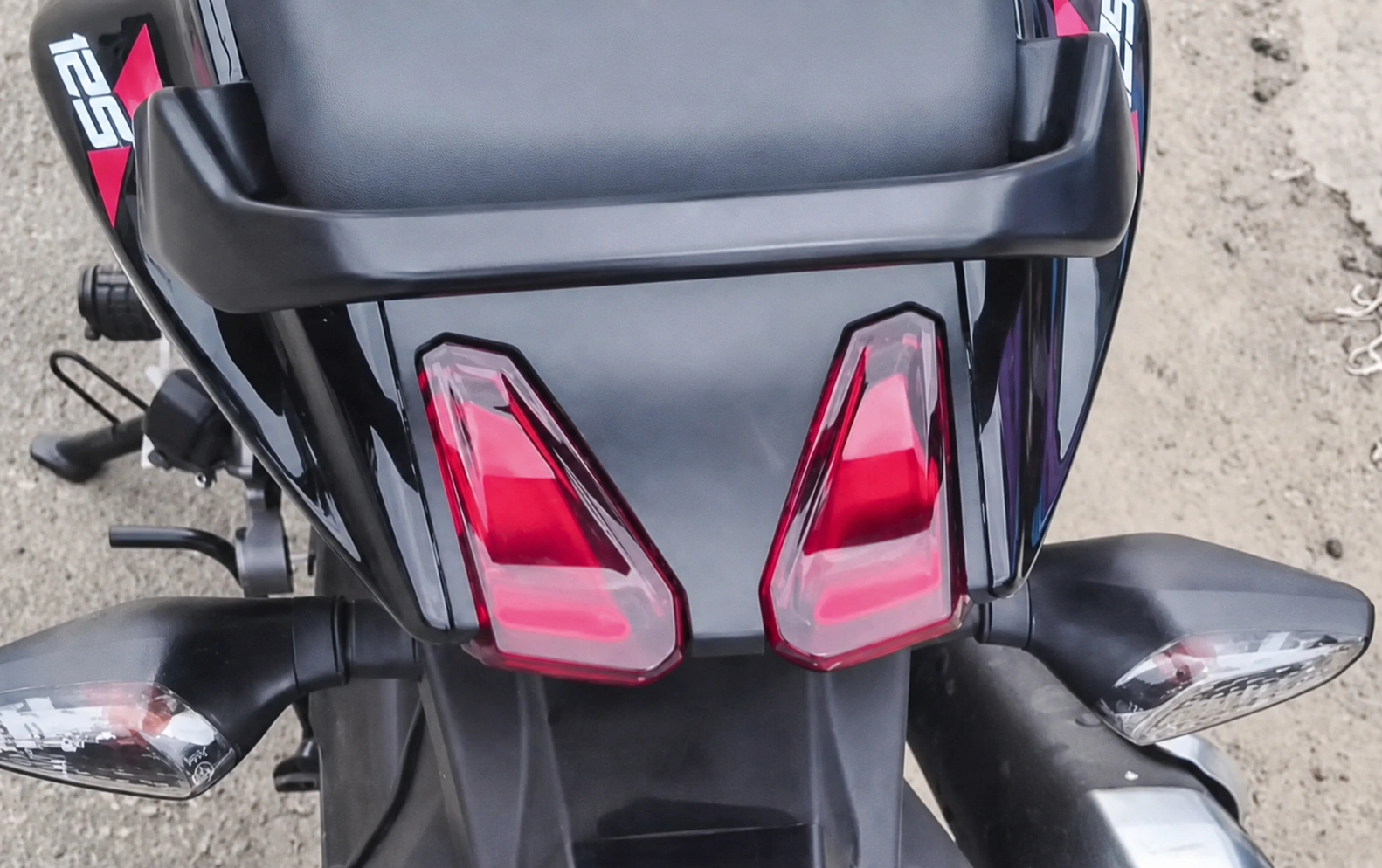
A Modern Digital Display The old semi digital analog tachometer hold nostalgia but a full negative LCD or color screen with Bluetooth turn by turn navigation and distance to empty readout is almost guarante.
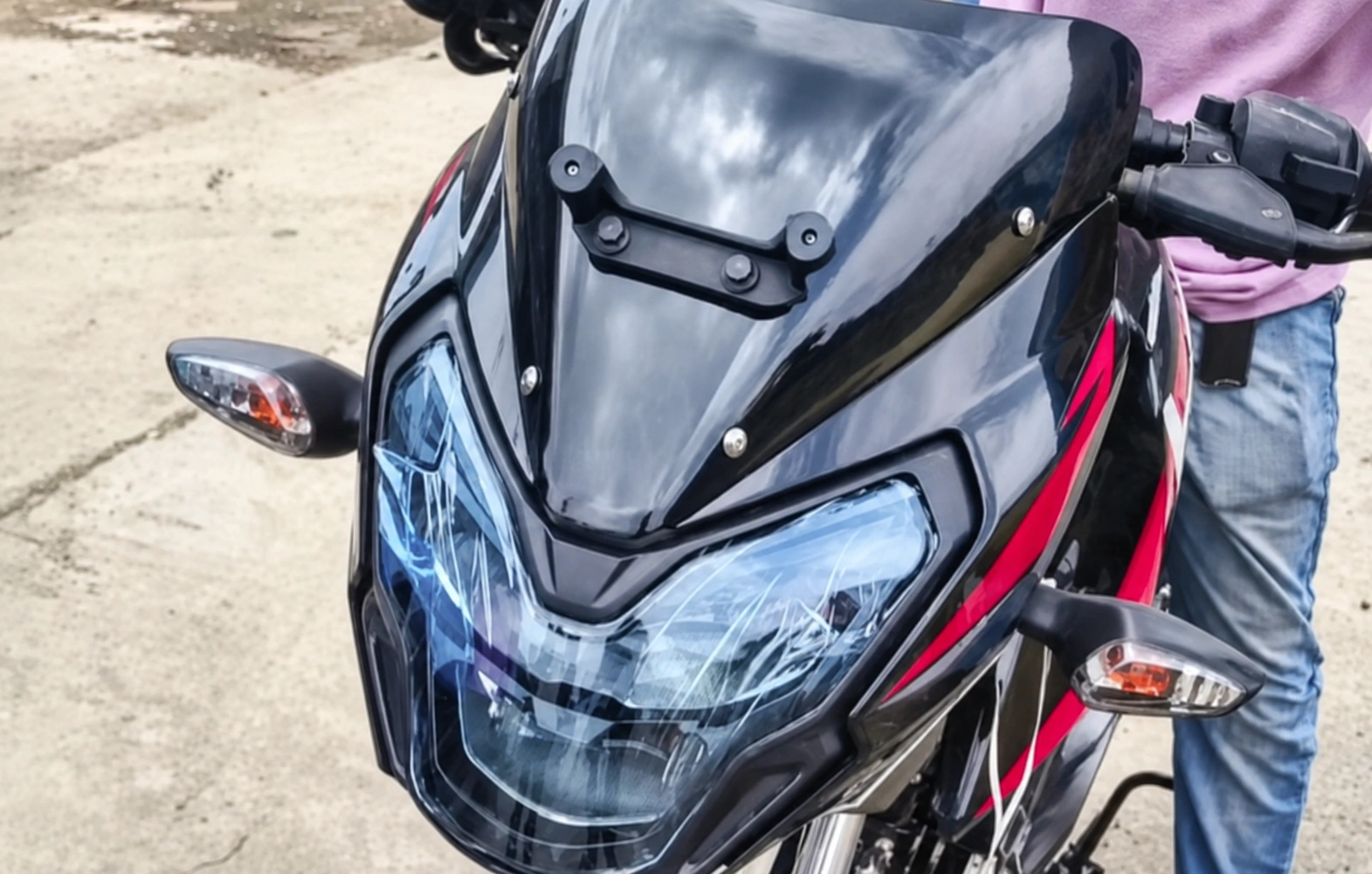
Refined LED Lighting: Upgraded projector headlights for better night visibility on unlit highways.
Better Braking Hardware: Single-channel ABS will come standard, with higher variants likely getting dual-channel protection.
Expected Pricing & Market Competitors
Where does this leave your wallet? The current base Pulsar 150 sit around the ₹1.11 Lakh mark ex showroom. With a brand new frame, fresh body work and update electronic a price hike is inevitable.
I expect the starting price anywhere between ₹1.15 Lakh and ₹1.24 Lakh ex showroom.
When it drops, it will directly fight for market share against strong contenders like:
- TVS Apache RTR 160 2V / 4V (The performance benchmark in this segment)
- Hero Xtreme 160R (Lightweight and agile)
- Honda SP160 (Smooth and reliable daily runner)
Final Verdict and What You Should Do Next
The fact that Bajaj Auto confirm launch for next generation pulsar model is big new for anyone wanting a reliable budget friendly bike with modern feature. Bajaj rarely misses the mark when update it core volume seller and this 25th anniversary launch feel like a big step forward.
My advice? If you are planning to put down a book amount on a 150cc bike this month pause your decision until August 12. Take a good look at the official spec check the real world road price and then decide which machine deserve your hard earn money.

Be the first to comment
Leave a Comment
Please log in as a subscriber to leave a comment.
Login to Comment