
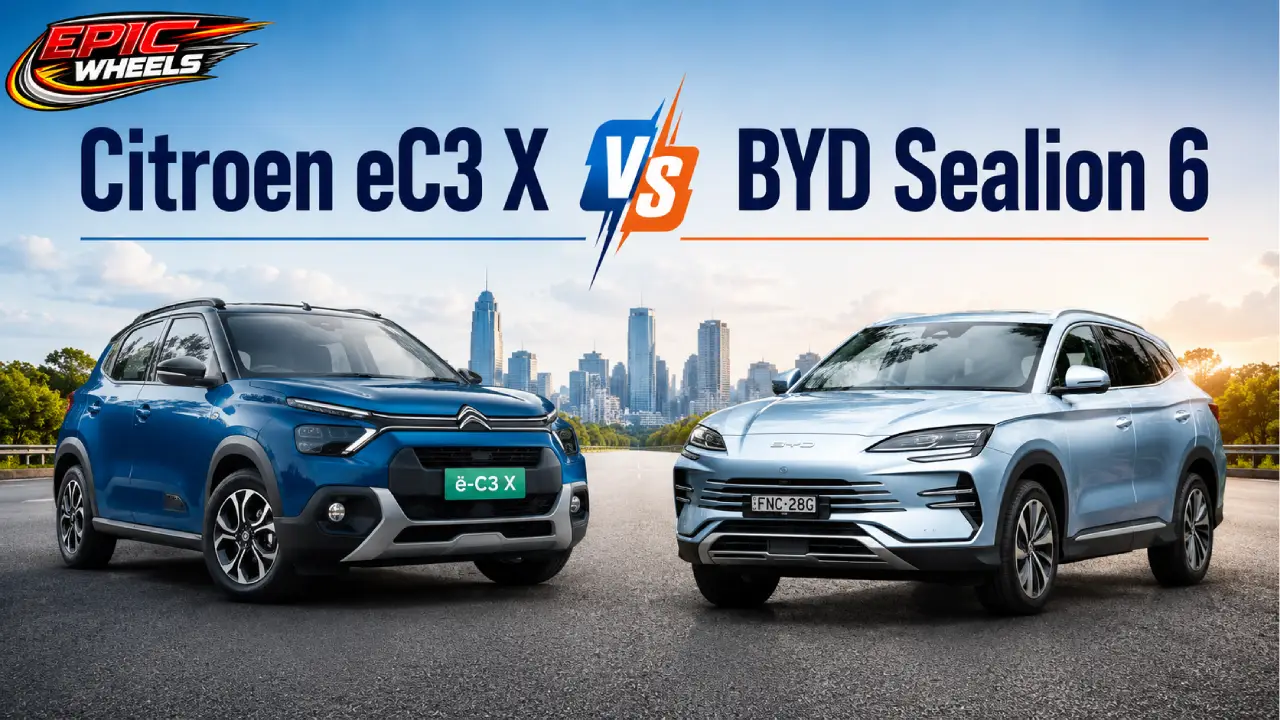
Look at the Indian car market right now. Spending your hard earn money on a regular petrol or a diesel engine car just doesn’t make any sense anymore. Everyone is looking for an eco-friendly cars but the sheer variety of tech out there can it might be quite confusing for you. Do you want to switch completely and go full electric or do you take the middle ground with a plug-in hybrid?
To break this down, I am looking at two completely different options that launched this month: the Citroen eC3 X and the BYD Sealion 6. We’ve got an entry-level electric city commuter that uses a pretty unique subscription trick to keep costs down, going against a big, feature-loaded hybrid built to swallow highway miles. Let’s find out which one actually deserves your money.
Under the Hood: EV vs Hybrid Setup
The main difference comes down to what is under the floor.
The Citroen eC3 X is a full electric car, but they sell it using something called a Battery-as-a-Service (BaaS) model. Instead of paying for the whole car upfront, you only buy the metal shell and the chassis. You do not own the battery. You’re basically leasing the battery from Citroen, paying a running fee that depends on your monthly mileage.
Then you have the BYD Sealion 6, which tackles things differently as a Plug-in Hybrid (PHEV). BYD packs a 1.5-litre petrol motor alongside a high-output electric motor and a solid battery setup. It runs completely on electricity first. The moment you out of charge in car the petrol engine kicks in seamlessly to keep you moving on the road. No more sitting around and waiting for charging station when you are running late.
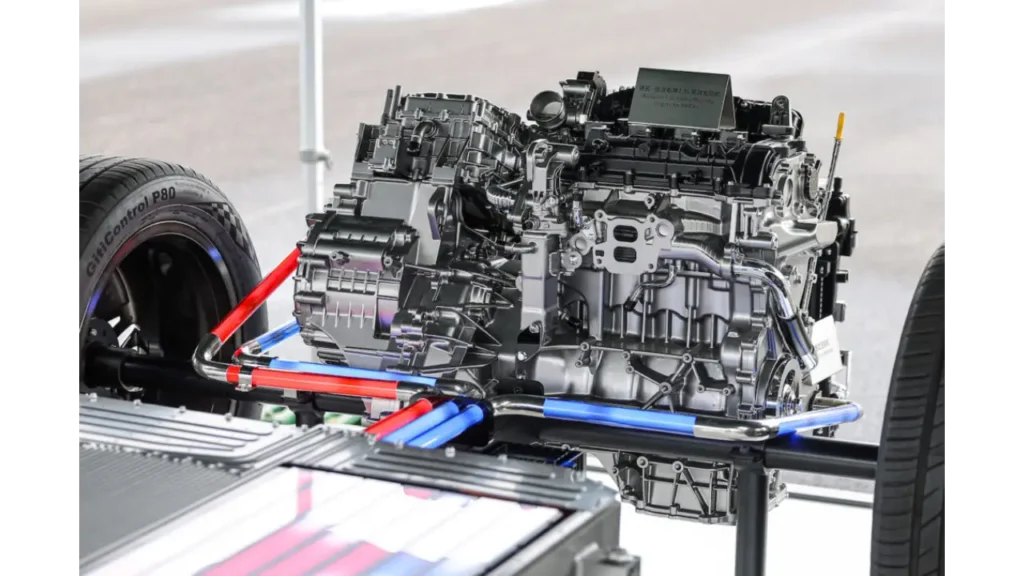
Citroen equip the eC3 X with a 29.2 kWh battery pack. Forget the optimistic brochure promises expect roughly 220 to 240 km when navigating real world city jam. On the move the electric torque is silent but quick enough to pass the slow moving traffic. When it’s empty you can either let it trickle charge overnight in your garage or spend roughly an hour at a public fast charger to hit up to 80% charging.
The BYD Sealion 6 is built for much larger driving duties. Its 18.3 kWh Blade battery gives you an honest 80 to 90 km of pure electric range. That is enough to handle almost anyone’s daily commute without using any petrol. On extended highway the petrol motor work alongside with the battery to stretch your total distance it passes the 1,000 km mark easily. With 218 horsepower under your right foot merging onto the highway or overtaking long truck is a breeze.
Cabin Quality and Features
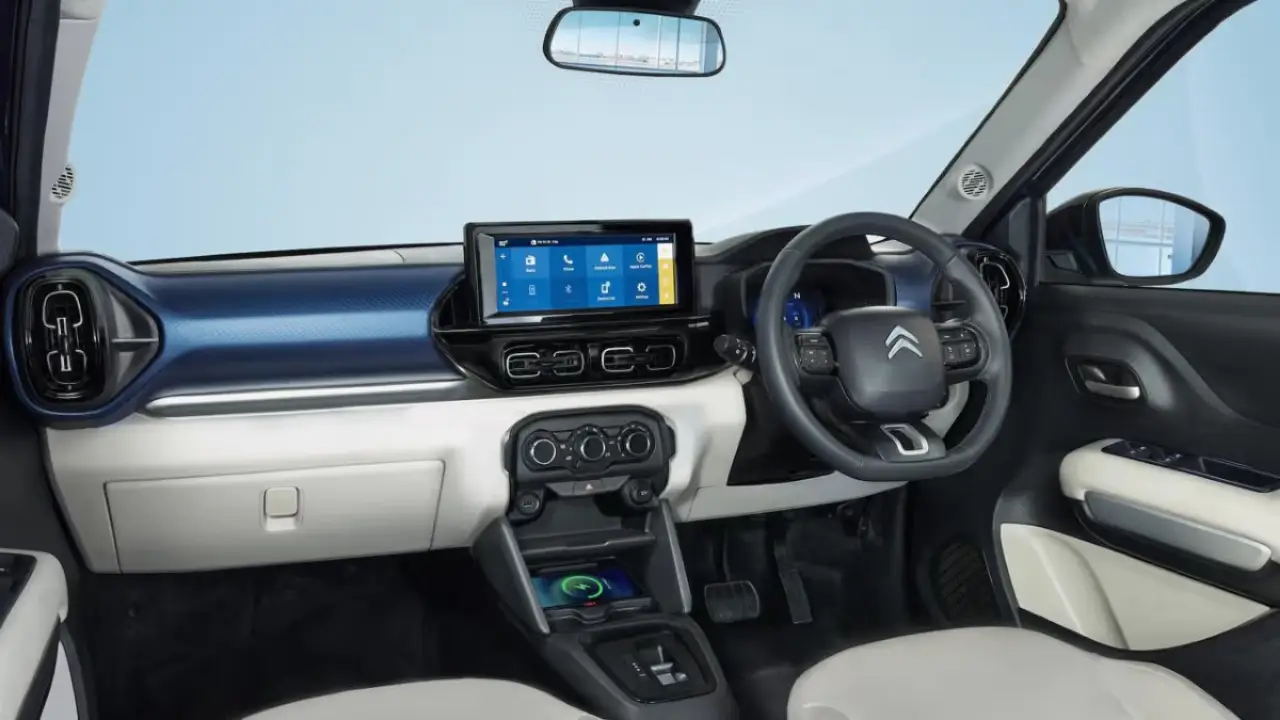
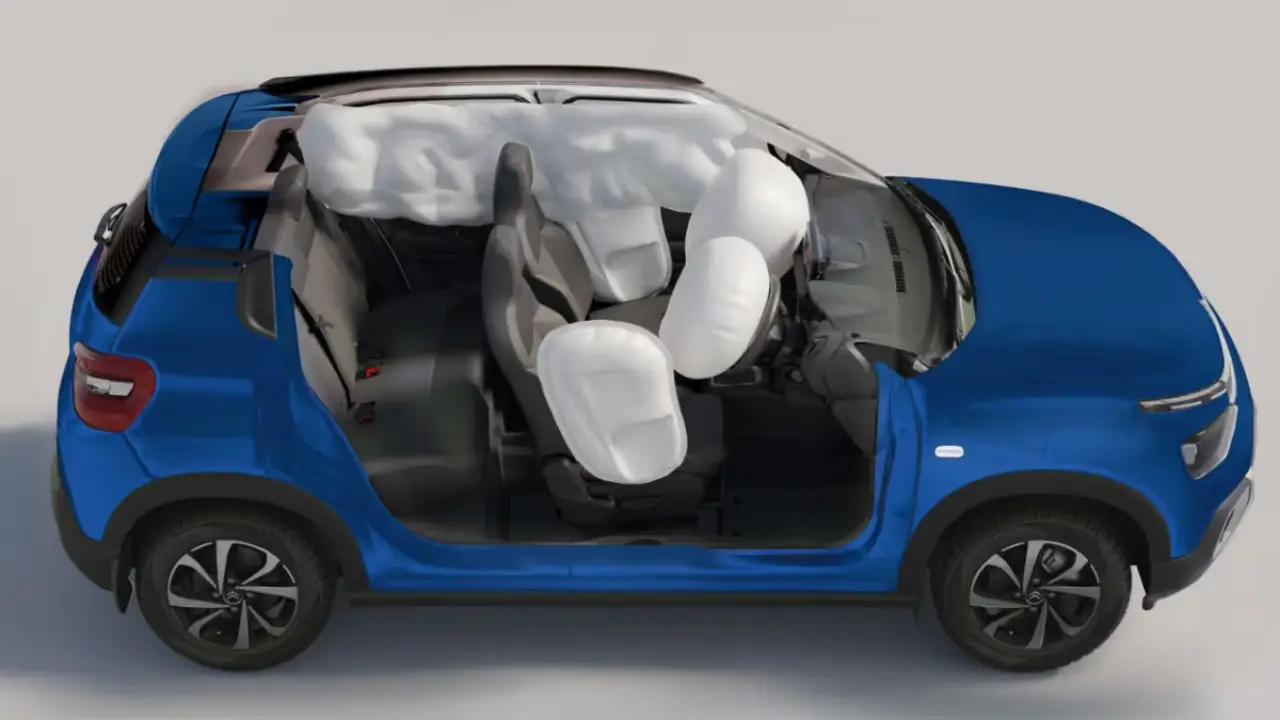
Citroen changed a few things on the eC3 X to fix complaints about older models. You now get a 7-inch digital driver’s screen, a 10.25-inch center touchscreen that connects wirelessly to Apple CarPlay and Android Auto, and a wireless phone charger. The best update is that they finally put 6 airbags inside the top variant for better safety.
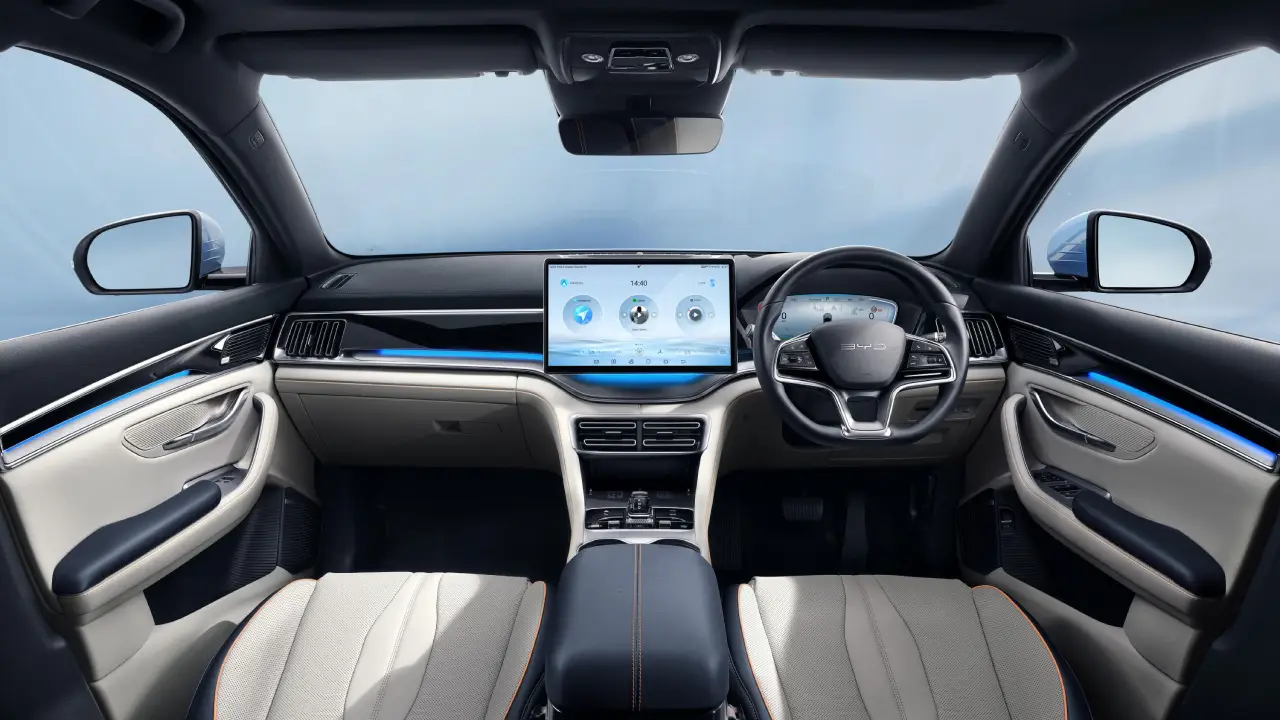
The BYD Sealion 6 is in a completely different price bracket, and it shows inside the cabin. The interior give you a luxury vibe. The centerpiece is that quirky 15.6-inch screen on the dashboard that spins between landscape and portrait mode just a touch of a button. Plus you get premium touch like a massive panoramic glass roof cooled front seat for hot summer. A punchy Infinity audio setup and a full Level 2 ADAS package alongside 7 airbags.
The Pricing and the Math
This is where the two cars separate completely based on your budget.
By decoupling the battery cost via the BaaS model you can drive the eC3 X out of the showroom for a lowest base price of just Rs. 6.89 Lakh (ex-showroom). But remember the catch you have to pay Rs. 2.26 for every single kilometer you drive as a battery rental fee. Citroen forces a minimum charge of 2,000 km per month which means you will pay at least Rs. 4,520 each month regardless of how much it sits in the garage. If you want to buy the car and the battery completely without the rental stuff, it costs between Rs. 11.99 Lakh and Rs. 13.26 Lakh if you go for the top-end variant.
The BYD Sealion 6 sits way higher up, costing between Rs. 35 Lakh and Rs. 45 Lakh. It is for those buyers who want to buy a premium high-end family SUV but don’t want to constantly get burned by massive fuel bills at the gas stations.
The Bottom Line: Which One Wins Your Vote?
Honestly, these two vehicles aren’t even aiming at the same buyer.
If you just need an easy, low-cost second car strictly for city errands and want to spend the absolute minimum amount of money upfront, get the Citroen eC3 X with the BaaS model.
If you want the main car for your family—something that feels luxurious, runs on cheap electricity for daily commutes, and can drive across India for vacations without any charging anxiety—the BYD Sealion 6 is the far better machine.

Be the first to comment
Leave a Comment
Please log in as a subscriber to leave a comment.
Login to Comment